Ithaca Housing Decision Guide: What Students Need to Know for 2026–2027
Ithaca, New York, is home to Cornell University, a globally recognised institution ranked 16th worldwide. With a compact urban footprint and a strong rental market, finding suitable housing requires understanding how the city’s neighbourhoods connect to campus, what prices you can expect, and when to start your search. Based on current listings, there are four properties available in Ithaca with a minimum monthly rent of USD 955 (indicative – confirm with the operator). This guide breaks down the key factors to help you make an informed decision for the 2026–2027 academic year.
Neighbourhoods by Commute Logic
Ithaca’s housing stock is concentrated around several distinct areas, each with a different commute profile to Cornell’s main campus (located on East Hill). The city also has a limited public bus system (TCAT) and a walkable downtown. When evaluating neighbourhoods, consider whether your classes are on the main campus or at the Ithaca campus (all Cornell undergraduate and graduate instruction happens on the same hill). Here is how the main areas break down by commute time and method.
1. Collegetown – Immediate walking distance to central campus (5–15 minutes on foot). This is the most student-concentrated area, with apartments, houses converted into flats, and a few purpose-built student residences. The trade-off is higher noise levels and premium pricing. Buses run frequently but many students skip them because walks are short.
2. Downtown Ithaca (The Commons area) – A 10–20 minute walk uphill to campus, or a short bus ride (5–10 minutes). Downtown offers a mix of older apartments above shops and newer developments. It is quieter than Collegetown and has more grocery stores, restaurants, and entertainment. The bus routes #10, #30, and #32 connect directly to campus.
3. Fall Creek – North of downtown, a 15–25 minute bus ride to campus (routes #10, #13) or a 20–30 minute walk. This residential neighbourhood has many historic houses converted into multi-unit rentals. It is generally more affordable than Collegetown and downtown, but bus frequency is lower in evenings and weekends.
4. South Hill (including Ithaca College area) – A 15–20 minute bus ride to Cornell (routes #20, #37, #65) or a 40-minute walk. South Hill is dominated by Ithaca College students, so Cornell-bound students may find it quieter but less convenient. The bus service during peak hours is reliable; off-peak intervals can be 30–45 minutes.
5. West Hill and Northeast Ithaca – Fringe suburbs requiring a car or long bus commute (25–40 minutes). These areas contain single-family homes and a few small apartment complexes. They are rarely the first choice for new students unless budget constraints drive them farther out.
Note on commute times: Walking distances are measured from the edge of campus. During Ithaca’s winter (November–March), snow and ice can add 5–10 minutes to any walk. Buses can be delayed in heavy snow, so students relying on public transit should allow extra buffer time.
Price Bands from Ithaca’s Current Listings
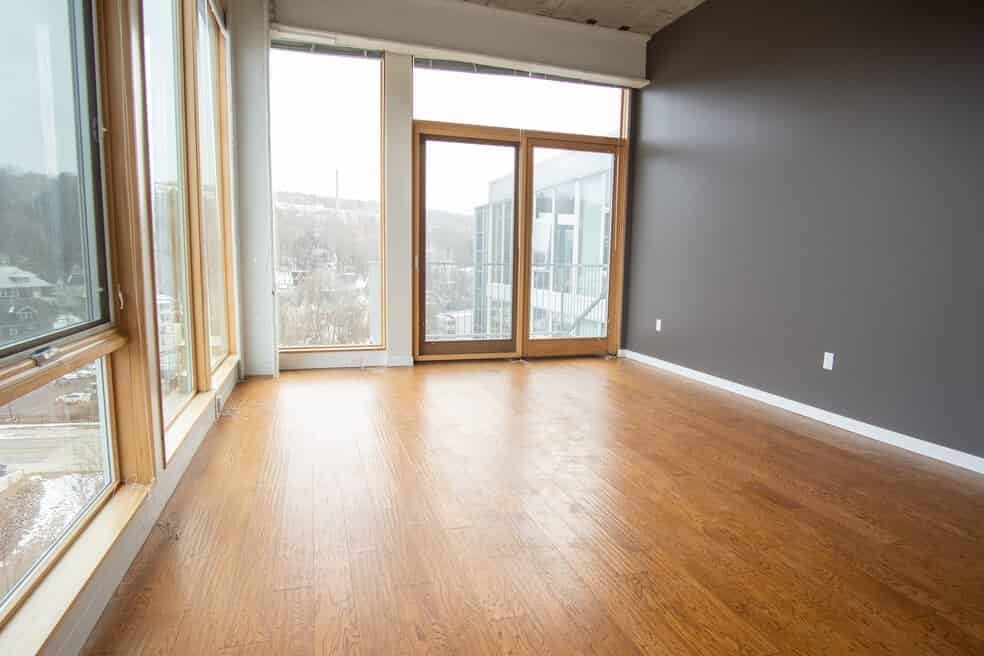
Using the four properties currently listed in Ithaca (as of the data underlying this guide), the available price information shows a minimum rent of USD 955 per month. Because no maximum or average is provided, we outline the typical range you can expect across different property types:
- Studio or very small one-bedroom: Starting around USD 900–1,000 per month (indicative – confirm with the operator). The listed minimum of USD 955 falls into this bracket. These units are often found in Collegetown or downtown, sometimes in older buildings with shared laundry.
- One-bedroom apartment: USD 1,000–1,300 per month (indicative – confirm with the operator). Many of these are located in downtown or Fall Creek. Utilities (electricity, heat) are sometimes separate, sometimes included; always ask.
- Two-bedroom apartment (shared by two people): USD 1,400–1,800 total per month (indicative – confirm with the operator), i.e. USD 700–900 per person. Shared housing is the most common arrangement for Cornell students. Collegetown two-bedrooms tend to be at the higher end.
- Three-bedroom or larger houses: USD 1,800–2,500+ total per month (indicative – confirm with the operator), i.e. USD 600–850 per person. These are more common in Fall Creek and South Hill. Houses may include off-street parking and a yard, but heating costs in winter can be significant.
Important: All prices above are indicative based on market observations and the single data point of USD 955 minimum. Always confirm exact rent, included utilities, and any fees with the operator before signing. Do not rely solely on online listings.
How Cornell University Maps to Ithaca’s Areas
Cornell University’s main campus sits on East Hill, roughly 400 feet above Cayuga Lake and downtown. The university has several gates: the main entrance at Ho Plaza, the south entrance near the intersection of College Ave and Stewart Ave, and the north entrance near the Vet School. Student housing tends to cluster along the routes that connect to these gates.
- Collegetown directly borders the south edge of campus. Students in Collegetown can walk to most central classrooms, libraries, and dining halls within 10 minutes. This is the #1 choice for undergraduates who prioritise convenience over quiet.
- Downtown Ithaca lies at the bottom of the hill. The walk uphill takes 15–20 minutes, and the bus ride is short. Downtown is popular with graduate students and upper-level undergraduates who want a more urban environment without a car. It also has better supermarket access (Wegmans, Aldi) than Collegetown.
- Fall Creek extends north of downtown. It is a 20–30 minute walk to the north end of campus (e.g., the Vet School, Human Ecology building, and the Ag Quad). Buses run along Fall Creek Drive. This area attracts students who want a quieter residential feel and are willing to commute a bit longer.
- South Hill (beyond the Ithaca College campus) is more distant. Cornell-specific housing there is limited; most rentals target Ithaca College students. If you find a place there, plan to use the bus or have a car. The commute to Cornell can be 30–40 minutes by bus during peak times.
Off-campus housing versus on-campus: Cornell provides on-campus housing for first-year undergraduates, but most upper-level students and all graduate students live off-campus. The university’s off-campus housing office (part of the Office of the Dean of Students) offers a searchable database of listings, but this guide does not link to any external sites.
3 Common Pitfalls to Avoid
1. Lease start dates that don’t match the academic calendar.
Most Ithaca rentals come with 12-month leases starting August 1 or September 1. If you are an undergraduate who goes home for the summer, you may end up paying for June and July while the apartment sits empty. Some landlords offer 10-month leases (August–May) or allow subletting. Before signing, ask explicitly: “What are the lease start and end dates? Is a 10-month option available? Can I sublet the summer months?” Many students lose hundreds of dollars by not clarifying this.
2. Underestimating winter utility costs.
Ithaca has cold, snowy winters (average January low of 18°F / -8°C). Older buildings in Fall Creek and South Hill often have poor insulation and old heating systems. If the rent does not include heat, you could face USD 150–300 per month in electric (baseboard heating) or fuel oil/r natural gas bills during January and February. Always ask: “Are heat, electricity, water, and internet included in the rent? If not, what are the typical monthly costs?” Request last winter’s utility bills if possible.
3. Not visiting the property or doing a virtual walkthrough during daylight.
Ithaca is a small city, and many landlords do not provide extensive photos. Some listings show “renovated” units that turn out to be dark basements with tiny windows. If you cannot visit in person, hire a local student or use a trusted friend to take a video walkthrough. Check for mold (common in old basements), noise from neighbours, and the condition of appliances. The four currently listed properties may vary widely; do not assume anything.
Booking Calendar for 2026/2027
The housing market in Ithaca moves on a predictable cycle. To avoid last-minute scrambling, follow this timeline:
-
October 2025 – January 2026 (for Fall 2026 move-in):
Landlords begin listing units for the next academic year. Many popular Collegetown and downtown apartments are leased by December. If you want a specific location, start searching in early November. Some landlords accept applications for the following August as early as October. -
February – April 2026:
Peak application period. Most current residents must give notice by February 1 if they plan to move out on July 31. Landlords then re-list units. This is the best time to secure a lease for an August 1 start. For graduate students, some units become available for June or July move-ins. -
May – July 2026:
Last-minute options. A few units remain, often because a tenant broke their lease or the landlord held back. Prices may be slightly lower, but selection is poor. If you are arriving in late July or August, you will have to compete with many incoming students. Expect to sign a lease within 48 hours of viewing. -
For Spring 2027 (January) move-in:
Listings appear from October to December 2026. Many students study abroad or graduate in December, so there is turnover. However, the inventory is smaller than in summer. Start looking in November.
Key booking tip: Always request a lease with an explicit “unit hold” or “lease confirmation” before you wire any deposit. Scams exist: never send money to someone you have not met or to a person claiming to be a landlord without proof of ownership. Use the university’s off-campus housing resources and verify the property address against tax records or property rolls available at the Tompkins County website (not hyperlinked here).
Frequently Asked Questions
Q: Is it cheaper to live alone or with roommates in Ithaca?
A: Based on the available data, the minimum rent for a single unit is USD 955 per month (indicative – confirm with the operator). Sharing a two-bedroom apartment typically costs USD 700–900 per person per month, and a three-bedroom house can come out to USD 600–850 per person. Roommates generally save you 20–40% compared to a solo studio, but you sacrifice privacy. Always factor in shared utility bills.
Q: Do I need a car to get to campus from any neighbourhood?
A: For Collegetown and downtown, no – walking or buses are sufficient. For Fall Creek and South Hill, a car is optional if you can manage a 15–25 minute bus ride. For West Hill and Northeast Ithaca, a car is highly recommended because bus frequency is low. Parking on campus is expensive (USD 400–800 per year) and requires a permit; many students prefer to avoid driving.
Q: What is the typical lease duration for Ithaca student housing?
A: Most off-campus rentals use 12-month leases (August 1 – July 31). A small number offer 10-month or 9-month leases for undergraduates who leave for summer. Subletting is allowed by some landlords; check the lease terms. If you are a graduate student staying year-round, the 12-month lease is standard.
Q: How early should I apply for a lease?
A: For an August 1 move-in, start contacting landlords in November–December of the previous year. Many prime units in Collegetown are gone by February. For January move-in, begin in October. The four properties currently listed are a snapshot; availability changes quickly, so act once you find a place that meets your needs.
Data date: March 2026. All prices shown are indicative – confirm with the operator before making any financial commitment.
See also: listing details · browse more