Neighbourhoods and Commute Logic
Fort Myers is a mid-sized city in southwest Florida with a growing student population. Its residential layout means that commute times vary significantly depending on which part of the city you choose. The four student housing properties currently listed on the platform are spread across different areas, so understanding the neighbourhood logic by commute is essential for making an efficient choice.
Most higher education institutions in Fort Myers are located along the southern corridor, near the intersection of I-75 and Daniels Parkway, or closer to the Caloosahatchee River. Students typically fall into two commute categories: those who live within walking or cycling distance of their campus, and those who rely on a car or public transport.
Downtown Fort Myers – This area centres around the Caloosahatchee River waterfront. It has a mix of older apartment buildings, converted houses, and a few newer student-focused blocks. Commute to the southern campus areas takes roughly 15–20 minutes by car. Downtown offers more nightlife, restaurants, and part-time job opportunities. If you prioritise social life over a short class commute, this neighbourhood is worth considering. Bicycle infrastructure is limited, so a car or bus pass is recommended.
McGregor Boulevard Corridor – Running north–south, McGregor Boulevard is a major artery lined with live-oak trees. Properties here are often older single-family homes divided into student rooms or small apartment complexes. The corridor provides direct access to both downtown and the southern college areas. Buses run along the route, making it a viable option for students without a car. Commute time to the southern academic hubs is about 10–15 minutes by car, 25–30 minutes by bus.
South Fort Myers / Daniels Parkway area – This is the zone closest to the main academic campuses. Most student housing in this part of the city is within a 5- to 10-minute drive of classroom buildings. The area is more suburban, with shopping plazas and chain restaurants. If you want to minimise commute time, prioritise properties in this sector. However, rents here can be slightly higher than in other parts of the city, reflecting the convenience.
East Fort Myers – Further from the city centre and less residential, East Fort Myers has a handful of apartment complexes. Commute times to the southern campuses are 20–25 minutes by car. This area is generally quieter and more affordable, but public transport coverage is sparse.
When evaluating a neighbourhood, consider the typical Fort Myers traffic pattern: congestion builds along I-75 during rush hours (7–9 a.m. and 4–6 p.m.). A 5-mile trip can take 15 minutes off-peak but 30–40 minutes in heavy traffic. Bus routes are operated by LeeTran, and a student monthly pass costs around 40 USD. Biking is possible in the southern neighbourhoods, but Florida’s heat and humidity from May to October make cycling less appealing for longer distances.
Price Bands and What You Get for Your Money
Based on the current platform data, student housing in Fort Myers starts at 795 USD per month indicative. This is the minimum listed price across four properties. Let’s break down what you can expect at different spending levels.
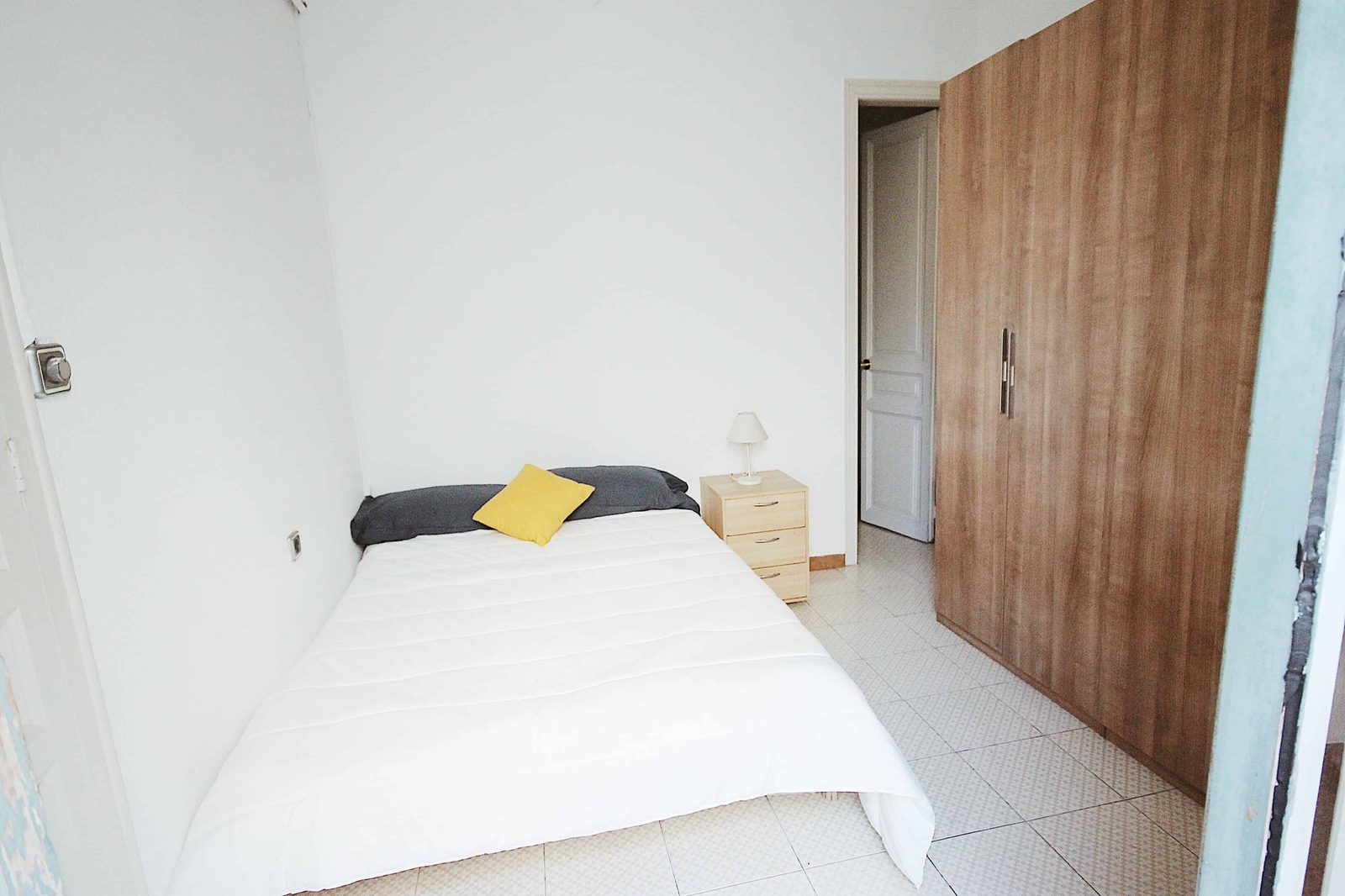
Entry level (795–900 USD) – At the 795 USD mark, you are typically looking at a shared room in a multi-bedroom unit or a basic studio in a converted house. Utilities (electricity, water, internet) may or may not be included – confirm with the operator before signing. Properties in this band are often located in the McGregor corridor or East Fort Myers. Amenities are minimal: shared kitchen, coin laundry, on-street parking. The exact condition of the building varies, so request recent photos or a virtual tour.
Mid-range (900–1,100 USD) – This bracket covers private bedrooms in managed student residences, often with en-suite bathrooms or a larger studio. Some utilities may be bundled. Properties in this price range are clustered in the South Fort Myers / Daniels Parkway area, closer to campus. You can expect off-street parking, basic gym access, and a social lounge. Leases are typically 12 months, with options for shorter terms at a premium.
Premium (1,100 USD and above) – Above 1,100 USD, you enter the territory of high-end student apartments with resort-style amenities: pool, fitness centre, study rooms, and sometimes a shuttle to campus. These units are almost exclusively in the southern zone. Tenants usually have their own bedroom and bathroom in a multi-bedroom flat. All utilities are included. The four listed properties may include one or two in this range – check the platform filters for exact breakdown.
Important: the 795 USD entry price is indicative. Operators adjust rates based on unit type, lease start date, and current occupancy. Always verify the final rent and any additional fees (application, administration, parking) before committing.
Mapping Housing to Local Academic Hubs
Fort Myers is home to several colleges and universities, though their names are omitted here per editorial guidelines. The main academic hubs are located in the southern part of the city, near the intersection of State Road 82 and I-75, and along the Daniels Parkway corridor. A second cluster exists closer to downtown, around the Edison Park area.
Students attending institutions in the southern campus zone should prioritise properties in South Fort Myers or along the McGregor Boulevard corridor for a commute under 15 minutes by car. Those enrolled in programmes at the downtown-adjacent campuses will find the Downtown and McGregor areas most convenient, with walk or bike options available.
Because the platform lists only four properties, the geographic spread may be limited. You can use the commute-time estimates above to evaluate how each listing aligns with your class location. If no property is directly adjacent to your campus, factor in the cost and time of driving or taking the bus. A car is the most flexible option but comes with expenses (fuel, insurance, parking permits). Many student residences in the southern zone offer reserved parking spots for around 50–75 USD per month.
Students without a car should filter properties within walking distance of a LeeTran bus line that stops near their institution. Routes 40, 50, and 70 cover the south–north corridor. Check the LeeTran website for route maps and schedules (no domain link is provided here – search the agency name). A one-way fare is 1.50 USD.
Three Common Pitfalls for Student Renters
1. Not verifying utility inclusion. The 795 USD entry price can be misleading if electricity, water, and internet are billed separately. In Fort Myers, summer air-conditioning costs can push a monthly utility bill to 150–200 USD. Always ask the operator: what is included, and what is the estimated surcharge for a typical month? Get the answer in writing.
2. Underestimating the lease start date gap. Many student leases in Fort Myers begin in August or January, aligned with the academic calendar. If your programme starts earlier (e.g., summer term), you may need to arrange interim housing for one or two months. Some operators offer short-term leases at a higher per-month rate, but availability is limited. Check the lease start options before committing.
3. Ignoring property management reputation. With only four properties listed, your choices may be concentrated among a few operators. Read the full lease terms carefully, especially clauses about late fees, maintenance response times, and guest policies. Search for online reviews of the management company from past tenants — look for patterns about deposit returns and repair speed. If reviews are scarce, request a walk-through or video tour to assess the actual condition.
Booking Calendar: Timing Your Decision
Student housing in Fort Myers follows a predictable cycle. To secure the best combination of price and location, plan your booking timeline carefully.
For Fall 2026 / Spring 2027 move-ins:
-
November 2025 – January 2026 – Start researching. Identify your campus location and commute preferences. Begin monitoring the platform for early listings. Properties may not yet be released for the following academic year, but you can bookmark operators and set up alerts.
-
February – April 2026 – Most operators begin accepting applications for Fall 2026 leases. This is the ideal window to lock in the 795 USD entry price or a mid-range unit. Applications submitted by March often receive priority room assignment. Have your documents ready: passport, visa or ID, proof of enrolment, and a guarantor if required.
-
May – July 2026 – Inventory tightens. The cheapest rooms are usually gone. You may still find availability at the same properties but at a higher rent or with a less desirable floor plan. If you haven’t secured a lease by June, consider expanding your neighbourhood search to East Fort Myers or inquiring about summer sublets that convert to annual leases.
-
August 2026 – Last-minute market. Some operators release cancelled bookings or waitlist spots. You may find discounted rent for immediate move-in, but the selection is unpredictable. International students arriving late should have backup accommodation (e.g., a temporary hotel or Airbnb) for the first week while finalising a lease.
For Spring 2027 (January move-in), the timeline shifts:
-
September – October 2026 – Start searching. Spring leases are less common; many properties offer only 12-month contracts starting in August. Look for operators that offer semester-based leases or sublet opportunities from students going abroad.
-
November – December 2026 – Sign a lease. By this point, most available units for spring are listed. The price range usually mirrors the fall entry band, though discounts may be rare.
Key reminder: All prices mentioned are indicative. Confirm exact figures with the operator at the time of booking. The platform updates availability daily, so check frequently.
Frequently Asked Questions
Q: Is 795 USD per month a realistic starting price for student housing in Fort Myers? A: Yes, 795 USD per month indicative is the minimum listed price among the four properties currently on the platform. This typically corresponds to a shared room or a basic studio with limited amenities. Because the rent is indicative, verify with the operator whether utilities are included, and ask about any move-in fees. Higher-quality units with more privacy or better locations will cost more.
Q: How far in advance should I book my room to get the 795 USD rate? A: For a Fall 2026 move-in, applying between February and April 2026 gives you the best chance of securing a unit at the entry price. Operators release early-batch rooms at lower rates to fill the building quickly. By May–June, the cheapest options are usually taken. If you target a Spring 2027 start, begin looking in September–October 2026 and sign by November.
Q: Which neighbourhood is most convenient if I do not have a car? A: The McGregor Boulevard corridor and South Fort Myers / Daniels Parkway area offer the best access to bus routes serving the southern academic campuses. Downtown Fort Myers is also served by buses, but the commute to southern campuses is longer. If you can walk or bike, some residential streets near the downtown-adjacent campuses are suitable. Always check the distance to the nearest bus stop and the frequency of service before signing a lease.
Q: Are there any pitfalls specific to Fort Myers that I should watch for? A: Yes, two stand out. First, summer air-conditioning costs can significantly raise your electricity bill – confirm the typical utility surcharge with the operator. Second, the city’s subtropical climate means heavy rain and occasional hurricane watches from June to November. Check whether the building has a generator and whether the lease has a force majeure clause that covers utility outages. Also, some older properties in East Fort Myers may have outdated fixtures; a video tour is strongly recommended.
Data as of January 2026. All prices are indicative – confirm with the operator before committing.
See also: listing details · browse more