Getafe Housing Decision Guide
Getafe is a city in the southern part of the Madrid metropolitan area, well connected to central Madrid by metro, train (Cercanías) and buses. With 97 student properties currently listed and a minimum price of 232 EUR per month, it is a practical option for students who need access to both the local campus and the capital. This guide covers how to choose a neighbourhood based on commute time, what price levels you can expect, how the available housing relates to university locations, common mistakes to avoid, and a timeline for booking.
Neighbourhoods Logic by Commute
Choosing a neighbourhood in Getafe depends largely on where you need to be each day. The city has a clear transport spine along the A-42 motorway and the Cercanías C-4 train line, which runs from Getafe through southern Madrid to the city centre and beyond. Here is how the main areas break down by commuting profile.
Central Getafe (around the train station and town hall) – This area has the highest density of services, shops, and public transport. The Cercanías station “Getafe Central” provides direct trains to Atocha (central Madrid) in about 20 minutes. Walking distance to the local university campus is usually under 15 minutes. Properties here tend to be older apartment blocks, with many shared flats. Rent is generally in the mid-range for Getafe.
Los Molinos / Sector III – These are newer residential neighbourhoods to the east and southeast of the centre. They are quieter, with more green spaces, but rely on bus connections to the train station or metro. Commuting to the university campus requires a bus ride (15-20 minutes) or a longer walk (30-40 minutes). For students who need to reach central Madrid, the metro line (MetroSur) connects to other lines, but the journey is longer than from Central Getafe. Properties here are newer and often slightly cheaper.
Peri-urban areas (northwest, near the M-50 ring road) – These zones are more residential and less walkable. Buses are the main transport option. Commute times to the campus can be 30-40 minutes by bus, and to central Madrid around 45-60 minutes. Accommodation here is typically in low-rise apartment blocks or small houses. Prices may be the lowest in Getafe, but availability is lower.
Near the Polígono Industrial (southwest) – This is an industrial area with some older housing stock. It is not a typical student area because it is far from the campus and public transport is sparse. Only consider this if you have a car or a very specific schedule. Prices can be low, but the trade-off in time and convenience is significant.
Summary of commute logic – If you are studying at the local university, prioritise Central Getafe or Los Molinos for walking or a short bus ride. If your classes are in central Madrid (e.g., at another campus), you need to be close to the C-4 train line – Central Getafe or the “Getafe Industrial” station area (further south) offer direct trains. Avoid areas that only have infrequent buses, because the transfer to the train adds unpredictability.
Price Bands
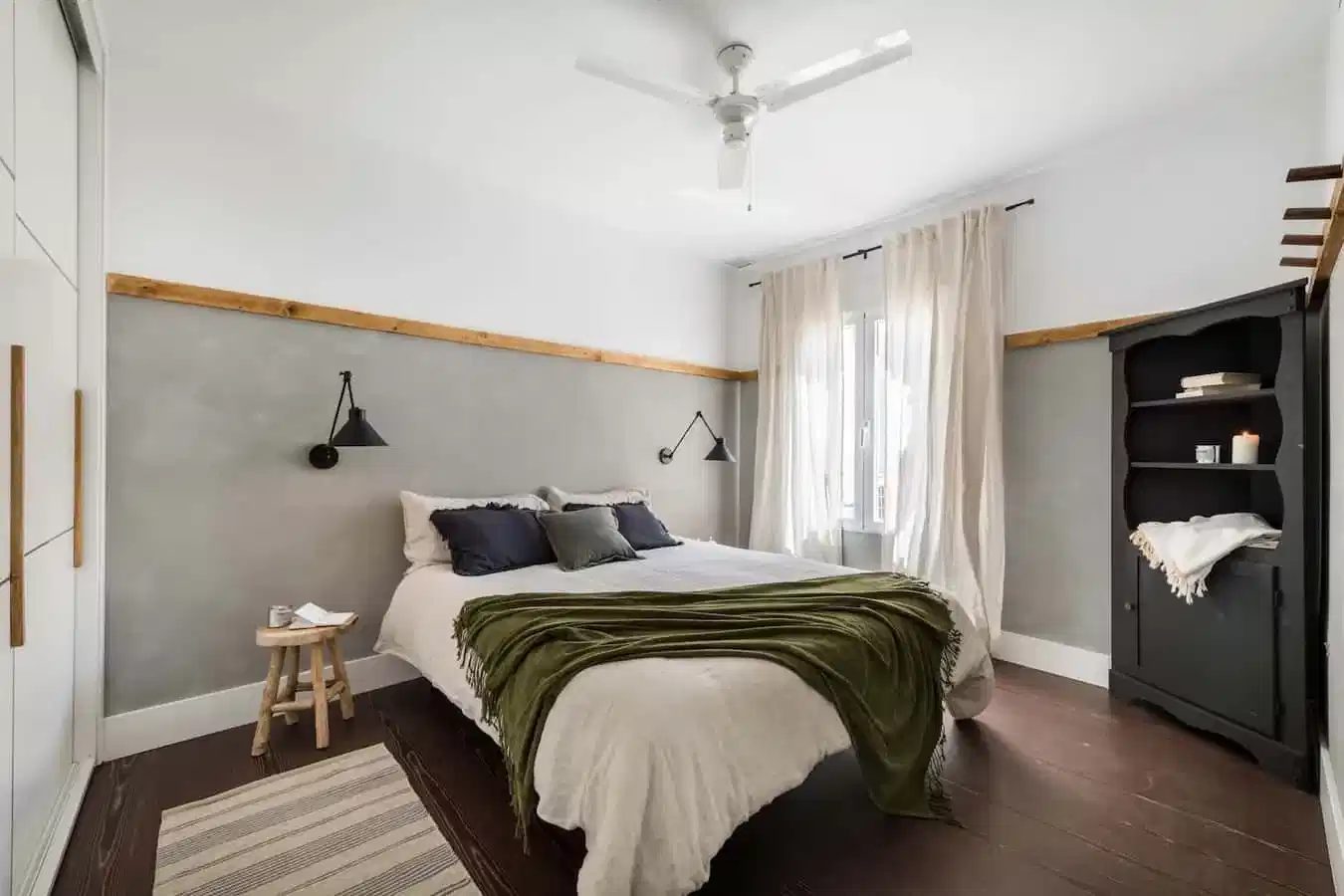
The data shows a minimum price of 232 EUR per month for a room or flat in Getafe. With 97 properties listed, there is a range of options, but no detailed breakdown by quartile is available. Based on the minimum and typical market patterns, you can expect the following indicative price categories. All prices are indicative – confirm with the operator.
Budget (around 232–320 EUR per month) – These are usually shared flats with multiple bedrooms, often in older buildings without lifts. They may be further from the train station or university, or have smaller rooms. Expect basic furnishings and sometimes shared bathroom with more than two other people.
Mid-range (approx. 320–450 EUR per month) – This is the most common bracket. You can find a room in a shared flat or a small studio in Central Getafe or Los Molinos. Properties often have a lift, double glazing, and a larger private room. Some all-inclusive bills may be offered. Many listings at this level are within 20 minutes walking distance of the university.
Upper range (above 450 EUR per month) – These are larger studios or one-bedroom apartments, often newly renovated or in prime locations near the train station. Bills are usually included. If you are splitting with a partner, this range can give you a whole apartment. Some of these listings may be short-term or target professionals.
Because the dataset only provides a minimum price and property count, you cannot assume the average price. You should browse listings directly and filter by your budget. The 232 EUR figure is the lowest current listing; prices can go up to 550 EUR or more for premium units.
Universities and Areas
The property data for Getafe does not specify university names. However, the city hosts a major university campus on the eastern side of the municipality, adjacent to the A-42. The campus is near the intersection of A-42 and M-50, accessible by foot from Los Molinos and by bus from the centre. Most student housing is concentrated within a 2 km radius of this campus, particularly in the neighbourhoods of Central Getafe and Los Molinos.
If you are studying at any institution in central Madrid, you will need to factor in the Cercanías commute. The C-4 line runs through Getafe with stations at “Getafe Centro”, “Getafe Industrial”, and “Parla” (further south). The journey to Atocha is about 20 minutes, and to Sol (centre) about 25–30 minutes. Therefore, the best location is within 1 km of Getafe Centro station.
For students attending other campuses in the southern Madrid area (e.g., Alcorcón, Leganés, or Fuenlabrada), Getafe is well connected via MetroSur (line 12). The Los Molinos area has a MetroSur station (“Los Espartales” or “Getafe”) which links to these municipalities in 15–30 minutes.
Because the data does not list specific universities, you should confirm your institution’s address and then filter properties on the platform by location using the map view. Many listings near the campus are not explicitly marked as student housing, so checking the distance is essential.
3 Pitfalls to Avoid
1. Overlooking the train schedule and zone – The Cercanías C-4 line has varying frequencies depending on time of day. Outside peak hours, trains run every 15–30 minutes. Also, the zone system in Madrid means that Getafe is in zone B2, so a monthly transport pass costs more than a zone A pass. Some students underestimate the cost and time of commuting, especially if they need to reach a campus in Madrid multiple times a day. Always check the train timetable and consider getting a combined transport pass.
2. Signing a lease before verifying the property in person or via video – Given that 97 properties are available, you may be tempted to book from abroad. However, many rooms in Getafe are in older buildings with common issues like outdated wiring, poor soundproofing, or lack of heating. Always ask for a live video tour, check the energy certificate if available, and verify that the landlord or platform allows you to view the room before paying a deposit. A common complaint in student forums is that rooms shown in photos are not the actual one available.
3. Ignoring hidden costs like utility bills and transport passes – The 232 EUR minimum price may not include utilities. In shared flats, bills are often split equally, and in winter, heating (electric or gas) can add 50–80 EUR per month per person. Additionally, a monthly transport pass for zone B2 costs around 50 EUR (2025/2026 rates). If you need to travel to Madrid daily, your total monthly cost can be 300 EUR or more even with a cheap room. Always ask for a clear breakdown of included costs before agreeing.
Booking Calendar
For moves starting between September 2026 and February 2027, the timeline below provides a realistic schedule based on the Getafe rental market. All dates are indicative.
-
January–April 2026 – Start your search. 97 properties are listed, but early planners often find better rooms at lower prices. Create alerts on the platform for your preferred budget and location. If you are applying for university in Spain, you can begin contacting landlords to express interest for a September move-in, though many will not commit until May or June.
-
May–June 2026 – Peak viewing season for September. New listings appear as current students leave. You should schedule video calls for properties you like. Expect competition for flats near the train station and campus. Have your documentation ready (passport, proof of enrolment or student ID, income guarantee if needed).
-
July–August 2026 – Last-minute bookings. Many students finalise their accommodation in this window. You may still find options, but the best-priced ones may be taken. This is also when prices tend to be highest. If you are arriving in September, try to secure a lease by mid-August.
-
September 2026 – Move-in month. Some properties allow check-in from September 1. Be prepared to pay the first month plus a deposit (usually one month). If you have not booked by late September, you may have to settle for a temporary option or a higher rent.
-
October–December 2026 – For a February 2027 semester start, start looking in October. The market is quieter than in summer, but you can find good deals. Many landlords are willing to offer shorter contracts (6 months) during this period.
-
January 2027 – Final month for February move-ins. Bookings should be made by mid-January to avoid last-minute stress.
Note: The data provided is current at the time of writing. Prices and availability change weekly. Always confirm with the operator before any payment.
Frequently Asked Questions
Q1: Is 232 EUR per month a realistic budget for a room in Getafe?
Yes, 232 EUR is the lowest recorded price in our dataset. However, that usually applies to a small room in a shared flat with multiple occupants, in a building that may be farther from transport or the university. Confirm what is included (bills, Wi-Fi, cleaning). Most students in Getafe pay between 280 and 400 EUR per month for a good room.
Q2: How do I commute from Getafe to central Madrid?
The most efficient way is the Cercanías C-4 train from Getafe Central or Getafe Industrial stations to Atocha (20 minutes). From Atocha you can connect to the metro or continue to Sol. Alternatively, using MetroSur (line 12) you can reach the Madrid metro system at the “Puerta del Sur” station, but this takes longer. A monthly transport pass for zone B2 is required.
Q3: Are there any student residence halls in Getafe, or are all properties private rentals?
The 97 properties in our data include private apartments, shared flats, and possibly some small residential buildings. Formal student residence halls (colegios mayores) are more common in central Madrid. In Getafe, most students rent from private landlords. You can filter the platform by property type to see if any purpose-built student housing exists.
Q4: Should I book a property before arriving or wait until I see it in person?
For Getafe, we recommend booking a short-term option (hostel or temporary rental) for your first week and then viewing flats in person. This reduces the risk of a bad match. If you must book from abroad, use the platform’s video tour feature and verify that the landlord accepts a 24-hour cooling-off period after check-in (some platforms offer this). Never pay a deposit without a signed contract.
Data sourced from platform listings as of 2026. Prices are indicative – confirm with the operator. Property count: 97. Minimum price: 232 EUR (Getafe).
See also: listing details · browse more