Understanding Reims Student Housing Landscape
Reims is a mid-sized city in northeastern France, best known for its champagne houses and UNESCO-listed cathedral. It is also a popular student destination, hosting several higher education institutions. However, the available housing data for this guide is limited: only one student property unit is recorded, with a starting price of 550 EUR per month (indicative — confirm with the operator). This scarcity reflects a broader trend in Reims: student accommodation supply is tight, and demand regularly exceeds availability, especially near the start of the academic year.
The single unit serves as a benchmark for the entry-level price point in the city. Studios and one-bedroom apartments in shared buildings typically begin in this range. For comparison, private market rents for a studio in the city centre often start around 400–500 EUR, but the inclusion of utilities, internet, and services in purpose-built student accommodation can push the total monthly cost higher. Because the dataset contains no additional properties or university mappings, this guide draws on general knowledge of renting in Reims to help you navigate your housing search. Always verify current listings and prices directly with accommodation providers.
Neighbourhood Logic by Commute
In a compact city like Reims, most student areas are within a 20-minute walk or a short bus ride from the main campuses. While the dataset does not specify the location of the single property, typical student-friendly neighbourhoods include:
- Centre Ville (City Centre): Close to the cathedral, shops, and restaurants. Many university buildings are scattered here or within walking distance. Rents tend to be slightly higher, but you save on transport.
- Quartier de la Gare (Train Station Area): Near the Reims-Centre station, this area has good bus connections to the university campuses on the western edge of the city. It is also convenient for students who travel to Paris (45 minutes by TGV).
- Croix-Rouge / Orgeval: Residential zones to the north and east of the centre. They are quieter and often popular with students looking for shared flats or lower rents. Bus lines run frequently to the university precinct.
Because the only listed property is at 550 EUR, you can assume it falls into the lower-to-mid range of the Reims market. That price likely corresponds to a studio or a room in a purpose-built residence. When choosing a neighbourhood, factor in your campus location. Without a specific university mapping in the data, you should check your institution’s address and map out the bus or tram routes. The Reims public transport network (Citura) is reliable and student passes are affordable.
Price Bands and What You Get
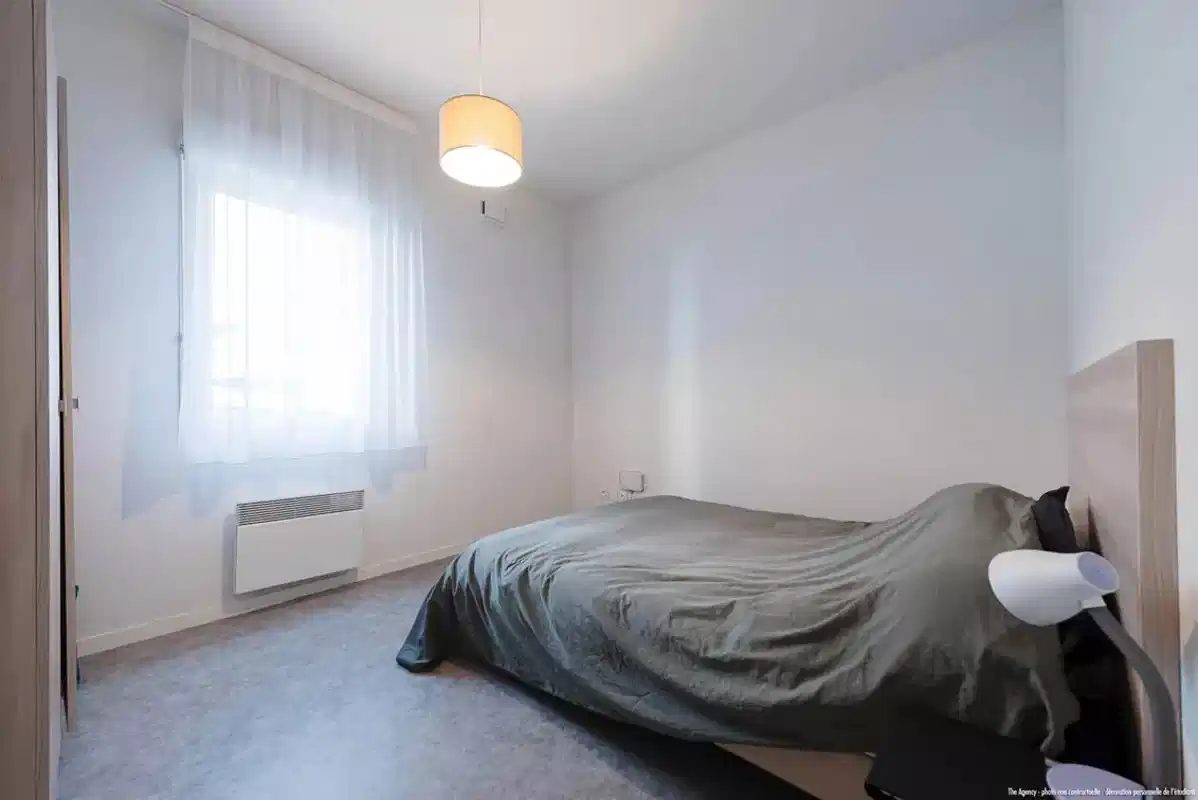
The dataset provides a single price point: 550 EUR per month (indicative — confirm with the operator). This can be taken as a baseline for entry-level student accommodation. In Reims, typical price bands for student housing (based on general market knowledge, not the dataset) are:
- Shared flat (colocation): 300–450 EUR per person per month, including utilities. This is common among French students but less available through international platforms.
- Private studio: 400–600 EUR per month, depending on location and condition. The 550 EUR unit falls in this range.
- Purpose-built student residence: 450–700 EUR per month for a furnished studio, often with included utilities and services like laundry and wifi.
At 550 EUR, you can expect a fully furnished studio (approximately 18–25 m²) with a kitchenette and private bathroom. The residence may offer common areas, bike storage, and 24/7 security. Because only one unit is recorded, it is critical to contact the operator early to confirm availability and whether the price includes charges such as electricity, water, and heating. Many residences charge a separate monthly fee for utilities (estimated 40–80 EUR). Always ask for a complete breakdown before signing.
If you find the single property listed does not suit your needs, expand your search to local real estate websites (not naming any) or consider a shared flat. The city’s student population means there is a steady turnover of rental contracts, but you need to act quickly — most leases begin in September and are signed by May or June.
Mapping Universities to Areas
The data for Reims contains an empty universities array. This means no specific institutions are listed in the information used for this guide. In practice, Reims is home to several higher education organisations, including the University of Reims Champagne-Ardenne (URCA) with multiple campuses — the main one at Croix-Rouge (Campus Moulin de la Housse) and a city-centre campus for law and economics. There are also business schools, engineering schools, and art institutions.
Because the dataset does not provide a mapping, you must research your campus location independently. General advice:
- If your campus is at Moulin de la Housse (west of the centre), the neighbourhoods near the tram line (line A or B) are most convenient. The city centre is still accessible by tram (15 minutes).
- If your classes are in the centre (e.g., law faculty near the cathedral), any central neighbourhood within walking distance is ideal.
- If you study at a business school located near the Parc de la Champagne or the Technopôle, the eastern and southern districts (such as Bezannes) are closer but have fewer housing options and higher rents.
Without an official mapping, use your acceptance letter to determine the exact address and then cross-reference with the Reims tram and bus map. The single property at 550 EUR may or may not be near your campus — you will need to confirm its location directly with the operator.
Three Common Pitfalls When Renting in Reims
1. Underestimating the need for early booking
With only one unit recorded in this dataset and a city that attracts thousands of students annually, the window to secure housing is narrow. Many units are reserved by February for a September move-in. Waiting until the summer can leave you with very few options, often at higher prices or in less convenient locations. Start your search at least six months in advance. If the single listed property is already taken, you may need to look for private rentals or shared flats, which require additional paperwork and time.
2. Overlooking the guarantee and deposit requirements
French landlords typically require a guarantee (garant) — a person or organisation that agrees to pay rent if you default. For international students, this can be difficult unless you use a service like Visale (a free state-backed guarantee) or a financial institution. Additionally, the deposit (dépôt de garantie) is usually one month’s rent, and the landlord may ask for proof of income or a bank statement. Have these documents ready before you apply. The single property operator may have its own guarantee process — ask upfront.
3. Misunderstanding contract terms and notice periods
Student leases in France often follow the standard “lease for a student” (bail étudiant) with a minimum term of 9 or 12 months. If you plan to leave early, you must give notice (préavis) of one month (reduced from three months for students). Some private residences require a full year’s commitment. Check the contract for clauses about early departure, subletting, and utility charges. If the language is French, request an English translation or have a trusted person review it. The dataset does not include contract details, so always confirm these terms in writing.
Booking Calendar for 2026/2027
Planning your housing search well in advance is essential in Reims. Below is a timeline based on typical academic cycles. Specific dates can vary by operator, so confirm with each provider.
- October–December 2025: Begin identifying potential properties. For the single unit in this dataset, note the starting price of 550 EUR (indicative) and bookmark the operator’s page. Research general rental prices in Reims to set expectations.
- January–February 2026: Many student residences open applications for the 2026–2027 academic year. Submit inquiries and prepare your application documents: passport or ID, student acceptance letter, proof of financial resources, and guarantee certificate (e.g., Visale). Contact the operator of the listed property to confirm availability and ask about waiting lists.
- March–April 2026: If you have secured a property, sign the lease and pay the deposit. For the single unit, if it is no longer available, expand to other residences or private rentals. Visit in person if possible, or request a virtual tour. Ensure the lease start date aligns with your move-in (usually September).
- May–June 2026: Finalise contracts and arrange utilities if they are not included. For the 550 EUR unit, confirm whether the price is all-inclusive. If you need a guarantee, complete the process early (Visale applications can take up to three weeks).
- August–September 2026: Move in. Inspect the unit with the operator or landlord, note any damages, and ensure you have a signed inventory (état des lieux). Keep a copy. If you are arriving from abroad, confirm check-in times and key collection procedures.
- For the 2027–2028 academic year: The same timeline applies, shifting everything by one year (e.g., start research in October 2026). Because there is only one recorded unit, anticipate that it may change or be withdrawn at any time.
Frequently Asked Questions
1. How much does student housing in Reims typically cost?
The only price recorded in the data is 550 EUR per month (indicative — confirm with the operator). Based on general leasing patterns in Reims, studios in purpose-built residences range from 450 to 700 EUR. Shared flats can be cheaper (300–450 EUR per person), but they are less commonly listed on international platforms. Always request a detailed price breakdown, including utilities, internet, and any service charges.
2. Is it safe to rent from a listing without visiting the property?
It can be, provided you take precautions. Ask the operator for a recent video tour, high-resolution photos, and a floor plan. Request feedback from current or past tenants if possible (the data does not include reviews, so you may need to search independent forums). Avoid wiring deposits before signing a formal lease and verifying the landlord’s identity. Official student residences often have a standard trustworthy process, but remain cautious.
3. What documents do I need to apply for student accommodation in Reims?
Typically, you will need:
- Valid passport or identity card
- Student visa or residence permit (if applicable)
- Official enrollment or acceptance letter from your institution
- Proof of sufficient funds (bank statements, scholarship letter, or sponsor letter)
- A guarantee (garant) — either a person residing in France or a state-guarantee service like Visale
- Completed application form from the accommodation provider
Each operator may have additional requirements. Ask well in advance.
4. Can I cancel my booking if my study plans change?
Cancellation policies vary by operator and contract type. Some student residences offer a “cooling-off” period (usually 7–10 days after signing) during which you can cancel without penalty. After that, you may lose your deposit or be liable for part of the rent. Shared flat agreements often require a one-month notice. The dataset does not include cancellation policies for the single property, so you must ask the operator directly before signing. Do not assume you can cancel later without cost.
Data referenced in this guide is indicative and based on listings available as of early 2026. Confirm all prices, availability, and policies directly with the accommodation operator. No specific universities are listed in the source data; independently verify your campus location.
See also: listing details · browse more