Housing Near Pontifícia Universidade Católica do Rio de Janeiro (PUC-Rio): A Student’s Guide
Finding suitable accommodation is one of the most important decisions for any student planning to study at Pontifícia Universidade Católica do Rio de Janeiro (PUC-Rio). Located in the leafy Gávea neighbourhood of Rio de Janeiro, the university’s campus offers a unique blend of urban convenience and natural beauty. This guide draws on campus reviews, city context, and practical considerations to help you evaluate housing options. All prices mentioned are indicative — confirm with the operator before committing.
Campus Reviews: What Students Say
PUC-Rio consistently receives strong feedback from students. On Google, it holds a rating of 4.7 out of 5, based on 1,171 reviews. The atmosphere, campus setting, and academic quality are frequently praised.
One reviewer, Manuella Vanatko, noted:
“PUC is a very beautiful university, especially if you go for a walk along the little houses on the back of the university.. there are many trees, beautiful birds and a river that runs through the place. A fresh and happy atmosphere plus a great and complete library.”
Benjamin Ziskoven, who studied at PUC-Rio for an exchange semester, highlighted the practical Portuguese classes and the need to adapt to local ways:
“I have studied here for an exchange semester abroad, as part of my BSc in International Business Administration. The Portuguese classes are practically oriented and of a high level. Sometimes things work last minute, but if you can adapt to the Brazilian way, you will see that they are some of the m”
Sidnei Cardoso, an alumnus, added:
“My alma mater. The place is also very beautiful, inside a tropical forest with a brook (Rio da Rainha) running through the campus.”
These reviews underline the importance of choosing accommodation that allows you to fully experience the campus environment — whether that means living close enough to enjoy daily walks through the gardens or having easy access to the library and study spaces.
City Context: Rio de Janeiro and Gávea
PUC-Rio is situated in Gávea, a residential neighbourhood in the South Zone of Rio de Janeiro. The address is R. Marquês de São Vicente, 225, Gávea. Gávea is known for its tree-lined streets, mix of apartments and houses, and proximity to the Jardim Botânico and the Lagoa Rodrigo de Freitas. It is a relatively safe and desirable area, popular with both locals and students.
Rio de Janeiro itself is a large, vibrant city with distinct neighbourhoods. The South Zone (Zona Sul) includes Copacabana, Ipanema, Leblon, and Gávea, and is generally considered the most convenient for PUC-Rio students. Housing prices in this zone tend to be higher than in other parts of the city, but the convenience and safety are often worth the extra cost for students who prioritise walking distance or short commutes.
The university campus is well served by public transport, including buses and the metro (though the nearest metro station is a bit of a walk or short bus ride away). Many students also use ride-hailing services or bicycles for shorter trips.
Budget Bands for Student Housing
Student housing costs in Rio de Janeiro vary widely depending on location, property type, and sharing arrangements. Below are general categories to help you think about your budget. All amounts are indicative — confirm with the operator.
- Low budget (shared room or student residence): Shared apartments or dedicated student residences in neighbourhoods like Botafogo, Flamengo, or Copacabana can be more affordable. Expect shared rooms or simple private rooms in older buildings. Many students share a flat with two or three roommates to reduce costs. Indicative monthly prices for a shared room can start in the lower range, but you must verify current rates.
- Mid budget (private room or studio): A private room in a shared apartment or a small studio (kitchenette) in Gávea, Leblon, or Ipanema will cost more. These options offer more privacy and are often closer to campus. Indicative monthly rents for a studio in Gávea may be in a mid-to-upper range; confirm with local operators.
- High budget (one-bedroom apartment or luxury shared flat): Fully independent apartments in prime locations near the university, especially with modern amenities and security, command the highest rents. These are typically chosen by postgraduate students or those with larger budgets. Indicative monthly rents for a one-bedroom apartment in Gávea can be significantly higher; always confirm the exact amount.
Because prices fluctuate with demand and season (especially around the start of the academic year in February/March or August), it is essential to check multiple sources and negotiate where possible. Many students find their housing through online platforms, Facebook groups for PUC-Rio students, or local real estate agencies.
Walk vs Transit: Finding the Right Balance
One of the key trade-offs when choosing housing near PUC-Rio is whether to prioritise walking distance or accept a longer commute for lower rent.
Walking distance (Gávea, parts of Leblon and Jardim Botânico)
Living within a 10–20 minute walk of campus means you can easily attend classes, use the library, and participate in campus activities without relying on buses or cars. The campus itself is described as beautiful — a walk through the wooded area and along the little houses at the back can be part of your daily routine. However, rents in these immediate neighbourhoods are generally higher. Availability of affordable rooms can be limited, so you may need to join waiting lists or start your search early.
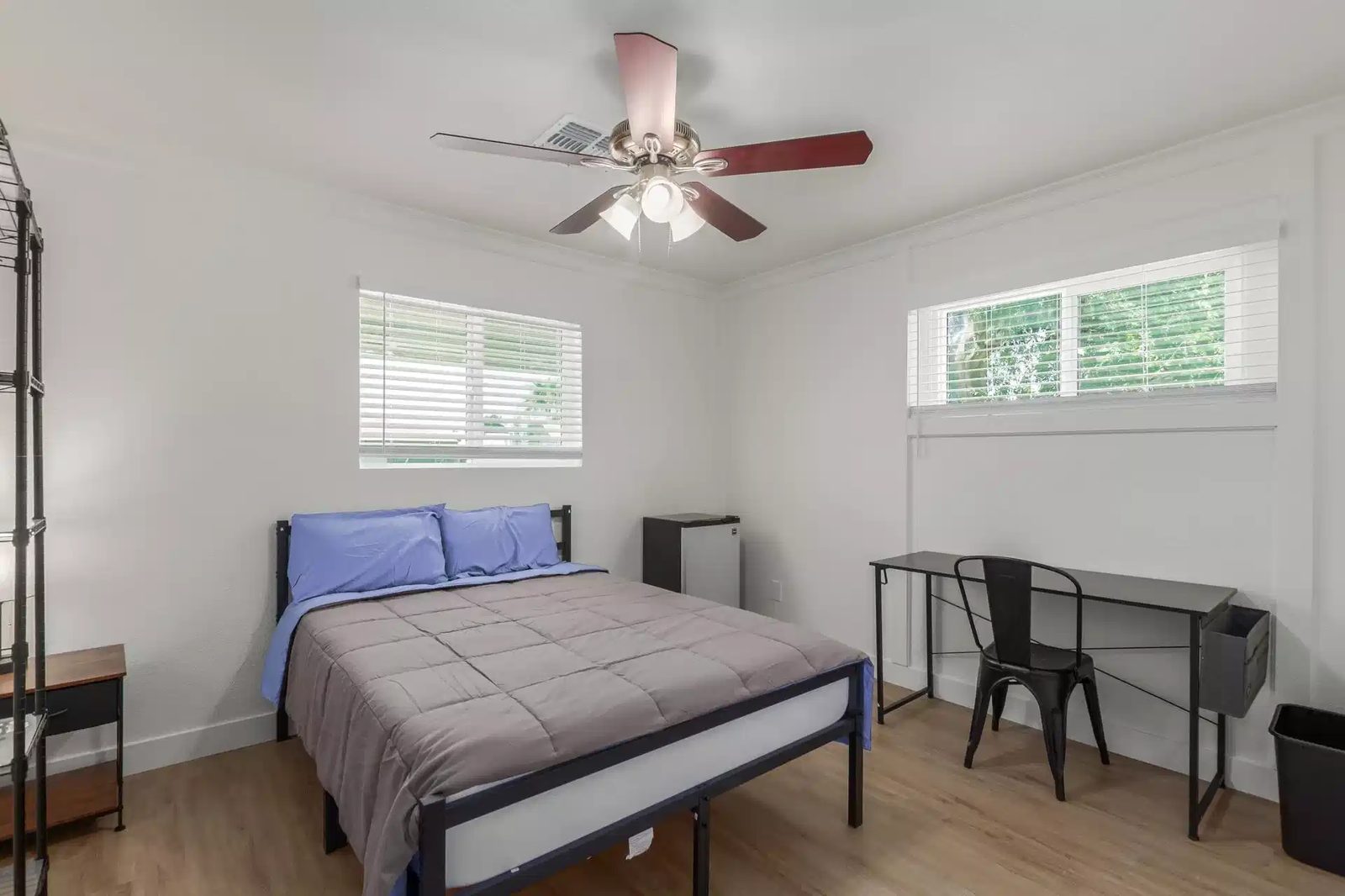
Transit (Botafogo, Copacabana, Ipanema, Flamengo, Tijuca)
Neighbourhoods a bit farther from campus offer a wider range of prices and more housing options. The commute typically involves a bus (many lines run along the South Zone) or a combination of bus and metro. Travel times can range from 20 to 45 minutes depending on traffic. Rio’s public transport is extensive but can be crowded during peak hours. The benefit is that you can often find a better price per square metre, and you’ll be closer to beaches, nightlife, and other amenities. Students who choose this option should factor in the cost of a monthly transport pass (indicate with operator) and the time lost in transit.
Bicycle
Cycling is becoming more common in Rio, especially in the South Zone. Gávea and surrounding areas have some bike lanes. If you feel comfortable cycling in traffic, a bike can make farther neighbourhoods more accessible and save money on fares.
When deciding, think about your schedule: if you have early morning classes or late study sessions, a shorter walk may be worth the higher rent. If your budget is tighter and you don’t mind a longer commute, transit-friendly neighbourhoods can work well.
Shortlist Logic: How to Evaluate Options
Because no specific nearby residences are listed in this guide, you will need to create your own shortlist using reliable criteria. Here is a logical approach:
- Define your budget range – Decide on a maximum monthly rent you can afford, including utilities (electricity, water, internet). Remember that some apartments include these in the rent, while others do not.
- Map your commute – Use Google Maps or local navigation apps to check travel time from each potential neighbourhood to PUC-Rio’s address: R. Marquês de São Vicente, 225. Test both public transport and walking/cycling times during the time of day you would normally travel.
- Check safety and amenities – Gávea is generally safe, but always verify the specific street. Look for 24-hour security in apartment buildings, especially if you plan to return late from the library.
- Read reviews of properties – If you find a specific listing, search for reviews of the building or the landlord. Avoid rentals with many complaints about maintenance or security.
- Visit in person or via video call – Photos can be misleading. If possible, ask a friend in Rio to view the place, or request a live video tour. Pay attention to the condition of the kitchen and bathroom, the water pressure, and the internet connection.
- Consider sharing – Joining a shared flat can lower costs and help you build a social network. PUC-Rio has many international students, so you may find flatmates through university groups.
- Negotiate the lease – In Brazil, rental contracts are usually for 12 months, but shorter terms may be available for students. Clarify the notice period and any deposit requirements (typically one to three months’ rent).
By applying this logic to the available listings in your target neighbourhoods, you can narrow down choices without relying on a single platform.
Frequently Asked Questions
Q: Is it easy to find short-term accommodation near PUC-Rio for an exchange semester?
A: Short-term rentals (3–6 months) are available but require more searching. Many landlords prefer 12-month contracts, but student-focused residences or sublets from graduating students can be found. Start your search at least two months before your semester begins. Some operators offer flexible contracts for students; always confirm the minimum stay and cancellation policy.
Q: What is the typical cost of utilities and internet for a student apartment in Gávea?
A: Utility costs (electricity, water, gas) will vary by season and apartment size. Internet is usually separate. For a shared apartment, combined utilities and internet for one person might cost an indicative R$300–R$600 per month, but these figures are approximate — confirm with the operator. Some rentals include all utilities in the rent, which simplifies budgeting.
Q: Are there any recommended neighbourhoods for students who prefer a quieter environment away from the busiest tourist areas?
A: Gávea and Jardim Botânico are themselves relatively quiet residential areas. Botafogo and Humaitá also offer a good balance of access to campus and a more relaxed atmosphere compared to Copacabana or Ipanema. Laranjeiras, slightly farther north, is another option favoured by some students. Always visit the area at different times of day to gauge noise and activity levels.
This guide is based on publicly available data as of 2026. Prices and availability are subject to change — always confirm details directly with the housing operator.
See also: listing details · browse more