Guide to Renting Student Housing in Sydney (2026–2027)
If you are planning to study in Sydney from 2026 or 2027, finding suitable accommodation will be one of your first tasks. Sydney is Australia’s largest city, with a competitive rental market shaped by its geography – the harbour, beaches, and a spread-out urban footprint. As of the latest data, there are 141 student properties listed on a major independent platform, with weekly rents starting at 175 AUD (indicative — confirm with the operator). This guide helps you understand how to choose a neighbourhood based on your commute, what price bands to expect, how the two major universities – The University of New South Wales (UNSW, QS rank 20) and Western Sydney University (QS rank 400) – connect to specific areas, and three common pitfalls to avoid. It also includes a booking calendar for 2026 and 2027 intakes.
Understanding Sydney’s Student Neighbourhoods by Commute
Sydney’s public transport system includes trains, buses, light rail, and ferries. Most students rely on a combination of walking and a single train or bus trip. Travel times to UNSW (located in Kensington) and Western Sydney University (main campuses in Parramatta, Bankstown, and Campbelltown) vary significantly. The city centre (CBD) is a central hub, but living there may not be the best choice for everyone.
Zones based on commute time to UNSW (Kensington)
- Inner East (0–15 minutes by bus/walk) : Suburbs such as Kingsford, Randwick, Kensington, and Coogee. These are within walking distance or a short bus ride from UNSW. Rental supply is high, with many purpose-built student accommodation (PBSA) and shared houses. Typical weekly rent for a room starts around 250–350 AUD (indicative). Studios can be 400–550 AUD.
- Mid-East (15–30 minutes by bus) : Areas like Surry Hills, Moore Park, Zetland, and Waterloo. Buses run frequently to UNSW (routes 392, 393, 396, etc.). These suburbs offer a mix of apartment buildings and older houses. Rents are slightly lower than the immediate vicinity, with shared rooms from 220–300 AUD (indicative). You also get closer access to the CBD.
- City Centre (30–40 minutes total) : The CBD (Haymarket, Ultimo, Chippendale) is well connected to UNSW via bus (route 396/397) or light rail (from Central to Randwick line). Many students live here because of proximity to university of technology and other amenities. However, the commute is longer and rent can be higher (shared room from 280–400 AUD indicative). For UNSW, living in the CBD is less convenient than the Inner East.
Zones based on commute to Western Sydney University
Western Sydney University has multiple campuses. The most common for international students are Parramatta and Bankstown. Commute patterns differ:
- Parramatta : A major city centre 30 minutes by train from Sydney CBD. Suburbs: Parramatta, Harris Park, Granville, Merrylands. Rents are generally lower than inner Sydney. A room in a shared house costs 150–250 AUD per week (indicative). The train to UNSW is about 40–50 minutes, so living near Parramatta and commuting to UNSW is possible but time-consuming.
- Bankstown : About 20 minutes by train from Central. Suburbs: Bankstown, Lakemba, Campsie, Belmore. Rents are similar to Parramatta, with a shared room around 160–240 AUD. Bankstown campus is also accessible by bus from the CBD.
- Campbelltown (if you study at that campus): Very affordable, but far from the city (1 hour train). Not ideal if you also need to attend UNSW or other universities.
For students attending both UNSW and Western Sydney University (e.g., combined degrees), living in the CBD or near Central Station may be the most balanced choice since trains to Parramatta/Bankstown and buses to Kensington are available.
Price Bands and What They Get You
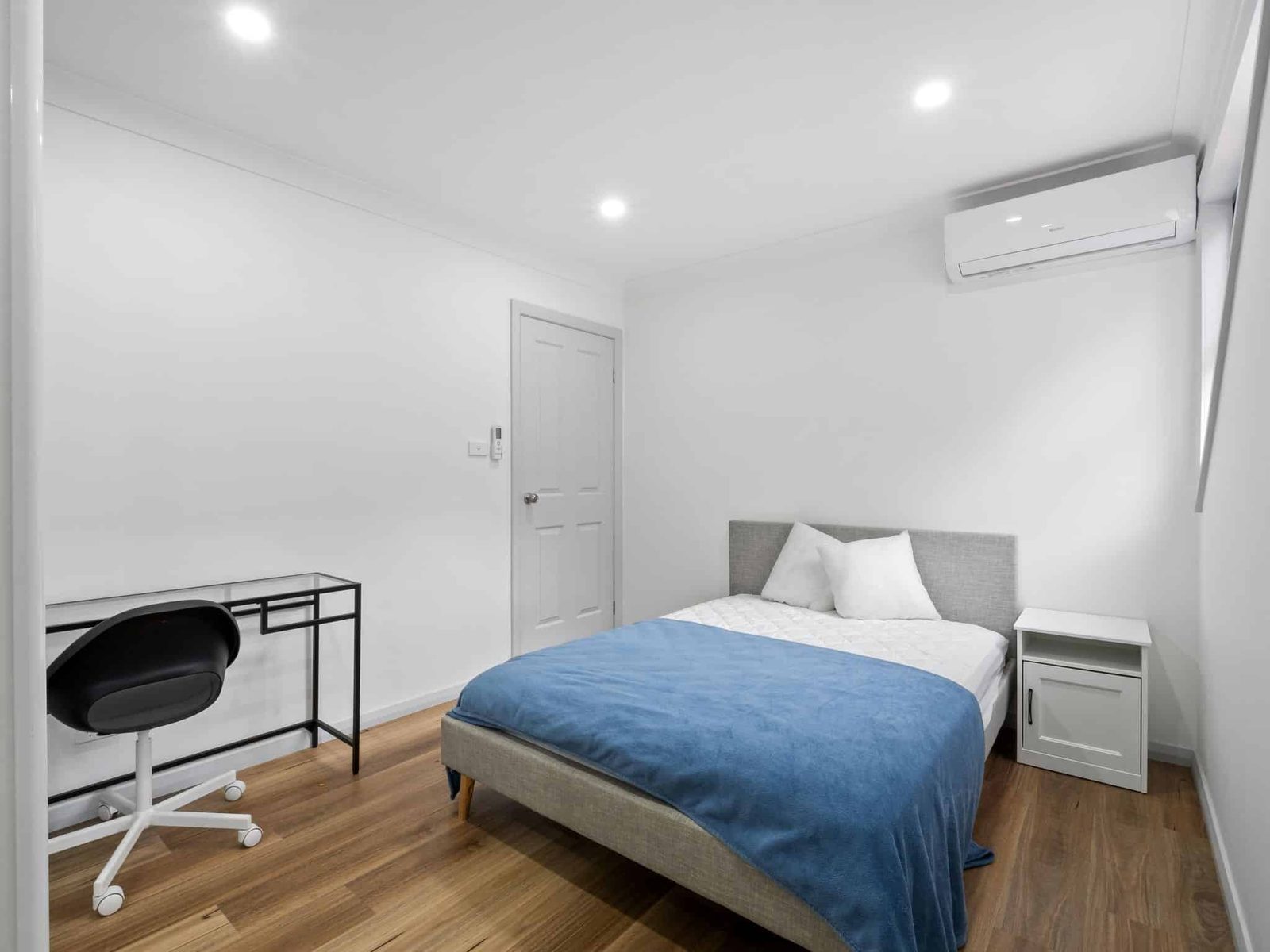
Based on the available 141 listings and a minimum price of 175 AUD per week (indicative), here are typical price bands observed in Sydney’s student rental market. All prices are indicative and must be confirmed with the operator of each property.
Band 1: Budget (175–250 AUD per week)
- Typical accommodation : Shared room in an older house or apartment, often in suburbs farther from UNSW or in Western Sydney. May include bills (electricity, water, internet) but not always. Room size is small, and you may share with 3–5 other tenants.
- Common areas : Outer suburbs like Parramatta, Bankstown, Lakemba, Campsie, and parts of Kingsford (older houses). Also some older PBSA in the CBD with shared bathrooms.
- Pros : Lowest cost, allows you to save money for other expenses.
- Cons : Longer commute (40–60 minutes to UNSW), less privacy, possible lower property condition.
Band 2: Mid-Range (250–350 AUD per week)
- Typical accommodation : Private room in a shared apartment or modern purpose-built student accommodation (studio in some cases). Includes basic furnishings. Bills often included in PBSA; in private rentals you may pay separately.
- Common areas : Inner East (Randwick, Kingsford, Coogee), CBD (Ultimo, Haymarket), Zetland, Surry Hills. Also some PBSA near Parramatta.
- Pros : Good balance of cost and convenience. Commute to UNSW under 30 minutes. Access to shops, cafes, public transport.
- Cons : Competition is high – rooms fill quickly. May need to share with 2–3 others.
Band 3: Premium (350–500+ AUD per week)
- Typical accommodation : Studio or one-bedroom apartment, often in newer PBSA or modern apartment complexes. Private bathroom and kitchenette. All bills included.
- Common areas : Kensington, Randwick, Coogee, CBD, and some near Parramatta (for Western Sydney students who want high quality).
- Pros : Maximum privacy and comfort. Very short commute (walk or 5-minute bus). Amenities like gym, study rooms, social spaces.
- Cons : Expensive compared to other options. May exceed typical student budget.
The 141 listings in the dataset cover all these bands, but the exact distribution is not known. You should search multiple platforms and compare offers.
Where the Listed Universities Map to Areas
The University of New South Wales (UNSW) – Kensington Campus
UNSW is located in Kensington, about 7 km south-east of the CBD. The immediate suburbs that serve its students are:
- Kensington (directly adjacent): Walking distance to campus. Many PBSA buildings are on Anzac Parade. Rents are higher than average.
- Randwick (1–2 km west): A large suburb with many shops, restaurants, and a hospital. Buses 370, 400, and 393 connect to UNSW. Shared housing is common.
- Kingsford (south of Kensington): Also very popular, with a lively main street. Light rail (Randwick line) opened in 2020, providing fast access to the city.
- Coogee (east): A beachside suburb, 2 km from campus. Bus 370 runs along the coast. Rent can be high but many students enjoy the coastal lifestyle.
- Maroubra (further south): Cheaper than Coogee but still accessible via bus. Less walkable.
Students at UNSW typically avoid the northern or western suburbs if they want a commute under 30 minutes. The train is not directly connected to Kensington; buses are the primary mode.
Western Sydney University (WSU) – Parramatta Campus
WSU’s main metropolitan campus is in Parramatta, about 23 km west of the CBD. The area around Parramatta is itself a city centre with its own rental market:
- Parramatta (city centre): High-rise apartments near the train station and campus. Many PBSA and private studios are available. Rents range from 250–400 AUD for a studio (indicative).
- Harris Park, Granville (adjacent): Cheaper suburbs with older houses converted into shared flats. 160–250 AUD per room.
- Merrylands, Westmead (nearby): More student housing options, especially near Westmead Hospital for health science students.
Western Sydney University – Bankstown Campus
Bankstown is 20 km south-west of the CBD, with its own rental market:
- Bankstown (immediate area): Moderate cost of living. Shared rooms from 150–220 AUD. Newer apartment developments near the train station.
- Lakemba, Campsie, Canterbury (along the train line): Affordable options, but commute time increases.
Overlap and Combined Students
If you need to attend both UNSW and WSU (e.g., double degree), consider living near Central Station or the CBD. From Central, you can take a train to Parramatta or Bankstown (30–40 minutes) and a bus to UNSW (20–25 minutes). Alternatively, living near Redfern or Waterloo gives easy bus access to UNSW and a short train ride to Central for WSU trains.
Three Common Pitfalls for Student Renters
Pitfall 1: Underestimating commute time and transport costs
Many students choose the cheapest rent far from campus without calculating the total cost of daily travel. Sydney’s public transport is reliable but not cheap. A weekly Opal card (smart card) for a 30-minute bus/train trip can cost 35–50 AUD. If you save 50 AUD on rent by living in the outer suburbs, you may lose that saving on transport – and waste 1–2 hours daily. Always compare rent + transport cost + time.
Tip : Use the Opal travel planner to estimate weekly cost. For UNSW, living within 5 km is usually cheaper overall.
Pitfall 2: Signing a lease without inspecting the property or checking inclusions
Online photos can be misleading. Some rental listings advertise “student accommodation” but turn out to be cramped rooms in poorly maintained houses. Watch out for:
- Mold or dampness (common in older Sydney houses due to humidity).
- Noisy neighbours (especially in Kingsford or CBD on busy streets).
- Hidden fees: Some PBSA charge extra for air conditioning, parking, or guest registration.
- Bond disputes: Ensure you get a receipt for bond payment (lodged with NSW Fair Trading).
Always ask for a video tour or, if possible, visit in person (even if you are overseas, ask for a real-time video call). Read the contract carefully – some fixed-term leases penalise early termination.
Pitfall 3: Not understanding the difference between PBSA and private rental
Purpose-built student accommodation (PBSA) offers convenience: all bills included, often fully furnished, with social spaces. However, contracts are usually for the whole academic year (48–52 weeks) and cancellation policies are strict. Private rentals (shared houses, apartments) may be more flexible (6‑month lease) but require you to arrange internet, electricity, and sometimes furniture.
Example : A PBSA studio in Kensington might cost 450 AUD/week (indicative). A private room in a shared house nearby might cost 280 AUD (indicative) but you pay bills separately (about 30 AUD/week). PBSA saves you hassle but at a price. Choose based on your budget and preference for convenience.
Booking Calendar: When to Start Your Search
Sydney’s academic year typically begins in late February/early March (Semester 1) and late July/early August (Semester 2). International students should book accommodation as early as possible, especially for PBSA which fills up months in advance.
For start in February/March 2026 or 2027 (Semester 1)
- 12 months before (previous March–April) : Start research. Identify preferred neighbourhoods, make a budget.
- 8–9 months before (June–July) : For PBSA, many operators release rooms. Some offer early-bird discounts if you book by August. Sign up for waiting lists.
- 6 months before (September–October) : Peak booking period. Many PBSA rooms are taken by November. Private rental listings also begin to appear as current tenants give notice.
- 3–4 months before (November–December) : If still looking, focus on private rentals. Use flatmate websites and Facebook groups. Be aware that finding a lease for February may require signing in January.
- 1 month before (January) : Last-minute options. Some PBSA have cancellations. Prices may be higher due to scarcity. Alternatively, consider temporary accommodation (hostel, Airbnb) for the first 2–3 weeks and then search on site.
For start in July/August 2026 or 2027 (Semester 2)
- 6 months before (January–February) : Start research. Fewer PBSA options may be available, as majority of annual contracts end in February. Some buildings have semester‑2 vacancies.
- 4–5 months before (March–April) : Main booking window. Private rental leases often start in mid-year as well.
- 2–3 months before (May–June) : Secure a place. If not, consider short‑term options and continue searching after arrival.
Pro tip : Join your university’s official accommodation service or flatmate matching if available. Also check sublet options from outgoing students.
Frequently Asked Questions
1. Can I find accommodation for 175 AUD per week in Sydney as a student?
Yes, the data shows a minimum price of 175 AUD per week (indicative — confirm with the operator). However, such low prices are extremely rare and typically involve a shared room in a house in far suburbs (e.g., Campbelltown, Penrith) or a very small room with limited amenities. Most student rentals in convenient locations start around 220–250 AUD. You should expect to pay more if you want a short commute or private room.
2. Which area is best for a student attending both UNSW and Western Sydney University?
Consider the CBD (e.g., Ultimo, Haymarket, Chippendale) or Surry Hills. From Central Station, trains to Parramatta (30 min) and Bankstown (20 min) are frequent, and buses to UNSW (20–25 min) run from Eddy Avenue or Elizabeth Street. Zetland and Waterloo are also viable – closer to UNSW but require a bus to Central for WSU. Rent will be mid‑range to premium (280–400 AUD per week indicative).
3. How do I avoid rental scams when searching from overseas?
- Never transfer money without seeing a legitimate contract and identification of the landlord/agent.
- Use reputable platforms (like the one this data comes from) that verify listings.
- Ask for a video tour and check that the address exists on Google Maps.
- Pay bond through NSW Fair Trading (official lodgement) – never cash.
- Trust your instincts: if the price is unusually low or the landlord pressures you to pay quickly, it may be a scam.
4. What length of lease is typical for student housing in Sydney?
Purpose-built student accommodation (PBSA) typically offers 48‑week or 52‑week fixed-term contracts (aligned with the academic year). Some allow semester‑by‑semester booking (22–24 weeks) but at a higher weekly rate. Private rental leases are usually 6 or 12 months, often with a break clause after 6 months if you pay a penalty. Always confirm the minimum lease duration before signing.
Data as of January 2026. Prices and availability are indicative — confirm with the operator.
See also: listing details · browse more