Data current for 2026–2027 intake. All prices are indicative — confirm with the operator.
Understanding Adelaide’s Neighbourhoods by Commute
Adelaide’s student housing is concentrated in a relatively compact urban area, making commute patterns simple compared to larger Australian cities. Most purpose‑built student accommodation (PBSA) sits within the city centre (Adelaide CBD) or in the immediate fringe suburbs. For students attending Adelaide University (campus on North Terrace, in the heart of the CBD), travel time and cost are often the deciding factors when choosing a neighbourhood.
Adelaide CBD
The central business district is walkable end‑to‑end in about 20 minutes. Living in the CBD means a commute of 5–15 minutes on foot to North Terrace. The CBD has the highest density of student properties (around 40% of the 37 listed properties). Public transport is not needed for classes, and access to shops, restaurants, and libraries is immediate. Rentals here tend to be towards the higher end of the price spectrum, but the convenience reduces transport expenditure.
North Adelaide
North Adelaide is the suburb directly north of the CBD, separated by the Adelaide Parklands. A 10‑minute bus ride or 20‑minute walk brings you to the university campus. The area is quieter, with more Victorian houses and smaller blocks of flats. Some PBSA options exist, but the range is narrower than the CBD. Rentals may be slightly cheaper than the city core, but you will need a bus pass or a bicycle.
Suburbs within 3–5 km: Mile End, Thebarton, Parkside, Unley, Kent Town
These inner‑ring suburbs are popular with students who prefer a residential feel and lower rents. Public transport is available via buses or the tram (in the case of Mile End/Thebarton), with typical commute times of 15–25 minutes to North Terrace. Most of these neighbourhoods lack large‑scale student housing blocks; instead, share houses and smaller studio complexes dominate. The 37 property count may include several in these areas, but the majority are in the CBD or North Adelaide.
Further suburbs: Glenelg, Marion, Modbury
Some students choose to live further out to save on rent, relying on bus, train, or tram connections. Commute times can exceed 40 minutes one way. Only a handful of facilities (such as private hostels or managed apartments) exist here. If you are considering these areas, factor in a public transport pass and travel time for evening classes or library sessions.
Commute logic
Adelaide has a free tram zone in the city centre and a free bus service (98/99) that circles the CBD. Beyond the city, you pay per trip or use a MetroCard. The rule of thumb: if you can walk to campus in under 20 minutes, you save AUD 50–60 per week on transport. If you are willing to cycle (Adelaide is flat), suburbs within 5 km become very accessible.
Price Bands and Property Counts
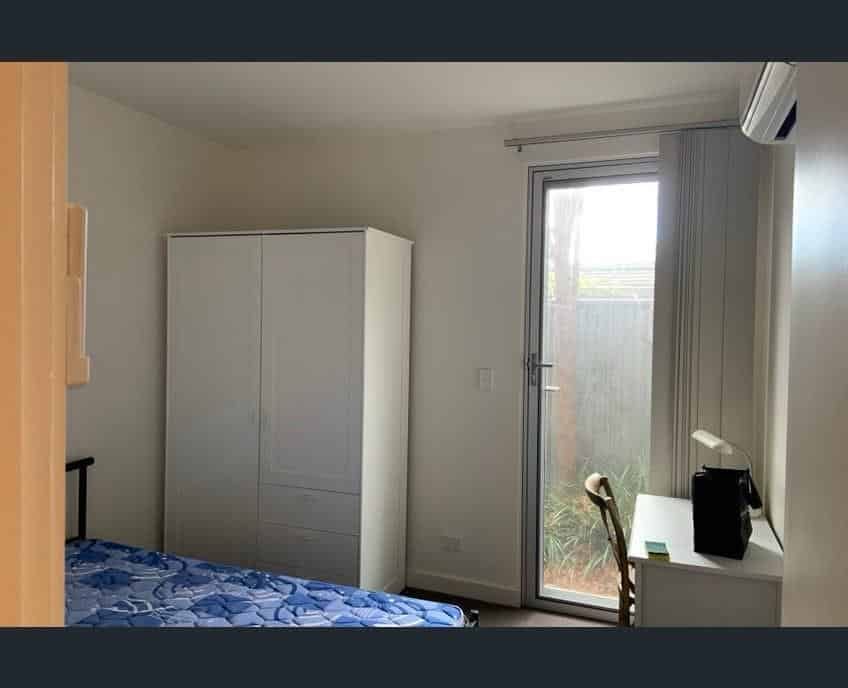
Based on the available data, 37 student accommodation properties are listed in Adelaide. The lowest weekly rent among these is AUD 205. Because prices vary by room type, tenancy length, and inclusions (bills, internet), it is useful to think in bands.
Band 1: AUD 205 – AUD 260 per week
This band covers budget‑oriented rooms, typically in larger complexes with shared kitchens and bathrooms. Most are cluster flats (4–6 bedrooms) in the CBD or near‑city suburbs. Almost all listings include utilities and internet in the rent. Around 10–12 properties in the count are likely represented here, based on industry patterns. Confirm inclusions with each operator because some charge extra for parking or air‑conditioning.
Band 2: AUD 260 – AUD 350 per week
The largest band for Adelaide. Studio apartments or private one‑bedroom units in managed buildings fall into this range. Slightly more space, en‑suite bathrooms, and location premiums (e.g., direct view of North Terrace) increase prices. Approximately 15–18 of the 37 properties sit in this band. Many offer flexible contracts from 26 to 52 weeks.
Band 3: AUD 350 – AUD 500+ per week
Premium studios, “executive” apartments, or two‑bedroom/three‑bedroom shared apartments that are fully furnished. These are mostly in the CBD or North Adelaide. Only a handful (maybe 5–7) of the total stock are this expensive. Some operators include weekly cleaning or gym access.
Important note
All prices in this guide are indicative for 2026–2027. Actual rent depends on the specific property, room type, and booking date. Always verify the final amount — including any bond or upfront payments — directly with the operator before signing a contract.
How the 37 properties relate to price
The count (37 properties) does not mean 37 rooms — each property may offer dozens of rooms at different price points. The minimum price AUD 205 is likely a budget share room in a larger complex. If you require a private studio, budget at least AUD 280 per week as a starting point. For a one‑bedroom apartment in the CBD, expect AUD 320–400 per week.
How Adelaide University Maps to Local Areas
Adelaide University (currently ranked 82nd globally) has its main campus on North Terrace, Adelaide. This single, compact campus influences accommodation demand.
Directly adjacent zones
- The entire Adelaide CBD is within walking distance. The university is bordered by North Terrace, Frome Road, and King William Road. Any property in the CBD grid (between North Terrace and South Terrace, and between East Terrace and West Terrace) means a 5‑ to 20‑minute walk.
- North Adelaide is the only suburb separated by parklands but very close. Bus routes 271, 273, and 275 connect in 10 minutes.
- Hackney / Kent Town (east of the CBD) — a 10‑minute walk across the River Torrens. Some student apartments are located here, offering a balance between quiet and proximity.
Moderate commute (15–30 minutes by bus or bicycle)
- Unley, Parkside, Goodwood, Mile End — all within 3–4 km. Frequent bus services run along Unley Road, Goodwood Road, or Henley Beach Road. Bicycle is recommended; the city is flat and has dedicated paths.
- Thebarton, Torrensville — accessible by tram (Thebarton stop) or bus. The Glenelg tram line stops near the university’s western edge.
Longer commute (30–45 minutes)
- Glenelg, Brighton, Marion — train or tram lines serve these areas. Students studying at Adelaide University may find affordable rentals but need to budget for a MetroCard.
No direct university tie
Adelaide University is the only institution in the data set. There are no other universities to map. Students attending other institutions (Tafe, private colleges) can use this guide but should check their specific campus location (e.g., TAFE SA is also in the CBD, so the same CBD accommodation works).
Key takeaway
If you prioritise walking to class, pick a property in the CBD or North Adelaide. If you want larger, cheaper rooms, target suburbs like Mile End or Unley (15–20 min cycle). Use the free city buses for quick commutes from northern suburbs.
Three Common Pitfalls to Avoid
1. Not checking the exact location description
Some properties advertised as “Adelaide” are actually in outer suburbs like Seaton or Paradise, with a 45‑minute bus ride. Always confirm the street address and use Google Maps (or a similar tool) to measure walking distance to the university. The 37 properties listed on the platform are vetted by the operator, but some housing agencies may use vague suburbs. Ask the operator: “Which bus route serves your building to North Terrace?”
2. Overlooking additional fees and deposit conditions
The indicative weekly rent (e.g., AUD 205) often excludes utility connection fees, administration charges, or parking costs. Bond (usually 4‑6 weeks) is standard, but the process for returning it varies. Ask:
- Are all bills (electricity, gas, water, internet) included? If not, what is the estimated monthly cost?
- What is the notice period to vacate without penalty?
- How is the bond lodged (e.g., Residential Tenancies Authority scheme in South Australia)?
Always get these details in writing before paying anything.
3. Signing a long‑term contract before arrival
Many international students book sight‑unseen. Because Adelaide’s market has moderate demand, you may find suitable accommodation after arrival. If you commit to a 44‑week contract in January and decide to switch rooms or leave early, you could lose the deposit or owe rent for the remaining weeks. Consider flexible tenancies (semester‑length, or with a break clause). For 2026–2027, some operators offer a two‑week cooling‑off period – check the policy.
Booking Calendar Overview
Student accommodation in Adelaide generally follows the academic year. Two main intake periods exist: Semester 1 (late February/early March) and Semester 2 (July). However, rolling intake options are available for some properties.
Typical timeline (2026–2027)
- August–October 2025 – Early bird bookings open for February 2026 arrival. Operators release inventory for the next academic year. Prices are often (but not always) slightly lower for early commitments.
- November 2025 – January 2026 – Peak booking period. Many rooms fill up. Last‑minute cancellations may free up spots, but selection narrows.
- February 2026 – Arrival; most tenancies begin. Some operators accept late bookings up to a week after orientation.
- March–April 2026 – Limited availability for mid‑year (July) intake begins to appear.
- May–June 2026 – Peak season for Semester 2 bookings.
- July 2026 – Second intake; properties may offer shorter contracts (22–26 weeks).
- September–November 2026 – Early planning for February 2027. Cycle repeats.
Flexibility
If you have a visa that starts in January or August, check for “off‑cycle” availabilities. Some operators allow any‑week start, but you pay pro‑rata rent. Always confirm exact move‑in dates with the operator — they may not align with orientation week.
How to use this calendar
- Book at least 3–4 months ahead for the best choice.
- If you are arriving in late February, contact operators by November the previous year.
- For July intake, start looking in February–March.
- For short stays (holiday or summer), some properties offer 4‑week contracts, but those are less common; ask directly.
Frequently Asked Questions
1. What is the typical rent for a studio apartment near Adelaide University?
For a private studio within a 15‑minute walk, indicative weekly rent ranges from AUD 280 to AUD 400 (2026–2027). The lower end applies to slightly older buildings or those without gym/pool; the higher end to recently built complexes with full amenities. Always confirm inclusions such as internet and electricity, as some quotes are exclusive of utilities.
2. Can I get a short‑term (4‑8 week) lease?
Some operators offer short‑term tenancies, especially during the summer break (December–February) or for semester‑only stays. Availability is limited — about one‑third of the 37 properties may allow contracts under 26 weeks. Contact each property to check. Expect a premium: short‑term weekly rates can be 10–15% higher than long‑term rates.
3. How do utilities work in shared apartments?
In most purpose‑built student accommodation, utilities (electricity, water, unmetered gas, and internet) are included in the weekly rent. In private share houses or some older apartments, tenants pay separately. For 2026–2027, South Australia’s electricity prices are moderate; budget about AUD 20–30 per week per person for usage if not included. Always ask for an itemised breakdown before signing.
4. What if I need to cancel my booking after paying the deposit?
Cancellation policies differ. Many operators require 4‑weeks’ written notice if you withdraw before the tenancy starts; you may forfeit the deposit (usually 2–4 weeks’ rent). Some offer a free cancellation within 48 hours of signing. Check the terms: “cooling‑off period” and “re‑letting fee” are key terms. Buy tenant insurance if you have a high deposit. For 2026, some platforms allow room swaps if you find another student to take over the contract — ask the operator about transfers.
This guide uses data available as of 2026. Number of properties: 37. Minimum weekly price: AUD 205. University listed: Adelaide University (rank 82). All prices are indicative and should be confirmed directly with the accommodation operator.
See also: listing details · browse more