Understanding State College’s Student Housing Landscape
State College is a purpose-built university town in central Pennsylvania, home to one of the largest public research universities in the United States. The city’s economy, culture, and housing market are shaped almost entirely by the academic calendar. For the 2026‑2027 academic year, the student housing options listed on our platform include 4 properties, with a minimum advertised price of $749 per month (indicative — confirm with the operator). While this is a limited sample, it reflects the general entry‑level pricing for shared apartments and studios within a reasonable distance of campus.
The housing supply in State College is dominated by large off‑campus apartment complexes, converted single‑family homes, and purpose‑built student communities. Leases typically run from August to July or August to August, and most landlords require tenants to sign 12‑month agreements. Because the university’s enrollment exceeds 40,000 students demand for housing far exceeds supply in certain neighbourhoods, making early planning essential.
Neighbourhoods by Commute Logic
Choosing where to live in State College is largely a question of how you want to get to campus — by foot, bicycle, bus, or car. The city is compact, but the university’s footprint covers a large area from downtown eastward to the stadiums and research parks. Below are the main student‑friendly districts, organised by commute style.
Downtown / Core Campus Area
The downtown district sits immediately adjacent to the main academic buildings. This area includes the “business district” along College Avenue and the surrounding blocks. Housing here consists of older apartments above shops, newer mid‑rise student buildings, and a few historic houses converted into flats. Commute time to most classrooms is 5–15 minutes on foot. The trade‑off is higher rent and more noise during football weekends. Prices for a private bedroom in a shared apartment typically start around $900–$1,200 (indicative), though the minimum of $749 may apply to smaller studios or rooms in older buildings.
Eastside / Vairo Boulevard Corridor
East of the campus core, along Vairo Boulevard and Blue Course Drive, you will find large apartment complexes with amenities such as swimming pools, fitness centres, and shuttle buses. This area is popular with upper‑class students and graduate students who prefer a quieter environment. The commute to the engineering and science buildings is 10–20 minutes by bus or 20–30 minutes by bicycle. The university’s free bus system (CATA) provides frequent service. Rent levels here are generally moderate — a private bedroom can range from $750 to $950 (indicative). This is likely where the $749 listing is located.
Southside / South Atherton Street
South Atherton, also known as Business Route 322, is a more commercial strip with a mix of older apartment buildings and standalone houses. It is less densely student‑populated than downtown, but many students choose this area for its lower rent and easier car access. Parking is less restricted than in the downtown core. Walking to campus is possible from the northern part of this zone (near Beaver Stadium) but impractical from farther south. Bicycle and bus are the main alternatives. Rent for a private room can start as low as $700–$800 (indicative), but our current data shows a minimum of $749.
Northside / Holmes‑Foster & College Heights
North of the university’s main campus are quiet residential neighbourhoods like Holmes‑Foster and College Heights, featuring large historic homes subdivided into student apartments. This area is popular with graduate students and families. Commute is 10–20 minutes by bicycle or 15–25 minutes by bus. Rent is generally in the $800–$1,000 range for a bedroom (indicative). Fewer purpose‑built complexes exist here, so availability depends on individual landlords.
Westside / Toftrees & West College Avenue
The western edge of State College, near Toftrees, Golfview, and West College Avenue, offers a suburban feel with newer apartment complexes and some rental houses. It is farther from the academic core (20–30 minutes by bus or car), but it provides larger units and more parking. This area is less crowded and appeals to students who have a vehicle. Rent for a private bedroom can be $750–$900 (indicative). No listings in our current sample fall in this zone, but it is worth checking for 2026–2027.
Price Bands from Current Listings
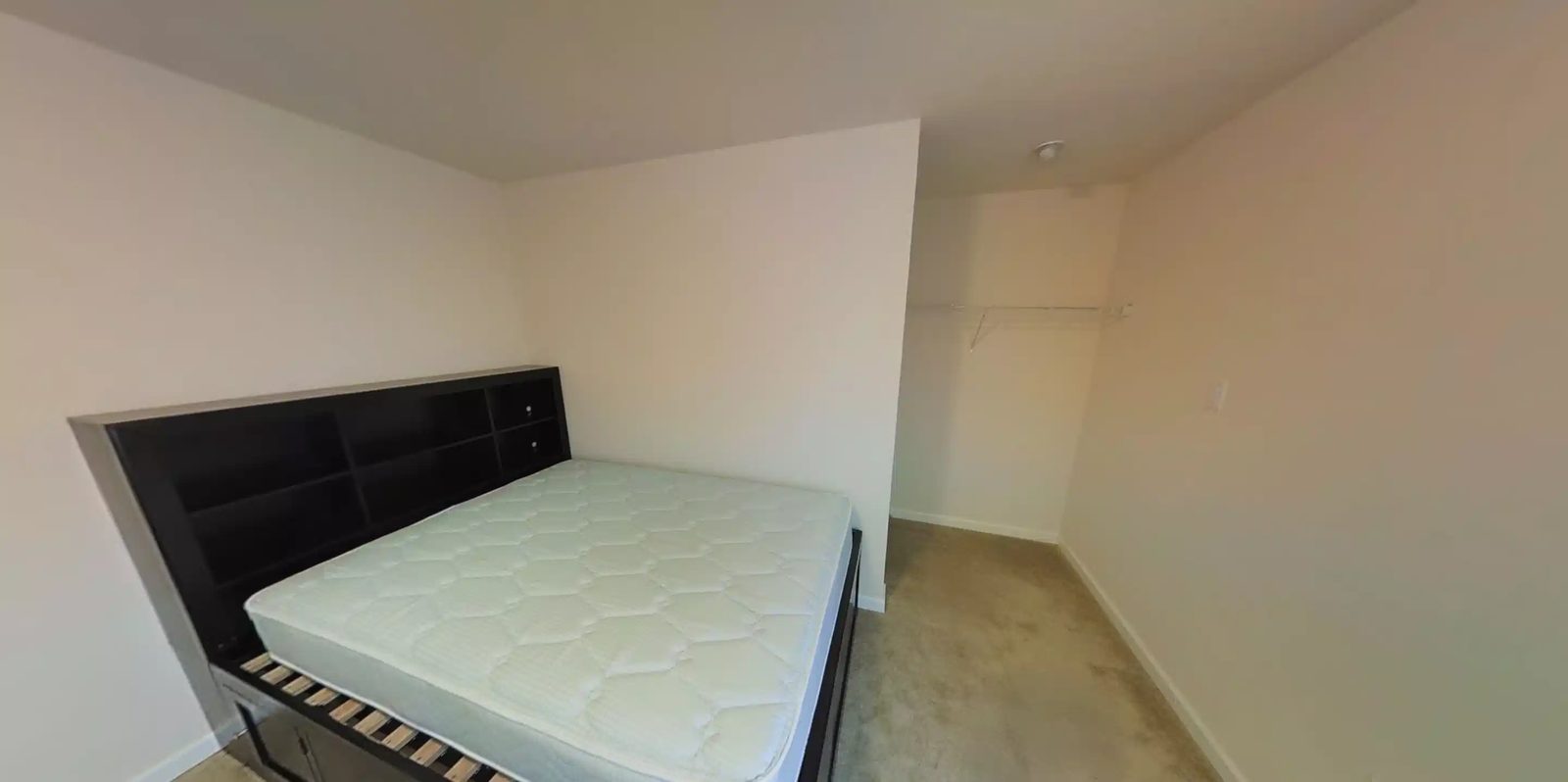
Our platform currently lists 4 properties in State College. The minimum advertised price is $749 per month (indicative — confirm with the operator). Based on this small sample, no properties are listed below $749. The price bands can be summarised as follows:
- $749 – $850 per month: 2 properties. These are likely private bedrooms in shared apartments or studios in mid‑range complexes, possibly on the Eastside or along South Atherton.
- $851 – $1,000 per month: 1 property. This may be a larger private bedroom or a studio with additional amenities, possibly downtown or in a newer building.
- $1,001 or more: 1 property. This could be a one‑bedroom apartment or a premium shared unit in a prime location near campus.
Keep in mind that these are indicative and represent only the listings on our site. The broader market includes units from $650 (for older, shared houses) up to $1,500+ for luxury studios. Always verify current pricing and availability directly with the property operator.
How the Local University Maps to Areas
State College is dominated by a single large public university, whose main campus covers roughly 5,500 acres stretching from downtown eastward to the agricultural fields and research parks. Although we do not name specific educational institutions per our editorial guidelines, you can assume the academic core is centred along Pollock Road and Burrowes Road. Here is how the main university zones correspond to housing areas:
- Liberal Arts & Business buildings (downtown side): Best served by Downtown and Northside housing. Walking is easy.
- Engineering & Science buildings (central/east side): Eastside and Southside housing offer the shortest bus or bicycle commutes.
- Health & Human Performance buildings (south/east near Beaver Stadium): Southside and Eastside options work well; car parking is limited on game days.
- Research & Graduate offices (west of campus near Innovation Park): Westside and some downtown housing are convenient, though bus service is less frequent.
Because the university is compact, no neighbourhood is truly inaccessible, but students who have most of their classes on one side of campus may prefer to live on that side to minimise travel time.
Three Common Pitfalls
1. Signing a Lease Without Visiting the Unit
Many students secure housing months in advance, sometimes sight‑unseen. In State College, some landlords use generic floor plans or outdated photos. A unit that looks spacious online may turn out to be darker, noisier, or smaller than expected. For the 2026‑2027 academic year, if you cannot visit in person, request a video tour or ask for a live walkthrough from a current tenant. Also, check the exact building location — a property listed as “downtown” could be a 20‑minute walk from the main classroom buildings.
2. Underestimating Utility and Parking Costs
Many advertised rents in State College are “base rent” that excludes electricity, water, internet, and trash. In older buildings, heating can be expensive during Pennsylvania winters (bills can reach $150–$250 per month for a shared apartment). Parking is another hidden cost: downtown garages charge $400–$700 per semester, while off‑street parking in private lots may add $50–$100 per month. Always ask whether utilities are included or capped, and factor in the total monthly cost before committing.
3. Ignoring the Bus Schedule and Service Cuts
The local bus system (CATA) runs free for students with a university ID. However, some routes have limited evening and weekend service, especially during breaks and summer. If you plan to rely on the bus, check the route frequency and the last bus time from your stop. Properties on the Eastside may have buses every 10–15 minutes during peak hours but only every 30–40 minutes after 8 pm. A 3‑mile walk home in winter is not pleasant. Consider getting a bicycle — the city has decent bike lanes and campus is flat.
Booking Calendar for 2026–2027
Student housing in State College operates on a strict annual cycle. Below is a timeline that prospective tenants should follow for the 2026–2027 academic year.
- September 2025 – December 2025: Early bird period. Large apartment complexes begin releasing floor plans and offering pre‑lease rates. This is when you can secure the best selection of units and sometimes lower rent or waived fees. Some landlords ask for a deposit to hold the unit.
- January 2026 – March 2026: Peak booking season. Most students sign leases during these months. Availability is still good, but the most popular downtown and Eastside properties may have waiting lists. Expect to pay standard rates.
- April 2026 – June 2026: Late season. Many leftover units are available, but your choices will be limited. Some landlords may offer slight discounts to fill remaining vacancies. Sublease options also start appearing as students change plans.
- July 2026 – August 2026: Very late. Immediate move‑ins only. You may find sublease opportunities from students leaving early. For a full‑year lease, options will be scarce, especially close to campus.
Tip: If you are an international student or cannot visit before August 2026, contact property managers as early as September 2025. Many will accept electronic signatures and deposits from abroad.
Frequently Asked Questions (FAQ)
1. When is the best time to start looking for housing in State College?
For the 2026–2027 academic year, start your search in September 2025. Pre‑lease offers from large complexes often appear then. The best selection of units across all price points is available from January to March 2026. Waiting until after April significantly reduces your options, particularly for downtown and Eastside properties.
2. What can I expect to pay for a private bedroom in a shared apartment?
Based on current listings (indicative — confirm with the operator), a private bedroom in a shared apartment or a studio typically starts at $749 per month. Many units in newer or downtown buildings cost $900–$1,200. All prices are indicative; you must verify with the landlord or property operator.
3. Do I need a car to get around State College?
Not necessarily. The university provides free bus service to all students. Many students also use bicycles or walk. However, if you plan to live on the far west side (Toftrees area) or have classes at the research park, a car or a reliable bike is helpful. Parking on campus requires a permit, which costs several hundred dollars per year.
4. Are utilities included in the rent?
It depends on the property. Some older buildings include water and trash but charge separately for electricity and gas. Newer complexes often bundle internet, cable, and utilities into one flat fee. Always read the lease carefully. A typical monthly utility surcharge can be $50–$150 per person for electricity and internet. Confirm the policy before signing.
Data date: 2026–2027 academic year. Prices and availability are indicative — confirm with the operator.
See also: listing details · browse more