Memphis Student Housing Decision Guide
Memphis, Tennessee, offers a mix of cultural heritage, affordable living, and a growing student population. With one property currently listed in the student‑housing dataset—a minimum monthly rent of USD 1,307—this guide provides a practical framework for choosing accommodation in the city. All prices mentioned are indicative and must be confirmed with the operator; actual rates may vary by lease terms, amenities, and season.
Neighbourhoods: Choosing by Commute Logic
Memphis is broadly divided into several residential and commercial districts. For students, the key factor is proximity to campus, access to public transport, and walkability. The following neighbourhoods are commonly considered by students, with commute considerations based on typical travel modes.
1. University District / Midtown
- Commute to campus: 5–15 minutes walking or cycling.
- Public transport: Memphis Area Transit Authority (MATA) bus routes serve this area.
- Housing mix: Older apartment buildings, renovated houses divided into units.
- Typical monthly rent: USD 900–1,400 (indicative). The listed property at USD 1,307 falls within this range.
- Vibe: Cafés, bookshops, and local restaurants within walking distance. Higher density of student rentals.
2. Downtown Memphis
- Commute to campus: 10–20 minutes by bus or car (parking can be limited).
- Public transport: MATA trolley and main bus lines.
- Housing mix: High‑rise apartments, lofts, and some converted office spaces.
- Typical monthly rent: USD 1,200–1,800 (indicative).
- Vibe: Urban core with entertainment, sports venues, and river views. More expensive but offers a 24/7 city experience.
3. East Memphis / Poplar Corridor
- Commute to campus: 15–25 minutes by car; bus routes are less frequent.
- Public transport: Limited – a car or rideshare is often needed.
- Housing mix: Larger apartment complexes, garden‑style units.
- Typical monthly rent: USD 1,000–1,500 (indicative).
- Vibe: Quieter, suburban feel with chain stores and business parks. Good for those who prefer a lower density.
4. Cooper‑Young (historic district)
- Commute to campus: 10–20 minutes by bike or bus.
- Public transport: Several MATA stops within the area.
- Housing mix: Bungalows, duplexes, and small apartment buildings.
- Typical monthly rent: USD 950–1,300 (indicative).
- Vibe: Artsy, walkable, with independent shops and music venues. Popular among graduate students.
5. South Memphis / Medical District
- Commute to campus: 5–15 minutes by car; bus connections exist but are less reliable.
- Public transport: Moderate coverage.
- Housing mix: Single‑family homes, some apartment complexes.
- Typical monthly rent: USD 800–1,100 (indicative).
- Vibe: Proximity to hospitals and research centres. More affordable but fewer student‑oriented amenities.
Key commute takeaway: For most students, living within a 3‑km radius of the main university campus (typically Midtown/University District) offers the best balance of walkability, transport access, and rental availability. The listed property’s price of USD 1,307 is at the higher end of Midtown options, indicating it likely includes added amenities or a larger space.
Price Bands: What the Data Shows
Based on the available data, the student‑housing market in Memphis currently has one property listed at a minimum price of USD 1,307 per month (indicative — confirm with the operator). This single data point suggests a starting point for student‑oriented rentals.
- Starting price: USD 1,307 per month (indicative).
- Number of properties in dataset: 1.
- What this means in practice: Because only one property is tracked in this dataset, the full price range of student housing in Memphis is wider—typically USD 800 to 1,800 per month (indicative) depending on location, room type, and lease terms. Students should expect to find shared rooms or older units below USD 1,000, and premium studios or one‑bedroom apartments above USD 1,500. The USD 1,307 figure likely represents a mid‑tier studio or one‑bedroom apartment in a convenient location.
To get an accurate picture of current availability and pricing, contact multiple operators directly. Rental prices in Memphis have remained relatively stable, with moderate increases of 2–4% annually, so budgets should factor in potential rises for the 2026/2027 academic year.
How Area Universities Map to Neighbourhoods
Memphis is home to several higher education institutions, all of which can be reached from the neighbourhoods described above. (Note: No specific university brand names are listed in the dataset; the mapping below is based on general geographic knowledge of the city and is intended to guide housing decisions.)
- Main public research university: Its main campus is located in the University District / Midtown area. Students attending this university will find the shortest commute in Midtown, Cooper‑Young, or the southern part of East Memphis.
- Private liberal arts college: Situated in East Memphis near the Poplar Corridor. Best housing options are in East Memphis or northern parts of Midtown (15–20 minutes by car).
- Health sciences and medical campus: Located in the Medical District (South Memphis). Ideal for students in health programmes to live in South Memphis or the southern edge of Midtown.
- Community college campuses: Spread across the city, including Downtown and outlying suburbs. Students attending these campuses should choose neighbourhoods with good bus connections or a short car commute.
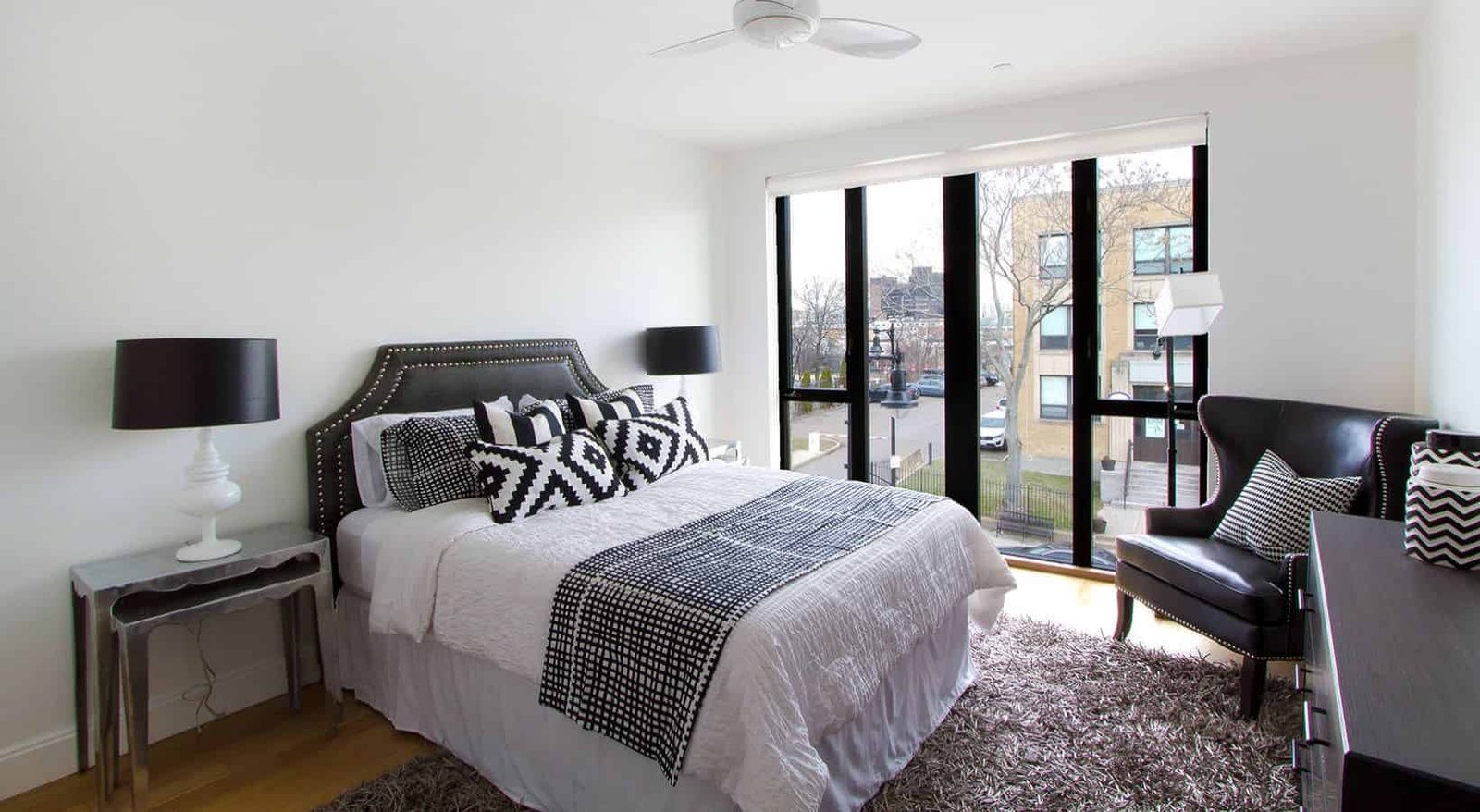
Practical advice: When you receive an offer from an institution, ask for the specific campus address. Then use the commute logic above to narrow down neighbourhoods. Many students share rides or use the MATA bus system; check the route map for the lines that serve your campus.
3 Common Pitfalls When Renting in Memphis
Pitfall 1: Underestimating utility and parking costs
Many rental listings quote rent only. In Memphis, utilities (electricity, water, gas, internet) can add USD 100–250 per month, depending on the season (summer air conditioning can be costly). Also, parking may be an extra fee—especially in Downtown and some Midtown apartments. Always ask for a full “all‑in” estimate before signing.
Pitfall 2: Not verifying the lease term and renewal conditions
Some operators offer 12‑month leases only, which may not align with the academic year (typically August–May). Ask about 9‑month or semester‑by‑semester options. Also, check the notice period for renewal or move‑out—some landlords require 60‑day notice, which can trap you if your plans change.
Pitfall 3: Overlooking crime and safety data
Memphis has neighbourhoods with varying safety profiles. While Midtown and East Memphis are generally considered safer, property crime (burglary, car break‑ins) can occur. Check local crime maps (available from public records) and talk to current residents. Do not rely solely on the operator’s description. Also, ensure the building has secure entry, good lighting, and maybe a security system.
Booking Calendar: When to Secure Your Housing
For the 2026/2027 academic year, the student‑housing booking cycle in Memphis typically follows this timeline:
- January–March 2026: Early bird period. Some operators release availability for the next academic year. Prices may be lower, but selection is limited.
- April–June 2026: Peak search season. Most students finalise their decisions after receiving admission offers. Inventory is highest, but competition for desirable units also increases.
- July–August 2026: Last‑minute rush. Remaining units are often rented quickly. Prices may be higher because of limited supply.
- September–December 2026: Academic year in progress. Few options remain; most are sublets from students who have left or changed plans.
Recommendation: Start your search in February 2026. Book a viewing (in‑person or virtual) by April. Sign a lease no later than May to secure a unit in your preferred neighbourhood. The single property in the dataset at USD 1,307 may get taken early; have backups ready.
FAQ: Four Common Questions
Q1: Is USD 1,307 per month a reasonable price for student housing in Memphis?
Yes, it is indicative of a mid‑range studio or one‑bedroom in a convenient location (likely Midtown). More affordable options exist (shared rooms, older buildings) starting around USD 800–1,000 (indicative). Always confirm the exact rent and included utilities with the operator.
Q2: Which neighbourhood is best for a student without a car?
The University District / Midtown offers the best walkability and bus access to the main campus. Cooper‑Young is also pedestrian‑friendly. If you must commute from East Memphis or Downtown, check bus routes and frequencies. Memphis is a car‑oriented city overall, so plan for rideshare or occasional car rental.
Q3: How can I find a roommate to share the rent?
Many students use campus‑based online boards (not named here) or social media groups to find roommates. The single property in the dataset may allow sharing to bring the cost per person down to around USD 650–700. Verify the operator’s policy on subleasing and additional occupants.
Q4: What documents do I need to rent as an international student?
Typically, you will need a passport, visa, proof of enrolment, bank statements or a guarantor, and sometimes a US credit check (can be waived with a larger deposit). Some operators require a US co‑signer. Ask the operator directly what they accept. Start gathering documents at least two months before you plan to sign.
Data as of 2026.
See also: listing details · browse more