London student housing: a decision guide based on real listings
London is one of the most popular student destinations globally, with eight universities covered in this guide. The independent student‑housing platform currently lists 53 properties across the city. Minimum weekly rent is £130 (indicative – confirm with the operator). All prices in this article are in GBP and should be checked directly with the property provider before committing.
The university list below shows each institution’s global ranking (source: QS World University Rankings 2025, unless otherwise stated). This guide explains how to match your commute needs with London’s neighbourhoods, what price ranges you can expect, and three common mistakes to avoid when booking.
- Imperial College London (rank 2)
- UCL (University College London) (rank 9)
- King’s College London (KCL) (rank 31)
- London School of Economics and Political Science (LSE) (rank 56)
- Queen Mary University of London (QMUL) (rank 110)
- City St George’s, University of London (rank 310)
- Birkbeck College, University of London (rank 388)
- SOAS University of London (rank 511)
Neighbourhood logic by commute
London’s public transport network – the Tube, bus, Overground, and National Rail – is the main way students travel. The city is divided into fare zones 1–9. Most university campuses are in zone 1 (central London) or inner zone 2. Your commute time depends on which zone you live in and which line serves your university.
Zone 1 – central (walking or short Tube ride)
Areas like Bloomsbury, South Kensington, Strand, Holborn, and the City of London host multiple universities.
- Bloomsbury / Fitzrovia – home to UCL, Birkbeck, SOAS, and within 15 minutes’ walk of LSE and KCL’s Strand campus. Bus and Tube (Central, Northern, Piccadilly, Victoria lines) serve this area.
- South Kensington – Imperial College’s main campus is here. Also within walking distance of the Royal College of Art and Royal College of Music.
- Strand / Waterloo – KCL has its main campus on the Strand and a second campus near Waterloo station. Waterloo is a major transport hub with the Jubilee, Northern, and Bakerloo lines.
- Barbican / City of London – close to City St George’s (which merged in 2025). The Barbican is served by the Metropolitan, Hammersmith & City, and Circle lines.
Living in zone 1 is convenient but rents are generally highest. The minimum £130/week listing is likely a room in a shared house or a hall‑of‑residence bed – you will find few studios or one‑bedroom options at that price in zone 1.
Zone 2 – inner London (15–25 minutes commute)
Zone 2 neighbourhoods that are well‑connected to central universities include:
- Camden Town / Kentish Town (Northern line) – 15–20 minutes to UCL / Birkbeck / SOAS; also close to King’s Cross.
- Earl’s Court / West Kensington (District and Piccadilly lines) – 10–15 minutes to Imperial College.
- Elephant & Castle (Northern and Bakerloo lines) – 10 minutes to KCL’s Waterloo campus; also near LSE.
- Bethnal Green / Mile End (Central and District lines) – directly serves QMUL’s Mile End campus. Also 20 minutes by Tube to central London.
- Stratford (Central, Jubilee, and Elizabeth lines) – 15–20 minutes to QMUL and 25 minutes to central campuses. Stratford has many newer student accommodation blocks.
Zone 2 often offers slightly lower rents than zone 1, with more purpose‑built student accommodation (PBSA) and shared housing. Expect weekly rents from about £150–£250 (indicative).
Zone 3 – outer London (25–40 minutes commute)
Zone 3 can be significantly cheaper but increases travel time. Typical areas include:
- Hammersmith / Shepherds Bush (District, Piccadilly, Hammersmith & City, and Central lines) – 20–30 minutes to Imperial; also good for City St George’s if you connect via Central or District.
- Tooting Broadway / Tooting Bec (Northern line) – 30 minutes to KCL Waterloo or LSE; also near City St George’s Tooting campus.
- Walthamstow / Leytonstone (Victoria and Central lines) – 30–40 minutes to central campuses; sometimes used by QMUL students.
- Brent Cross / Hendon (Northern line) – 35 minutes to UCL / Birkbeck.
Many London universities also have satellite campuses (e.g., Whitechapel, Guy’s). Always check which campus your lectures are at before choosing an area.
Price bands and property count
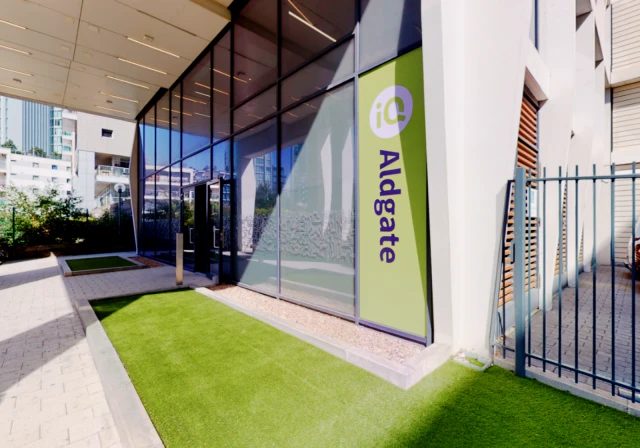
The platform lists 53 properties across London. The cheapest listed rent is £130/week. This figure is a starting point; most students will pay more.
Based on typical London rental data and the listings available, you can expect three broad price bands:
- £130–£180/week – Shared houses with multiple bedrooms or older‑style halls of residence. Often limited availability. Usually in zone 2/3 or far from central campuses. Utilities may be separate.
- £180–£250/week – Mid‑range purpose‑built student accommodation (ensuite rooms in a cluster flat) or decent shared flats in zone 2. Most common price range for students who want a private bathroom but are willing to share kitchen/living space.
- £250–£350/week – Studios or one‑bedroom units in modern PBSA, often in zone 1 or prime zone 2 locations. A small number of properties may exceed £350.
Important: these bands are indicative. Actual rents change over the year. Always confirm the final price and any additional fees (deposit, bills, admin charges) with the operator.
How the listed universities map to areas
Imperial College London
Main campus in South Kensington (zone 1). Nearest Tube: South Kensington (District, Circle, Piccadilly). Recommended neighbourhoods: South Kensington (walking), Earl’s Court, West Kensington, Hammersmith, or anywhere on the Piccadilly or District lines. Also popular: Battersea (Northern line extension) and Clapham (Northern line, 25–30 minutes).
UCL, Birkbeck, SOAS
All three are concentrated in Bloomsbury (zone 1) near Euston, King’s Cross, and Russell Square. Walking distance from each other. Good areas: Bloomsbury, Fitzrovia, Camden, King’s Cross, Angel (Islington), or anywhere on the Northern, Victoria, or Metropolitan lines.
King’s College London
Multiple campuses: Strand (zone 1), Waterloo (zone 1), Guy’s (London Bridge, zone 1), and others. Recommended areas: Waterloo, South Bank, Elephant & Castle, Borough, London Bridge, or anywhere on the Jubilee or Northern lines. KCL students also live in Camberwell and Peckham (zone 2, bus or Overground).
LSE
LSE is in Holborn (zone 1), immediately adjacent to Lincoln’s Inn Fields. Walking distance from Bloomsbury and Covent Garden. Good areas: Holborn, Bloomsbury, Clerkenwell, Farringdon, or any location on the Central or Piccadilly lines.
Queen Mary University of London
Main campus in Mile End (zone 2) on the Central and District lines. Also a campus at Whitechapel (zone 2) and facilities in Charterhouse Square. Recommended areas: Mile End, Bethnal Green, Stepney Green, Stratford, Bow, or anywhere on the Central line east of Liverpool Street.
City St George’s, University of London
Merged in 2025. Has campuses in the City of London (Northampton Square, zone 1) and Tooting (zone 3). Students should choose based on their faculty. For the City campus: Barbican, Farringdon, Old Street, or zones 1–2 on the Northern/Circle lines. For Tooting: Tooting, Balham, Streatham, or anywhere on the Northern line south of the river.
Three common pitfalls
1. Underestimating door‑to‑door commute time
Check the actual distance from your accommodation to your lecture building – not just to a nearby Tube station. Many UK student housing websites advertise “15 minutes to campus” but that time is often from the station, not from your door. Add 5–15 minutes for walking to the station, waiting for a train, and walking from the destination station. Use Google Maps or Citymapper to simulate a typical weekday journey at peak hours.
2. Ignoring contract terms and deposit schemes
Some private landlords or small operators offer short‑term or unwritten agreements. In the UK, all deposits for assured shorthold tenancies must be protected in a government‑approved scheme (Tenancy Deposit Scheme, Deposit Protection Service, or My Deposits). Verify that the property is a registered HMO (House in Multiple Occupation) if you’re sharing with unrelated tenants. For purpose‑built student accommodation, read the cancellation policy carefully – many require you to find a replacement tenant if you cancel after signing.
3. Relying solely on photos and reviews
Online images can be heavily edited or show a different unit. Where possible, request a virtual tour or video call with the accommodation team. Check recent reviews on Google Maps or independent forums (not the operator’s website). London has occasional issues with damp, poor heating, and noisy streets – ask current tenants or search for the building name plus “review” in social media groups.
Booking calendar
London student housing follows a distinct annual cycle. The table below outlines typical months but is not a guarantee – always check with specific operators.
- October–December (year before entry) – Early‑bird bookings open for some purpose‑built student accommodation offering discounts or free enhancements (e.g., bedding, gym access). This is also when many university‑owned halls release applications for the following academic year.
- January–March – Main booking season begins. Most private PBSA operators start accepting applications. Supply is highest, but popular buildings in zone 1/2 may fill up by spring.
- April–June – Remaining rooms go on sale. Prices rarely drop, but you may find last‑minute offers if a building has high vacancy. However, choice of room type and location becomes limited.
- July–September – Peak season for late bookers. Many students secure housing only after receiving final exam results or visa decisions. Expect higher competition for anything affordable near your university.
- September–October – Most tenancies start in mid‑September (for autumn‑intake students). Some operators offer January start dates for spring‑intake programs.
Key tip: Book as soon as you have your university offer (conditional or unconditional) and know your preferred campus. Cancellation policies vary, so weigh early‑bird discounts against the risk of changing course.
Frequently asked questions
What is the average rent for a student room in London?
The average rent for a standard ensuite room in purpose‑built student accommodation is typically £200–£260/week in zone 2 and £250–£330/week in zone 1. Shared houses can be cheaper (£140–£200/week), but availability is lower. The minimum listing of £130/week is at the very bottom of the market and may require compromises on location or property quality. Always confirm the final price and included bills.
Which areas are safest for students and also affordable?
Safety is subjective, but commonly recommended areas include: Camden, Islington, Clapham, Putney, Greenwich, and Stratford. All are zone 2/3 with good transport links and a mix of students and young professionals. Avoid any area without well‑lit streets at night. Check local crime statistics on the Metropolitan Police website. Generally, zone 1 central areas are safe but expensive; zone 3 areas like Tooting and Walthamstow are more affordable but require a longer commute.
How far in advance should I start looking for housing?
Begin your search at least 6‑8 months before your intended move‑in date. For September 2026 entry, that means start looking in January 2026. The earlier you apply, the better your room choice and the more likely you can secure a flexible cancellation policy. Some university‑owned halls open applications in November of the previous year (e.g., November 2025 for September 2026).
Can I book a room before receiving my visa?
Yes, many purpose‑built student accommodation providers allow international students to book without a visa. They usually have a “no visa, no pay” clause: if your visa is refused, you can cancel and get a full refund (minus a small admin fee, typically £50–100). Always confirm the cancellation terms in writing before paying a deposit. Avoid private landlords who ask for a holding deposit without such protection.
Data as of early 2026 for the upcoming 2026/27 academic year. All prices are indicative – confirm with the operator before making any payment.
See also: listing details · browse more