What Campus Reviews Reveal About Life at Sapienza
Sapienza University of Rome, located at Piazzale Aldo Moro 5 in the heart of the capital, holds a QS World University Rank of 128. Its Google rating stands at 4.3 from 2,715 reviews — a generally positive score, though individual experiences vary significantly. Reading recent reviews helps set expectations for new students, especially those looking for housing nearby.
Sumanta Chakraborty gave a 5-star rating, noting: “Just great. Visited on a bright sunny day and everything looked magical, students, greenery, water body and the building. A really great university. The only issue being, I did not see much diversity, very few Asian students can be spotted.” This points to the campus’s pleasant environment and strong community feel, but also highlights that international students, especially from Asia, are a small minority. For those seeking a diverse social circle, living in student-oriented neighbourhoods around the university could help bridge that gap.
Dariusz Prokopowicz, another 5-star reviewer, described Sapienza as a “colossus of culture” and “an indispensable pillar of the European intellectual tradition.” Such comments underline the university’s academic prestige and historical weight. Students who value intellectual vibrancy may prefer housing that allows easy access to campus events, libraries, and study groups.
Maka Ebitashvili praised the support from the Student Secretariat of the School of Engineering, Information Engineering, and Statistics: “Every time they reply, it feels like a real person sat down, carefully read my email, understood my situation, put a genero…” This administrative responsiveness can be a deciding factor for students managing paperwork and residence permits — easier if your home is within walking distance of the relevant offices.
On the other hand, Kashif Nazir posted a 1-star review: “Very bad Experience no one available to guide how to take Questora appointment. Worst university I ever had In my life is Sapienza University Of Rome.” While negative reviews are not uncommon for large institutions, this one signals that bureaucratic navigation can be frustrating. Living close to campus can help by allowing you to visit offices in person rather than relying solely on online appointments.
Overall, the reviews suggest that while the academic environment and support can be excellent, the experience depends partly on how well you manage administrative procedures and connect with the community. Proximity to campus plays a role in both.
City Context: Rome as a Student Destination
Rome is a sprawling metropolis with a rich history, but living here as a student involves trade-offs. The city is notoriously congested, with narrow streets in historic centres and limited parking. Public transport consists of three metro lines (A, B, and C), buses, trams, and a suburban railway. Sapienza’s main campus sits between Termini Station (the city’s central transport hub) and the Tiburtina area. Metro Line B connects directly: the “Policlinico” and “Castro Pretorio” stops are a few minutes’ walk from the university’s main entrance.
The city is generally safe, though pickpocketing is common on crowded buses and around tourist spots. Students should consider security when choosing a neighbourhood, especially if walking late at night. The area directly around the university — San Lorenzo — is a lively student district with affordable eateries, bars, and a mix of residential and commercial buildings. It is also known for being less touristy and more authentic.
Cost of living in Rome varies by zone. City-centre apartments (historic centre, Prati, Parioli) are significantly more expensive. Peripheral neighbourhoods (e.g., Centocelle, Tor Pignattara, or the eastern suburbs) offer lower rents but require longer commutes. Students may also consider towns connected by regional train, such as Frascati or Ciampino, though travel time can exceed 40 minutes each way.
Budget Bands (Indicative — Confirm with the Operator)
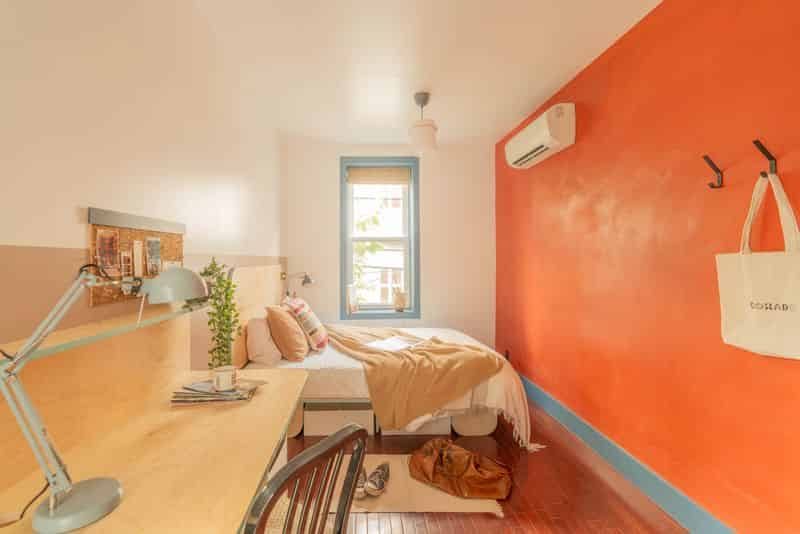
Housing costs in Rome depend heavily on distance from the university, property type, and lease conditions. Below are typical monthly rent ranges for a single room in a shared apartment, based on common market rates (indicative figures — always verify with the landlord or agency).
- Economy band (€350–€500): Rooms in shared flats in areas like San Lorenzo, Termini periphery, or slightly further out (e.g., along Metro Line B or bus routes). These often come with basic furnishings and shared bathrooms. Expect 15–30 minute commutes.
- Mid-range band (€500–€700): Larger rooms or studios in the same neighbourhoods, or a private room in a slightly better condition. Proximity to campus may be within 10–15 minutes walking.
- Premium band (€700+): Studios or one-bedroom apartments near the university or in central districts like Castro Pretorio or Nomentano. These offer independence and shorter commutes.
These are rough guidelines. Prices can spike during peak semesters (September–October, January–February) and drop in summer. Short-term rentals may cost 20–30% more than long-term leases. Always confirm the exact rent and included utilities before signing.
Walk vs. Transit Trade-off
Choosing between walking and using public transport involves evaluating your budget, schedule, and tolerance for crowds.
Walking distance (0–15 minutes): The area immediately around Sapienza — bounded by Viale dell’Università, Via Cesare De Lollis, Via Tiburtina, and Via Castro Pretorio — is dense with student flats. Walking saves time and money (no transit pass needed), and allows you to pop home between classes. However, rents are generally higher, and apartments in historic buildings may lack modern amenities (elevator, heating, soundproofing). Noise from traffic or bars can be an issue.
Transit commute (15–40 minutes): Using Metro Line B or buses, you can reach cheaper areas such as Pietralata, Rebibbia, or along the B1 branch (Jonio). A monthly transit pass for students (under 27, if eligible) costs around €35 (indicative — confirm with ATAC). The trade-off: you trade money for time and potential delays. During peak hours, buses and metro can be packed. If you have early morning or late evening classes, check service frequency — some lines run less often after 10 PM.
A pragmatic approach: look for housing within a 20-minute walk or a single metro ride (no transfers). This keeps your commute predictable and reduces daily hassle. For those on a tighter budget, targeting areas along Line B beyond Bologna or Monti Tiburtini can strike a balance.
Shortlist Logic: How to Choose a Residence Near Sapienza
While no specific list of nearby student residences is provided in this guide, you can apply the following logic to evaluate any property you find. The principles are based on the university’s location and typical student needs.
Step 1: Check distance to the main entrance (Piazzale Aldo Moro, 5). Use a mapping tool to measure walking time. Aim for 15 minutes or less if you prioritise convenience, or up to 30 minutes via transit if you prioritise lower rent.
Step 2: Verify transport links. Is there a Metro B stop (Policlinico, Castro Pretorio, Termini) within 500 metres? If not, check bus lines 83, 310, or 492 that stop near campus. Avoid neighbourhoods that require two bus transfers.
Step 3: Consider the neighbourhood’s services. Look for grocery stores, laundromats, and a pharmacy within walking distance. San Lorenzo offers many cheap eateries; Nomentano has upscale shops. Student hubs like San Lorenzo are louder but more social; residential areas like Valli are quieter but less lively.
Step 4: Inspect the lease terms. Many landlords require a minimum 12-month contract, although sublets or short-term rentals appear on student housing platforms. Be wary of contracts that require upfront payment of several months’ rent. Always request a written agreement in Italian (with an English translation if possible).
Step 5: Visit in person or request a video tour. Photos can be misleading. Check water pressure, Wi-Fi speed, and noise levels. Talk to current tenants if possible.
Step 6: Compare total monthly cost. Include rent, utilities (electricity, gas, internet, building fees), and transit pass if you don’t walk. A €500 room with a €35 pass might be cheaper than a €650 room within walking distance, but you lose time.
This systematic approach helps you shortlist options objectively, rather than relying on marketing language.
Frequently Asked Questions
1. How safe is it to walk around Sapienza at night?
The campus area is generally safe, but like any large city, take normal precautions. The San Lorenzo district has many students out late, but some side streets can be poorly lit. Walking in groups or sticking to main roads is advisable. Statistically, the area is no less safe than other central Roman neighbourhoods.
2. When should I start looking for housing for the 2026/2027 academic year?
Start your search at least 2–3 months before your intended move-in month (e.g., July for an October start). Peak demand occurs in September and October as international students arrive. Waiting until the last week may force you to overpay or accept far-flung accommodations.
3. Are there any student dormitories operated by the university or public bodies?
Sapienza does not directly own dormitories, but regional bodies such as Laziodisu offer limited subsidised housing for eligible students (based on income and academic merit). Applications are typically due by mid-year for the following academic year. The number of slots is limited, so consider private options as your main plan.
Data date: January 2027. All prices are indicative — confirm with the operator before committing.
See also: listing details · browse more