Understanding Kansas City’s Student Housing Landscape
Kansas City sits at the crossroads of the United States, straddling the border between Missouri and Kansas. For students planning to study in this metro area, finding suitable accommodation can be more nuanced than in coastal cities because the housing market is spread across multiple municipalities. According to the current platform data, there are 33 student‑housing properties listed, with a minimum monthly rent of 745 USD (indicative — confirm with the operator). That base figure offers a starting point, but the actual cost you pay will depend on location, room type, lease length, and included utilities.
The city’s student population is served by several universities and colleges, and the platform aggregates rentals that are typically within a reasonable distance of these institutions. Because the exact list of schools is not provided in this dataset, the following guide takes a practical approach: it focuses on commute patterns, neighbourhood characteristics, and general pitfalls that any student renting in Kansas City should be aware of. All prices mentioned are indicative and should be verified directly with the housing operator before signing any agreement.
Commute and Neighbourhoods
Kansas City is a car‑dependent metro area, but students without a vehicle can still manage using the RideKC bus system, the streetcar in the downtown core, and bicycle‑friendly routes. When choosing a neighbourhood, consider how you will travel to campus daily. The following commute logic applies across most of the city’s student‑housing inventory:
-
Downtown / Crossroads Arts District – These central areas have good access to the streetcar, bus lines, and walkable amenities. Properties here tend to be newer apartment buildings with higher rents, but the convenience of being close to multiple campuses makes them attractive. Travel time to most universities is 10–20 minutes by bus or bike.
-
Midtown / Westport – A popular corridor for students, Midtown offers a mix of older houses converted into shared rentals and mid‑rise apartment buildings. The area is served by multiple bus routes and is roughly 15–25 minutes from downtown campuses. Nightlife and grocery stores are within walking distance for many blocks. Rent levels here are generally moderate, often falling between the minimum 745 USD and 1,100 USD (indicative).
-
Plaza / Brookside – The Country Club Plaza area is upmarket and scenic, but it also hosts a number of purpose‑built student properties. It is accessible by bus and a short drive from most universities. Rent can climb above 1,200 USD (indicative) for a studio or one‑bedroom unit. Brookside, just south, offers more quiet residential streets and some shared houses.
-
North Kansas City / River Market – Across the Missouri River, North Kansas City has a growing inventory of rental units. The commute to downtown campuses can be 20–30 minutes by car or 40–50 minutes by bus. Rent tends to be slightly lower than downtown, but you need to factor in transportation costs.
-
South Kansas City / Waldo – Further south, near the Missouri–Kansas state line, these neighbourhoods have a suburban feel. They are best suited for students who have a car. Bus service is less frequent. Rent may be below the city average, but isolation from campus social life can be a trade‑off.
The platform lists 33 properties, and while no neighbourhood‑level breakdown is given, most student rentals cluster around the university‑adjacent zones described above. For the 2026–2027 academic year, start searching early if you want a spot in Downtown or Midtown because these areas see the highest demand.
Price Bands and Property Count
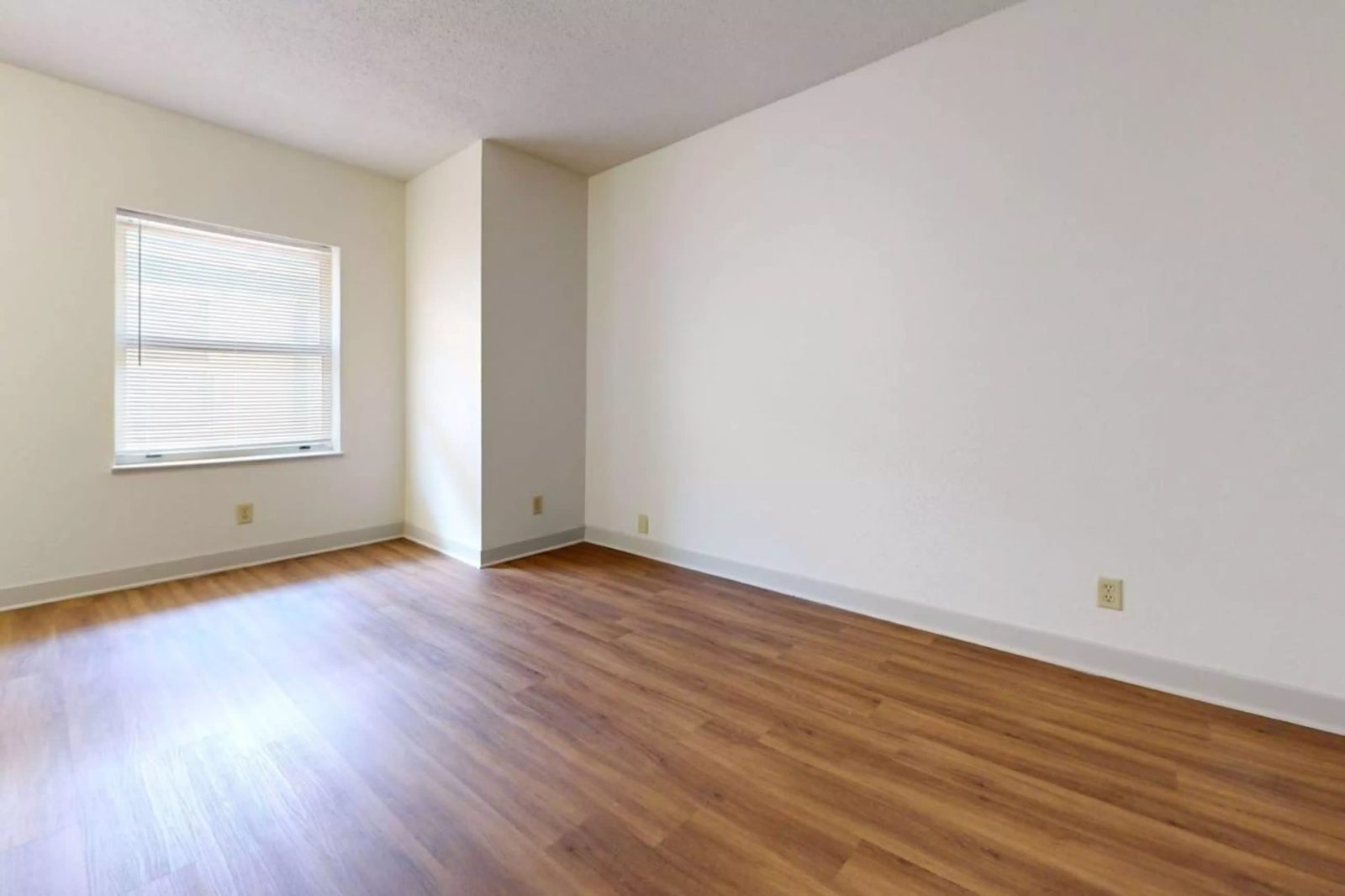
From the available data, we know the minimum price across all 33 student‑housing properties is 745 USD per month. This figure likely corresponds to a shared room or a small studio in an older building without many amenities. Because the dataset does not provide a maximum price or a distribution, we can only outline the general range you can expect based on common market patterns in Kansas City:
-
Under 800 USD – Very limited; you may find only a handful of the 33 properties at this level. These are typically rooms in older houses or small studios in less central neighbourhoods. Utilities may or may not be included. Indicative — confirm with the operator.
-
800 – 1,000 USD – A more populated band. Shared apartments, larger studios, and some one‑bedroom units fall here. Most of these properties are located in Midtown, South Kansas City, or North Kansas City. You often get a private room with shared kitchen and living space.
-
1,000 – 1,300 USD – This is where the majority of purpose‑built student apartments sit. You can expect a private studio or a one‑bedroom unit in a building with amenities such as laundry, gym, and sometimes parking. Locations include Downtown, Plaza, and Midtown.
-
Above 1,300 USD – The top end of the 33‑property pool. These are premium studios, one‑bedroom, or two‑bedroom units in new developments with all utilities and high‑end finishes. Most are within walking distance to campus or the streetcar line.
Since the count is only 33, the market is relatively small compared to large student cities. That means availability can tighten quickly during the peak leasing season (March–June for a July/August move‑in). Always confirm the exact rent and what it covers (water, electricity, internet) with the operator, as many listings quote base rent only.
How Universities Map to Local Areas
Even though no specific institution names appear in the dataset, Kansas City hosts several universities and colleges that draw students. Their campuses are spread across the metro, and the 33 student‑housing properties listed on the platform are likely situated to serve these schools. Based on the city’s geography, here is a general mapping:
-
Downtown / Hospital Hill – Home to the health science and medical school campuses. Students in these programmes tend to rent in Downtown, River Market, or the Crossroads. The streetcar and bus lines connect these areas well.
-
Midtown / Rockhurst area – Several colleges cluster around 51st Street and Troost Avenue. Properties in Midtown, Volker, and Hyde Park are within a 10‑minute walk or short bus ride. Many older houses in these blocks have been converted to student rentals.
-
South Kansas City / UMKC vicinity – The University of Missouri‑Kansas City’s main campus lies near the Plaza. This area has a high density of purpose‑built student apartments and shared houses. Most listings near 51st and Oak or 55th and Holmes fall into this catchment.
-
Overland Park / Kansas side – For students attending schools in Johnson County, Kansas, the properties tend to be in Overland Park or Mission. These are primarily suburban apartment complexes with on‑site parking.
If you are unsure which zone your institution belongs to, check the property’s description for commute statements. Many operators mention “walking distance to campus” or “minutes from the university” without naming the school — that is a clue.
Three Common Pitfalls to Avoid
1. Underestimating Lease Flexibility
Many student rentals in Kansas City run on 12‑month leases that start in August. If your programme lasts nine months or if you plan to return home for the summer, you could end up paying for an empty room. Some operators offer 9‑month contracts or allow subleasing, but not all. Before signing, ask: Is the lease term flexible? Can I sublease? What is the early termination penalty? The 33 properties listed may have different policies, so always read the lease carefully.
2. Ignoring Utility and Parking Costs
The indicative rent of 745 USD might not include electricity, gas, water, internet, or parking. In Kansas City, electricity bills can exceed 100 USD per month in summer due to air conditioning. Parking in central neighbourhoods can cost an additional 50–150 USD monthly. A property that appears cheap at 800 USD could end up costing 1,100 USD once you add mandatory fees. Ask the operator for a full breakdown of one month’s total charges before you commit.
3. Overlooking Commute Reliability
While Kansas City has public transit, service frequency drops on weekends and evenings. A bus route that runs every 15 minutes during peak hours might run every 45 minutes after 7 PM. If you have evening classes or weekend labs, you may need a car or rideshare. Check the bus schedule for your specific commute — not just the daytime frequency — and factor in the cost of a car or Uber. The property’s distance to campus in miles can be misleading if the transit connection is poor.
Booking Calendar for 2026–2027
Securing a student property in Kansas City follows a seasonal pattern. Use this timeline to stay ahead:
-
September 2025 – December 2025 – Early research. Browse the 33 listed properties to understand pricing and layout. Many operators release leases for the next academic year in early spring, but you can already enquire about waiting lists or early bird offers.
-
January 2026 – March 2026 – Peak enquiry period for August 2026 move‑ins. Start contacting operators, especially for popular buildings in Midtown and Downtown. Request virtual tours if you cannot visit in person. Confirm whether the rent you see includes utilities.
-
April 2026 – June 2026 – Signing window. By now, most properties have started leasing for the 2026–2027 year. Availability shrinks as the summer approaches. If you have a specific budget (e.g., under 900 USD), act quickly.
-
July 2026 – August 2026 – Last‑minute scramble. Some properties still have vacancies, but the cheapest units are usually gone. You may need to compromise on location or amenities.
-
September 2026 onward – Rolling leases for spring semester. If you miss the fall cycle, some operators offer leases starting in January 2027. However, the 33‑property count may be even lower in off‑season.
Important: All dates above assume a typical fall semester start. If your programme begins in spring 2027, shift the calendar by six months. Always confirm with the landlord or platform for exact availability.
Frequently Asked Questions
Q1: Are utilities included in the 745 USD minimum rent?
Not necessarily. The 745 USD figure is the lowest listed monthly rent among the 33 properties. Some all‑inclusive units exist, but many charge separate utilities. You must confirm with the operator what is covered — typically water and trash might be included, while electricity and internet are extra. Always ask for a sample month’s total cost.
Q2: How far in advance should I book for the 2026–2027 academic year?
For the best selection, start looking in January 2026 and aim to sign a lease by May 2026. The 33‑property inventory is small, so desirable units near downtown campuses can be leased by April. If you wait until July, you will have fewer choices, though last‑minute cancellations sometimes open up rooms.
Q3: Can I find housing for less than 745 USD?
The platform data shows 745 USD as the minimum. It is possible that private sublets or rooms not listed on this platform exist for less, but you would need to search local classifieds or university bulletin boards. Even then, expect rents to be close to 700–750 USD for a private room in an older shared house. The 745 USD figure is indicative — confirm with the operator whether any lower‑priced options are available.
Q4: Do many student properties offer short‑term (6‑month) leases?
Short‑term leases are uncommon but not impossible. Among the 33 properties, most likely favour 12‑month contracts to minimise turnover. You can ask about 6‑month options during the booking process, but be prepared to pay a premium — operators may charge 10–20 % more per month for shorter terms. Alternatively, consider subleasing from a student who is leaving for a semester.
Data sourced from the platform listings as of early 2026. All prices are indicative and subject to change. Confirm with the housing operator before making any financial commitment.
See also: listing details · browse more