What Campus Reviews Reveal About Wuhan University
Wuhan University’s Google rating of 4.5 (based on 243 reviews) reflects a consistently positive on-campus experience, though reviewers’ comments offer practical clues for students searching for nearby housing.
The cherry blossom season (late March) is a recurring theme. Reviewer “Rico Tumin” (5 stars) says: “Such a beautiful place to walk around and take photos! Coming during the cherry blossom time is amazing. Make sure to say hi to the cats as well over by the student dormitories.” This highlights two housing‑relevant points: (a) the campus becomes exceptionally crowded during the blossom period – living close enough to walk means you can enjoy the scenery without battling tourist traffic; (b) student dormitories are mentioned, suggesting on‑campus housing exists but may be limited, reinforcing the need for off‑campus options.
Another reviewer, “willsonlee” (5 stars), notes “Sakuras in this university bloom around late March every year. You can have great view on top of the buildings near the trees.” That vantage point implies that some campus buildings are elevated – a detail to consider if you value green views from your apartment window.
“Antony Li” (4 stars) calls it “The best university in Wuhan. Particularly its Sakura blossom season in every March touts thousands of tourists.” The tourist influx affects local traffic and noise levels; students who prefer quieter surroundings might look for housing a bit farther from the main campus entrance.
The one moderately lower review (3 stars) from “J C” mentions “I originally wanted to go to Wuhan University to see the cherry blossoms, but I couldn’t make a reservation online.” This is a reminder that campus access (especially during peak season) may require reservations – something to keep in mind if you plan to live outside the campus perimeter and commute daily.
Overall, the reviews paint a picture of a scenic, busy campus with strong seasonal tourist pressure. Housing decisions should account for both the beauty of the environment and the practical disruptions of high visitor volume.
City Context: Living in Wuhan
Wuhan, the capital of Hubei province, is a major transportation hub in central China. The city is divided by the Yangtze and Han rivers into three main districts: Wuchang (where Wuhan University is located), Hankou, and Hanyang. Wuchang has a dense concentration of universities, giving it a youthful, student‑friendly atmosphere with many affordable eateries, study cafes, and bookstores.
Public transport is extensive – the Wuhan Metro (18 lines as of 2025) connects most parts of the city, and buses are frequent. The university is served by Line 2 (街道口站 / Jiedaokou Station) and several bus routes. Taxis and ride‑hailing apps are widely available.
Climate: Wuhan is known for hot, humid summers (often above 35°C) and chilly winters (around 0–10°C). Spring and autumn are mild but short. Air conditioning and heating are essential considerations when choosing a rental.
Cost of living in Wuhan is moderate compared to Beijing or Shanghai. Monthly expenses for a single student (excluding rent) typically range from 1,500 to 2,500 RMB for food, transport, and utilities. Rent is the largest variable.
Budget Bands for Student Housing (2026/2027)
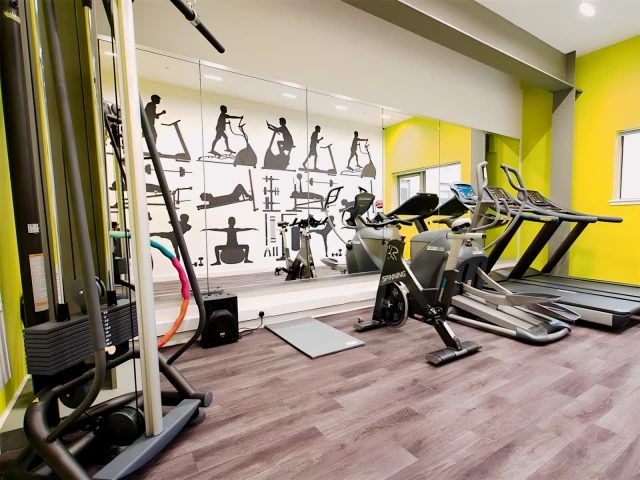
Rental prices around Wuhan University vary by distance, room type, and building age. The following bands are indicative – confirm with the operator or landlord before signing any contract.
- Shared accommodation (dorm‑style or apartment share): 800–1,500 RMB per month per person. Usually a room in a multi‑bedroom apartment with shared kitchen and bathroom. Common in older residential compounds within 1–2 km of campus.
- Studio or one‑bedroom apartment (独立单间): 1,800–3,000 RMB per month. More privacy, often found in purpose‑built student housing or newer apartment blocks closer to metro stations.
- Two‑bedroom or larger apartment (for two or three people): 3,000–5,000 RMB total per month. Splitting rent with flatmates can be cost‑effective; per‑person cost falls to 1,000–2,500 RMB.
- Premium / international‑standard housing (serviced apartments or compounds with gym, swimming pool): 4,000–8,000 RMB per month. These are farther from campus (often 30+ minutes by metro) and targeted at faculty or higher‑budget students.
All prices are indicative for 2026/2027 and subject to change. Always verify the final amount with the property operator.
Walk vs. Transit: Choosing Your Location
Wuhan University’s main campus is large – walking from one gate to the other can take 30–40 minutes. Therefore, “walking distance” depends on which gate and which faculty building you need to reach.
Walking (within 1 km of campus):
Living in the neighbourhoods directly north and west of the university (around the 街道口 / Jiedaokou commercial area, 广八路 / Guangba Road, or 八一路 / Bayi Road) means you can walk to class in 5–15 minutes. The trade‑off is higher rent and more noise from traffic and tourists, especially during cherry blossom season. The advantage is convenience – you can go home for lunch, avoid crowded metro rides, and easily participate in evening campus activities.
Transit‑dependent (2–5 km from campus):
Renting a bit farther (e.g., near 中南路 / Zhongnan Road, 楚河汉街 / Chuhe Hanjie, or along Line 2 towards 光谷 / Optics Valley) lowers rent by roughly 15–30% compared to the immediate campus vicinity. A metro trip to campus takes 15–25 minutes plus a short walk from the station. You lose the ability to pop home between classes but gain a quieter living environment and often larger apartments. The city’s metro network is punctual and well‑maintained, so daily commuting is reliable.
Special case – living near other campus gates:
The university has several gates. The main (south) gate faces 珞珈山路 / Luojia Shan Road, while the east gate is near 东湖南路 / East Lake South Road. If your faculty is located near a particular gate, it makes sense to search for housing near that specific entrance rather than assuming any “near campus” location works.
Early‑morning and late‑evening access:
Campus security may restrict entry after certain hours. If you plan to study late in the library, check whether the gate nearest your home remains open 24/7. Some side gates close at 11 p.m., forcing a longer walk to the main gate.
Shortlist Logic: How to Select a Residence
Because no pre‑curated list of nearby residences is provided here, you can apply the following logic when evaluating any student‑housing listing near Wuhan University.
-
Verify distance to your classroom building. Use mapping apps (e.g., Amap or Baidu Maps) to calculate walking time from the apartment to your actual lecture hall, not just to the campus perimeter. A 10‑minute walk to the main gate may turn into 25 minutes if the building is deep inside the campus.
-
Check lease terms and deposit policies. Many landlords require a “three months rent + one month deposit” upfront. Ask whether the tenancy can be for one semester (4–5 months) or only full academic year (10–12 months). Subletting should be clarified in writing.
-
Utility costs and internet. In shared apartments, utilities (water, electricity, gas) are usually split evenly. Some landlords include a cap; exceeding it costs extra. Internet (宽带) installation may be arranged by the landlord or left to you – factor in 50–100 RMB per month.
-
Noise and tourist season. Apartments facing 珞珈山路 or 八一路 can be noisy from traffic and tour buses, especially March–April. Consider double‑glazed windows or a unit higher than the 5th floor.
-
Safety and security. Look for buildings with 24‑hour security (保安), CCTV cameras in hallways, and a secure entry system. Fire extinguishers and emergency exit signs are legally required; check they exist.
-
Surrounding amenities. Nearby supermarkets, convenience stores, pharmacies, and affordable restaurants save time. The 街道口 commercial zone has a large Wushang Shopping Center, a Carrefour supermarket, and hundreds of food stalls.
-
Public transport stops. If you rely on the metro, measure the distance to the nearest station entrance (not just the name of the station). A 5‑minute walk to 街道口 Station is ideal; a 15‑minute walk may still be acceptable but leaves you less flexible in bad weather.
-
Reviews from previous tenants. If the rental platform or landlord provides references, contact them. Check Google Maps or local review sites (e.g., Dianping) for the building or complex. Beware of overly glowing reviews posted by property managers.
-
Shared facility conditions. For shared apartments, check the kitchen, bathroom, and washing machine. A mouldy bathroom or a clogged kitchen sink is a red flag. Visit in person or request a live video tour.
-
Contract transparency. Have the lease reviewed by a Chinese‑speaking friend or the university’s international student office. Do not pay any deposit before the contract is signed and countersigned.
Frequently Asked Questions
How early should I start looking for housing near Wuhan University?
Most students begin searching 2–4 weeks before the semester starts. If you are arriving for the fall semester (early September), start browsing listings in mid‑August. For the spring semester (late February/early March), begin in late January. However, cherry blossom season in late March means many short‑term rentals are booked by tourists – avoid committing to a lease that starts exactly March 20 unless you have secured a long‑term arrangement.
Is it cheaper to live on campus or off campus?
On‑campus dormitories (if available to international students) typically cost 1,000–2,000 RMB per semester, which is far cheaper than off‑campus apartments. However, dormitory spaces are limited, and you may only be offered a spot for the first year. Off‑campus housing offers more privacy and freedom but will likely cost at least 800 RMB per month in a shared arrangement. The answer depends on your budget and the housing office’s allocation for your year.
What should I do if I cannot reserve a campus cherry blossom reservation but I live nearby?
If you live within walking distance to a campus gate, you can still enter the campus without a reservation on most regular days. The reservation system only applies to the cherry blossom viewing area during peak blooming (usually the last week of March). Outside that period, campus access is free. For the peak days, either arrange a reservation in advance (often through WeChat mini‑programs) or visit early in the morning before crowds arrive. Living nearby allows you to be flexible with timing.
See also: listing details · browse more