Why Location Matters: What Campus Reviews Reveal
When choosing housing near Université Paris-Saclay, it helps to understand what current students and visitors say about the area. The campus itself receives a Google rating of 4.2 out of 5 from 172 reviews, and several comments highlight both strengths and weaknesses that directly impact where you might want to live.
A reviewer named A.S. Totoro described the university as “Excellent university near parks and restaurants,” giving it 5 stars. This suggests the immediate surroundings offer green spaces and dining options. Another 5-star review from Giraud Sandrine calls it “vibrating scientific pole surrounded by beautiful villages and woods,” which points to a more rural, calm environment — a contrast to central Paris.
On the other hand, a 1-star review from Nishat Tasneem Mahmud complains about an admissions process for a specific program, noting that they felt unfairly rejected. While this is an administrative issue rather than a housing complaint, it reminds us that the university is large and sometimes impersonal, so living in a place where you can quickly reach administrative offices or meet with peers may reduce stress.
Takeaway from reviews: the campus is situated in a semi-urban, park-like area that is quiet but not isolated. Housing options nearby need to balance access to nature with access to daily amenities.
City Context: Gif-sur-Yvette and the Paris-Saclay Cluster
Université Paris-Saclay is located at 9 Rue Joliot Curie, 91190 Gif-sur-Yvette, about 25 km southwest of central Paris. The town is part of the Paris-Saclay technology and research cluster, which hosts many engineering schools, labs, and companies. This means the area has a relatively young, academic population and a number of services tailored to students.
The nearest major transport link is the RER B line, which runs from Saint-Rémy-lès-Chevreuse through Gif-sur-Yvette to central Paris (stations like Châtelet–Les Halles take about 35–45 minutes). Buses also connect the campus to Orsay and Massy. For daily life, small shops, bakeries, and a few supermarkets are within walking distance of the university, but for wider shopping or entertainment you may need to travel to Orsay or Massy.
Given that the campus is not in the dense Paris city centre, the housing market here is less expensive than in central Paris but still higher than in many smaller French cities. Students typically choose between lodging in Gif-sur-Yvette itself, in neighbouring towns like Orsay or Bures-sur-Yvette, or farther out along the RER B line.
Budget Bands (Indicative Prices — Confirm with the Operator)
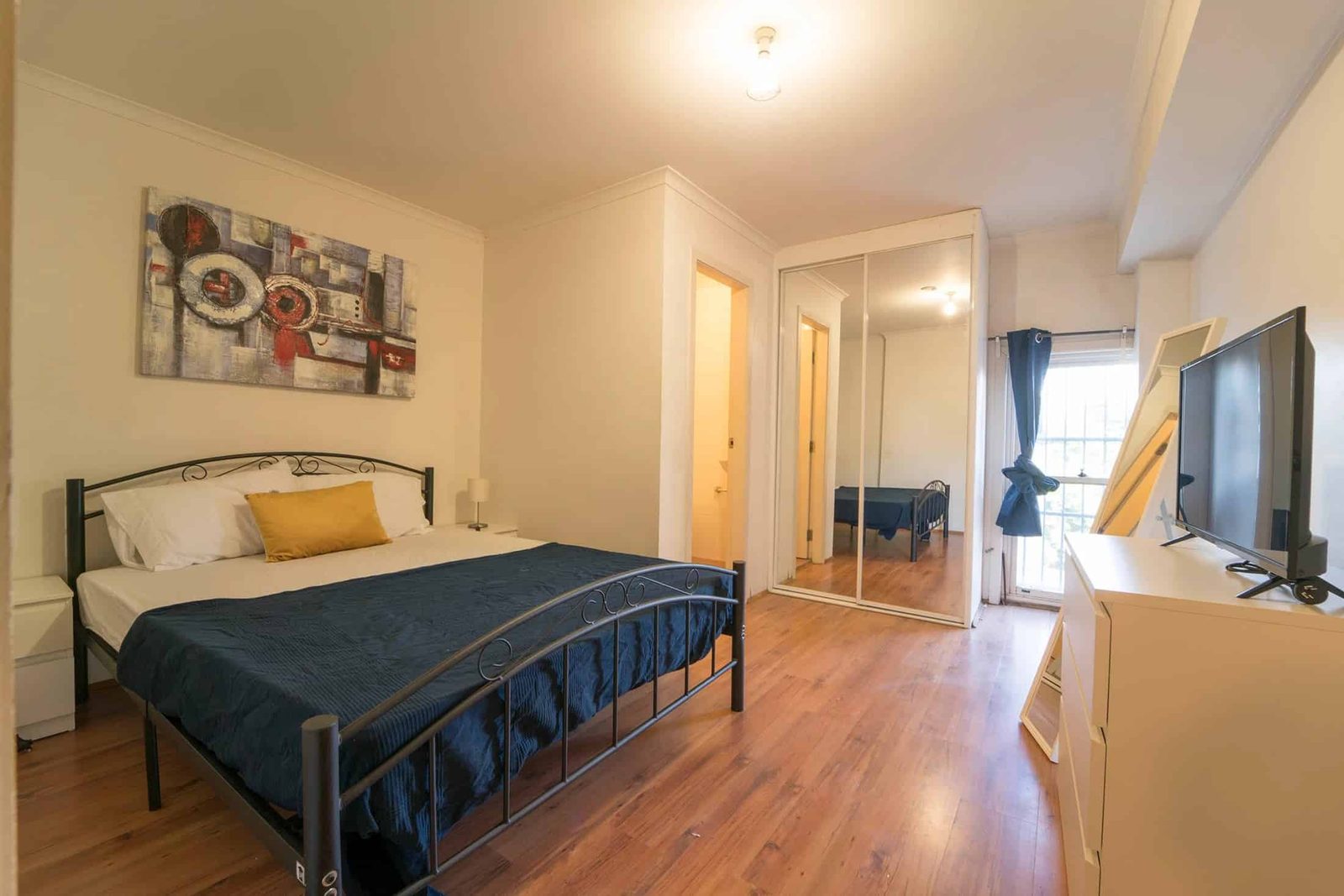
All prices below are indicative for the 2026–2027 academic year and may vary by property, season, and contract length. Always verify with the accommodation provider.
- Budget share (room in shared flat): €400–€600 per month. Often found in older houses or apartment shares in Gif-sur-Yvette or Orsay. Utilities may be separate. Availability can be limited.
- Private studio (small, 18–25 m²): €550–€800 per month. Typical for private student residences or independent studios in the area. Price tends to be lower if the property is slightly farther from campus.
- One-bedroom flat (T2, 30–40 m²): €700–€1,000 per month. Less common around campus; more available if you look in Massy or along the RER line.
- Student residence (managed by public or private operators): €450–€750 per month. Studios or shared apartments with services like laundry, internet, and sometimes a cafeteria. These are common in the Paris-Saclay cluster and often include utilities.
Keep in mind that rent in France typically includes water and sometimes building charges but rarely electricity or heating. A budget of €150–€250 per month for food, transport, and other living costs is realistic for this area.
Walk vs. Transit Trade-off
The key decision is how close you want to live to the main campus at Gif-sur-Yvette.
Walking distance (under 15 minutes on foot)
Residences within a 1 km radius of the university let you walk or bike to class without relying on public transport. This saves time and money (no RER pass for the local commute) and fits the “near parks” atmosphere mentioned in reviews. The trade-off: fewer restaurants and shops, and a quieter social life. Accommodation options are limited and prices may be slightly higher due to convenience.
Transit-dependent (10–25 minutes by RER or bus)
Living in Orsay (one RER stop away), Bures-sur-Yvette, or even Massy gives you a wider choice of apartments and often cheaper rent. You buy a monthly Navigo pass (about €85 for zones 1–5 as of 2025, but check 2026 rates) and spend 15–30 minutes each way to campus. The benefit is easier access to Paris for weekends and more diverse housing stock. The downside: early-morning or late-evening transport can be less frequent, and you will need to account for delays.
Car or bicycle
Some students use bikes to cover the 2–3 km from Orsay station to the campus, combining cheap rent with a short ride. Car parking on campus is limited, so driving is not recommended unless you have a guaranteed spot.
Shortlist Logic for Choosing a Residence
Without knowing specific property names, here is the reasoning you can apply to any nearby residence list:
- Set a maximum commute time – Decide whether you are willing to spend 30+ minutes door-to-door. If not, restrict search to Gif-sur-Yvette or the immediate Orsay area.
- Check proximity to RER B stations – If commuting, the ideal is a residence within 5–10 minutes’ walk of a station (Gif-sur-Yvette, Orsay-Ville, Bures-sur-Yvette). Buses are less reliable but can work for the last mile.
- Prioritise quiet but connected areas – The campus sits in a “beautiful villages and woods” setting, so avoid properties directly on a main road if noise is a concern. Look at perpendicular streets or newer residences built near the science park.
- Compare included services – Many student residences offer furnished studios, internet, and a common room. This can reduce upfront costs compared to renting a unfurnished flat through a private landlord.
- Read recent reviews of the specific residence – Look for comments about maintenance, security, and how well the management handles issues. The university itself has mixed reviews about administrative responsiveness, so independent feedback matters.
- Consider the term length – If your programme is 9 months (September to May), some summer-only rental deals may exist, but confirm that the lease matches your academic calendar.
Frequently Asked Questions
1. How far in advance should I look for housing near Université Paris-Saclay?
Most leases start in September for the academic year. Begin searching in April–June for the best choice. The CROUS and private residences often open applications in May or June. For shared flats, listings appear on platforms from July onward, but supply shrinks quickly in August.
2. Is it cheaper to live in Gif-sur-Yvette or in central Paris?
Gif-sur-Yvette is significantly cheaper than central Paris. A studio that costs €800 here might cost €1,200 in Paris’s 5th or 6th arrondissement. However, you will need a transport pass to both reach campus and occasionally go into Paris for leisure. Weigh the total rent + transport cost.
3. Can I get a room in a university residence if I am an international student?
International students are eligible for CROUS residences, but demand is high. You must apply through the French online platform (often “Dossier Social Étudiant”) by May or June. Many private student residences also accept international students without a French guarantor, though you may need a bank guarantee or international guarantee service.
Data updated: February 2026
See also: listing details · browse more