What Campus Reviews Reveal About Student Life at Western University
Student reviews on Google (4.4 stars from 1,244 reviews) consistently highlight Western University’s strong academic environment, supportive professors, and beautiful campus. These factors directly affect where students choose to live and what they prioritise in housing.
One reviewer, William Nother, shared:
“I was fortunate to be accepted to Western as a part time mature student. I was 31 and it was the 90s so it was an incredible leap of faith for them. I worked the afternoon shift for Canada Post so I was lucky to attend most of my classes during the day. I remember telling a coworker that Canada will” (truncated from original).
Another, Yunxuan Zhang, an international student, wrote:
“I am an international student of BSc and I have been here since 2021. I always personally enjoy a very good academic environment, whatever professors or classmates. The professors at my department always show great patience and kindness to every student and never did I see any irresponsible instruct” (truncated from original).
Matthew Badali added:
“My experience at Western University was exceptional and second to none. I took courses in a variety of disciplines including psychology, business administration and marketing, and I was very impressed by the professors who are some of the world’s leading minds in their various fields-of-study. I wou” (truncated from original).
Finally, JS Crocker noted:
“Beautiful campus, Great hospital and staff. Excellent Dental program..”
These reviews suggest students value academic quality, professor engagement, and campus aesthetics. For housing, this means proximity to campus, quiet study environments, and access to campus facilities are likely priorities. The positive feedback also implies that the surrounding neighbourhoods should offer a safe, community-oriented atmosphere that supports academic life.
City Context: London, Ontario
Western University is located at 1151 Richmond St, London, ON. London is a mid-sized city in southwestern Ontario with a population of roughly 400,000. It is known for its lower cost of living compared to Toronto or Vancouver, making it an attractive option for students seeking more affordable housing. The city has a public transit system (London Transit Commission) that connects the university to residential areas, downtown, and shopping districts.
Key facts about London for students:
- Transportation: Bus routes run frequently along Richmond Street, Wharncliffe Road, and Oxford Street. Many students walk or cycle if they live within a 2–3 km radius of campus.
- Amenities: The university area has grocery stores, restaurants, cafes, and pharmacies. Downtown London is about a 15-minute bus ride from campus.
- Weather: London experiences four seasons, with cold winters and warm summers. Housing with good insulation and heating is important.
- Safety: The university neighbourhood (Old North) is considered safe, but students should check crime maps and lighting when choosing a street.
The city’s size means students can choose between living within walking distance of the “Bubble” (the campus core) or taking transit from more distant, possibly cheaper, areas.
Budget Bands for Student Housing
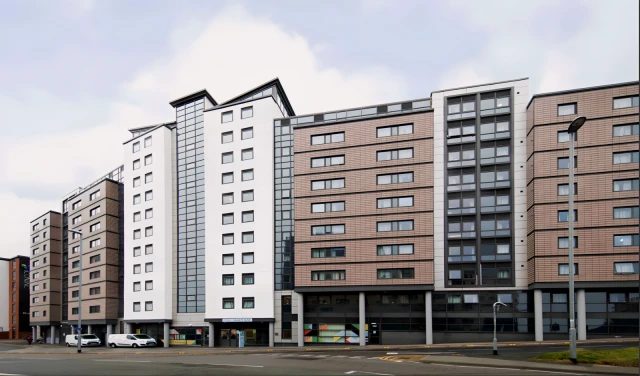
Rental prices in London vary widely depending on distance from campus, property type (apartment, house, basement unit), and whether the unit is furnished or includes utilities. The following are indicative ranges – confirm with the operator before making any commitment.
- Shared house within 1–2 km of campus: Typical monthly rent per room ranges from CAD 600 to CAD 900, sometimes including utilities. This is the most common option for undergraduate students.
- Studio or one-bedroom apartment near campus: Monthly rent from CAD 1,100 to CAD 1,500, depending on condition and location. Often unfurnished, so factor in moving costs.
- Two-bedroom or three-bedroom apartment (split cost): Per person can be CAD 700–1,000, with more privacy than a shared house.
- Basement apartments: Often cheaper (CAD 500–800) but may have limited natural light and fewer windows – check for egress windows and heating.
- Campus dormitories (operated by the university): Typically cost CAD 9,000–13,000 per academic year for a room plus meal plan. Not detailed here as this guide focuses on off-campus options, but many students transition to off-campus after first year.
All figures are indicative – confirm with the operator. Rent tends to increase annually, and availability changes quickly in the spring and summer months leading up to September.
Walk vs. Transit Trade-off
The decision between walking distance and taking transit depends on your schedule, tolerance for cold weather, and budget.
Walk (within 15–20 minutes of campus):
- Areas: Old North, downtown core (Richmond Row east side), parts of Soho neighbourhood.
- Advantages: No bus pass needed; flexibility for late-night library sessions; easier to attend events; higher resale value for the room if you sublet.
- Disadvantages: Higher rent; less space; older buildings may lack modern amenities; street parking is limited.
Transit (longer commute, lower rent):
- Areas: South London (Wonderland Road, Oxford Street West near Cherryhill), West London (Beaverbrook area), or East London (Highbury Avenue).
- Advantages: Larger and newer apartments; sometimes quieter neighbourhoods; free parking if you have a car.
- Disadvantages: Bus frequency may be every 15–30 minutes; winter delays; early morning or late evening classes require careful planning; a monthly bus pass costs approximately CAD 90 (indicative – confirm with operator).
- Trade-off: The savings on rent (perhaps CAD 200–300 per month) may be partly offset by transit costs and extra commute time (20–40 minutes one way).
Most upper-year and graduate students eventually choose a compromise: live 10–15 minutes by bike or bus from campus, in a slightly less expensive area with good bus connections, such as the Masonville area north of campus. The London Transit Commission has a Student Bus Pass program (cost included in the student fee for full-time undergraduates at Western, valid for unlimited use from September to April). Check the latest details with the university – this can make transit essentially free during the academic year.
Shortlist Logic for Choosing Housing
When evaluating specific residences, consider the following three-step logic:
- Define your must-haves based on the campus reviews: students value quiet study, professor accessibility, and a beautiful environment. Therefore, look for apartments or shared houses that are:
- In a quiet, well-maintained building or street.
- Within a 20-minute walk or a 10-minute bus ride to your faculty building (varies by department).
- With reliable heating and soundproofing (common complaints in older London buildings).
- Check the rental market’s standard offerings (no specific property names; general types):
- Apartment buildings (e.g., high-rise or mid-rise) often have on-site laundry, security, and fixed lease terms. They suit students who want lower maintenance and predictable costs.
- Shared houses are cheaper but may have variable utility bills, less privacy, and older appliances. Check the lease for shared expenses and banded rent.
- Basement apartments can be affordable but verify legal egress windows, insulation, and the number of above-grade windows – some lack natural light.
- Use the city context to filter:
- Proximity to bus routes 6, 13, 20, or 26 (which serve the university).
- Distance to grocery stores (e.g., No Frills, Food Basics, or Loblaws).
- Check Google Maps walking time to your actual class building (Social Science Centre, Natural Sciences, etc.) – not just the campus edge.
No specific residence names are listed because independent student-housing platforms often provide dynamic listings. Your shortlist should include 3–5 options that meet your budget and walk/transit tolerance. Visit in person or do a virtual tour (if possible) before signing a lease. Ask about utility caps, lease break clauses, and whether the unit has a smoke detector and carbon monoxide alarm – these are legally required in Ontario.
FAQ about Student Housing near Western University
1. When is the best time to sign a lease for the academic year starting in 2026 or 2027?
Most off-campus leases in London start on May 1 or September 1, with some offering 12-month terms. For September entry, begin searching in February or March of the same year. By April, many desirable apartments near campus are already rented. For a January start, look in October or November. Confirm dates with operators – the market moves quickly.
2. Can international students rent without a Canadian credit history? What documents do they need?
Yes, many landlords accept international students. Typical requirements include: passport, study permit, proof of enrolment from Western University, and a security deposit (often first and last month’s rent). Some landlords may ask for a guarantor who is a Canadian resident, or accept a larger deposit. Prepare a rental resume and references (if you have previous landlord references from your home country). Avoid paying through unsecured links – use certified cheques or e-transfers with a trusted party.
3. Is it cheaper to live alone or share with roommates?
Sharing is almost always cheaper per person. A shared house near campus rents at CAD 600–800 per room, whereas a solo room in a studio or one-bedroom apartment runs CAD 1,100–1,500. However, sharing means less privacy, possible conflicts over cleaning and noise, and shared liability for the lease. If you are a mature student (like William Nother in the review), you may prefer a quieter, private unit even if it costs more. Reviewers note that professors are patient and the environment is supportive – a peaceful home supports that.
Data sourced from Google reviews and public records as of 2025–2026. All rental prices are indicative – confirm with the operator before making a decision.
See also: listing details · browse more