Housing near the University of New Brunswick: what to know for 2026/2027
The University of New Brunswick (UNB) is the oldest English-language university in Canada, with its main campus in Fredericton. Based on 151 Google reviews (average 4.3 stars) and a QS World University Ranking of 622 (2025 data), UNB offers a mix of strengths and challenges that affect where students choose to live. Here is a neutral, factual guide to finding housing near the Fredericton campus for the 2026–2027 academic year.
What campus reviews reveal
Student reviews capture a university with notable scale and uneven teaching quality. One five-star review by Scott Jones (3 weeks ago) says: “This is a first class university! I went here and would do it again!” — suggesting a positive overall experience for some. Another reviewer, Sheena Ramas (3 months ago), notes the campus size: “This university is so big that you will be needing car to roam around. But if you love to walk, this is the place you can go around to.” That comment hints at a trade-off between car dependence and walkability, which directly affects housing choices.
However, a two-star review by sinavy tsunami (2 months ago) points to academic concerns: “There’s a HUGE brain drain in New Brunswick; some professors don’t really care (I had one not show up for the first WEEK due to a ‘prior commitment?’ His attendance was generally very spotty), and some are more than old enough to retire. Sometimes the quality of education was very low.” This critique suggests that housing decisions might also be influenced by the local job market (brain drain) and reliability of instruction — though unrelated to rental prices, it may affect a student’s willingness to commit to a long lease.
A fifth reviewer, Dee Suibhne (a month ago), thanks the university for hosting Unified Basketball tournaments, indicating active campus-community events. For a housing seeker, campus vibrancy can improve the liveability of nearby neighbourhoods.
City context: Fredericton
Fredericton is the capital of New Brunswick, with a population around 60,000 (metro area ~110,000). It is a relatively small, student-friendly city where the university is integrated into the downtown area. The main campus is located at 3 Bailey Drive, just south of the Saint John River. Housing options range from on-campus residences to off-campus apartments, houses, and shared accommodations within a few kilometres of campus.
Fredericton’s rental market is less competitive than in Toronto or Vancouver, but vacancy rates have been tightening across Canada in recent years (indicative — check current local reports). Many students rely on walking, cycling, or public transit (Fredericton Transit) to get to campus. Car ownership is common among upper-year students, partly because of the campus’s spread and limited high-frequency bus routes outside peak hours.
The city offers a fairly low cost of living compared to larger Canadian cities, though grocery and utility costs are consistent with national averages. The local job market is dominated by government, education, and healthcare, which partially explains the “brain drain” noted in the review.
Budget considerations (indicative — confirm with the operator)
Rental prices in Fredericton for the 2026/2027 year are expected to stay moderate relative to the Canadian average, but specific figures vary widely by property type and location. When planning a housing budget, consider:
-
On-campus residences – UNB operates several residence halls and apartment-style buildings. Costs typically include a meal plan for traditional residences. Waitlists can be long; apply early. Prices (indicative — confirm with the operator) range from approximately CAD 7,000 to CAD 10,000 per academic year for a double room, and higher for singles or suites. Check the university’s housing office for exact 2026/2027 rates.
-
Off-campus rental – One-bedroom apartments near campus (within 1–2 km) usually rent for … (indicative — confirm with the operator). It is not possible to provide an exact figure from the given data; students are advised to browse local listings such as Kijiji, Facebook Marketplace, or the university’s off-campus housing portal for current prices. Typical lease terms run 12 months (September to August), but some landlords offer 8-month leases for students.
-
Shared housing – Renting a room in a house or apartment with other students is common. Room rates (indicative — confirm with the operator) are generally lower than a one-bedroom unit but require careful vetting of roommates and lease terms.
-
Utilities and extras – Not all rentals include heat, electricity, internet, or laundry. In winter, heating costs can be significant (another CAD 100–200 per month). Factor these into your total budget.
Walk versus transit trade-off
The campus review mentioning the need for a car reflects a real trade-off for students living further from academic buildings. Here is a breakdown:
-
Walking distance (0–1.5 km from Bailey Drive) – Neighbourhoods like downtown Fredericton (south side) and parts of the north side (across the river via walking bridge) offer a 10–20 minute walk to main buildings. Walking is free and reliable, but the campus is large — some lecture halls require another 10-minute walk from the outer edge. Good for students who don’t mind moderate daily walking.
-
Cycling – Fredericton is relatively flat and bike-friendly, with some dedicated lanes. A used bicycle costs CAD 200–500. Lock it securely; theft is a concern. Cycling can cover a 3–4 km radius (e.g., from the north side or near the Regent Mall area) in about 15–25 minutes.
-
Public transit (Fredericton Transit) – Buses run on several routes serving the university (Routes 10, 11S, 13S, 16S, etc.). A monthly U-Pass (included in tuition for full-time students) provides unlimited rides. Buses are generally reliable on weekdays until about 10 p.m., but intervals can be 30–60 minutes on weekends and evenings. Live further out (e.g., Hanwell, Lincoln) and you may face long wait times.
-
Car – The reviewer who said “you will be needing car to roam around” may have been referring to the difficulty of crossing the campus quickly or accessing retail areas. Having a car expands housing options to suburban areas (e.g., Nashwaaksis, Silverwood) where rents are slightly lower, but you pay for parking (on-campus permits are limited and cost a fee — indicative — confirm with the university). Gas and insurance add to monthly costs.
Short-term recommendation: for a first-year student without a car, look within a 20-minute walk or a 15-minute bus ride from campus. For upper-year students or those with reliable transportation, a 5–10 minute drive (or 3–4 km radius) provides more choices.
Shortlist logic: how to choose among nearby residences
When reviewing available housing options near UNB, use the following checklist to narrow down a shortlist. (The given data does not include specific nearby residences; therefore this logic is based on general best practices for Fredericton.)
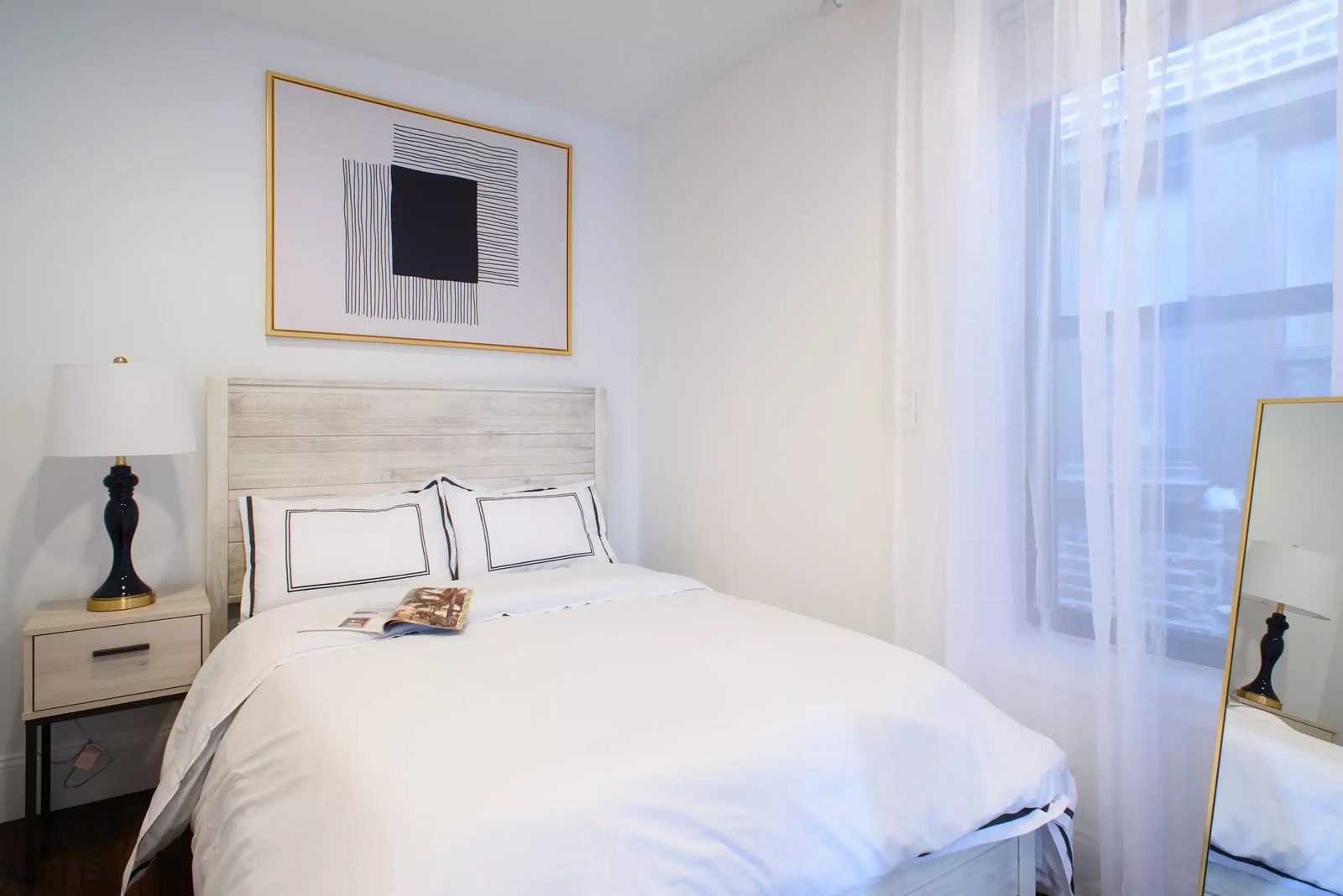
-
Distance to class buildings – Pinpoint where your core classes are (e.g., around the Marshall d’Avray Hall, the Kinesiology building, or the Keirstead Hall). Use a map and check walking time, not just straight-line distance. Some “walkable” apartments may still leave you a 20-minute cross-campus trek.
-
Bus route reliability – If you plan to use the bus, check the route number and frequency. The university’s U-Pass covers all routes, but some neighbourhoods have hourly service. Ask the landlord or previous tenants about actual wait times.
-
Lease type and timing – Many rentals in Fredericton start September 1. If you are arriving in January (winter term), sublets or month-to-month rentals are more common. Avoid signing a 12-month lease in June if you plan to leave in April (unless you can sublet).
-
Utilities included – Confirm whether heat, electricity, water, internet, and parking are included or separate. In winter, heating costs can spike. If utilities are not included, ask the landlord for the average monthly cost from the previous tenant (indicative — confirm with the operator/landlord).
-
Safety and neighbourhood – Fredericton is generally safe. Check the local crime map (available from Fredericton Police) for incidents near the property. Well-lit streets and proximity to bus stops or convenience stores are bonuses.
-
Roommates – If sharing, ensure you know the number of people per bathroom and kitchen, quiet hours, guest policies, and whether utilities are split equally. Screening (even if done informally) is recommended.
-
Landlord reputation – Ask current tenants or search online (e.g., on the UNB Student Union Facebook group) for warnings. Avoid situations where the landlord refuses to provide a written lease or asks for a security deposit exceeding one month’s rent (New Brunswick regulations limit it to one month).
-
Condition of the property – Inspect in person or ask for a video tour. Look for signs of mould (common in older buildings during humid summers), working smoke detectors, and adequate heating (radiators, baseboard, or forced air). Fredericton winters average -15°C, so insulation matters.
-
Parking availability – If you have a car, find out if off-street parking is included, if a permit is required, and if the street is plowed promptly after snow (public parking spots are limited in some areas due to snow-clearing bans).
-
Flexibility for early move-in – If you need to arrive before September 1 (e.g., for orientation or summer research), verify that the lease start date can be adjusted or if you can pay a pro-rated fee.
Using this logic, compile an initial shortlist of 5–10 options, then compare total monthly cost (rent + estimated utilities + transit/parking) before visiting. Because rental prices can change quickly, always confirm current rates with the landlord or operator and get everything in writing.
FAQ
Q1: Is it better to live on campus or off campus for a first-year student?
Living on campus during first year reduces commute stress and helps you meet other students. However, residence costs are often higher than sharing a house off campus (indicative — confirm with the operator), and meal plans lock you into a certain dining schedule. Off-campus living offers more independence and may be cheaper, but requires arranging your own furniture, food, and transportation. Your decision should match your budget and lifestyle preferences. Check UNB’s residence application deadlines for 2026/2027.
Q2: What is the typical duration of a lease in Fredericton?
Most off-campus leases run from September 1 to August 31 (12 months). Some landlords offer 8-month leases (September to April) for students, but these are less common and may carry a higher monthly rent. If you need accommodation only for the academic year, start looking in late spring for sublets or shorter-term listings. Always read the lease carefully for early termination clauses.
Q3: How can I find verified housing listings near UNB?
Start by visiting the university’s off-campus housing office (either in person or on its official website — avoid third-party sites that may not be current). The Fredericton Student Union sometimes maintains a buddy system or housing board. Additionally, local Facebook groups (e.g., “Fredericton Students Housing”) and online classifieds (Kijiji, Facebook Marketplace) are popular. Beware of scams: never wire money without seeing the unit, and insist on a written lease. Prices shown should be treated as indicative — confirm with the operator before committing.
Data last updated: March 2026. Rental figures in this guide are indicative and must be confirmed with the property operator. The University of New Brunswick did not provide specific rate sheets for 2026/2027 at the time of writing.
See also: listing details · browse more