Housing near the University of British Columbia: A Practical Guide for 2027
The University of British Columbia (UBC) sits on the western tip of Vancouver’s Point Grey peninsula, consistently ranked among the top universities in Canada and the world (QS ranking 40 globally). With a Google rating of 4.6 from over 2,296 reviews, students and visitors alike describe its campus as one of the most beautiful in the world. Finding suitable housing—whether on or off campus—requires balancing budget, commute preference, and lifestyle. This guide uses real student and visitor reviews to help you understand what matters when looking for accommodation near UBC in 2027.
What Campus Reviews Reveal About the Experience
Reviews of UBC consistently highlight the natural setting and thoughtful campus design. David Phipps, who attended in the 1970s, writes: “I think it’s one of the most beautiful university campus in the world … great to walk around with all the memories the beaches and the theatre’s.” The campus remains a mix of historic structures from the early 1900s and modern buildings, all set among forests, mountains, and ocean views. Jennifer Onyebuchi notes the campus is surrounded by “breathtaking views of mountains, forests, and the ocean.”
For prospective renters, this means that living close to campus lets you enjoy these amenities regularly. Safe walking and cycling paths, ample green spaces, and a “well organized and presented place of learning” (Don Adlam) make the surrounding neighbourhoods attractive. Dr Nislam calls it “a huge campus with lots of green spaces, free spaces safe for walking and cycling.” If you prioritise outdoor access and a walkable environment, accommodation within a 15‑to‑20‑minute walk from campus is worth targeting.
City Context: Vancouver and the UBC Neighbourhood
Vancouver’s west side is predominantly residential, with UBC sitting at the edge of the Pacific Spirit Regional Park. The immediate area includes the neighbourhoods of Point Grey, Kitsilano, Dunbar, and Kerrisdale. Each has its own character:
- Point Grey (adjacent to campus) is primarily single‑family homes with some purpose‑built student rentals and basement suites. It’s quiet, leafy, and very close to campus.
- Kitsilano (east of campus, about 3–5 km) is more vibrant, with shops, restaurants, and beaches. It’s popular with students but rents tend to be higher.
- Dunbar (northeast) offers a mid‑ground: a community feel with good bus connections to UBC.
- Kerrisdale (southeast) is quieter and a bit farther, often requiring a bus or bike.
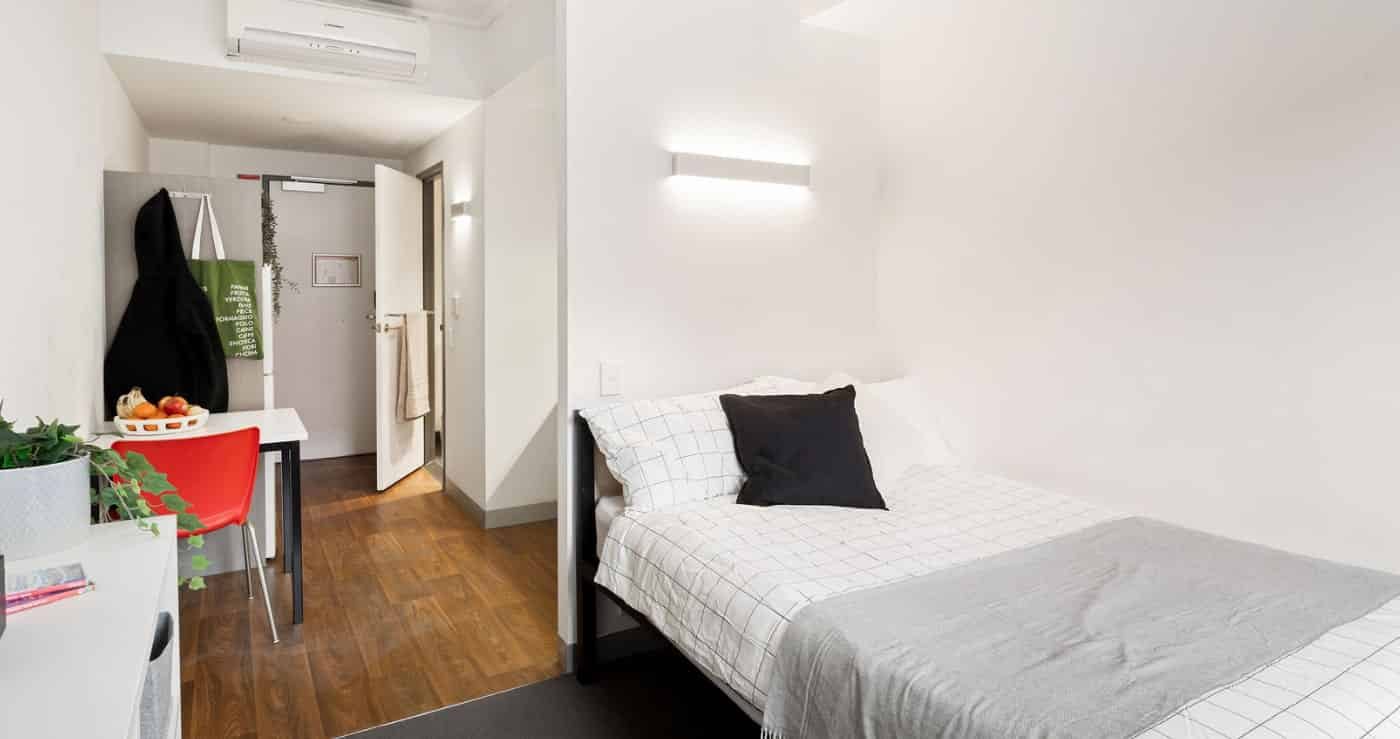
Off‑campus housing options include shared houses, basement apartments, studios, and dedicated student residences run by private operators. On‑campus accommodation (UBC properties) is available but competitive; many students look to the private market.
Budget Bands – Indicative Ranges (Confirm with Operator)
Rental costs in Vancouver are among the highest in Canada. Below are typical monthly bands for off‑campus housing near UBC in 2027. These are indicative—always confirm current rates directly with the landlord or operator.
-
Shared room in a house – CAD 800–1,200
Common among first‑year and budget‑conscious students. Amenities often include shared kitchen, bathroom, and living space. -
Private room in a shared apartment/house – CAD 1,100–1,600
More privacy, often includes utilities. Popular in Kitsilano and Dunbar. -
Bachelor or studio apartment – CAD 1,500–2,200
Self‑contained. Available near campus and in Kitsilano. -
One‑bedroom apartment – CAD 1,800–2,600
Harder to find within walking distance of UBC; many are in Kitsilano or Kerrisdale. -
Two‑bedroom (per person) – CAD 1,000–1,500 per person
A good value if sharing with a flatmate.
Note that rents in purpose‑built student residences (operated by third parties) may include utilities, internet, and sometimes meals. Always check what is included.
Walk vs. Transit Trade‑Off
UBC’s location at the western end of the peninsula means that commuting options are limited to buses, cycling, or driving. There is no SkyTrain connection to campus.
- Walking – Ideal if you live in Point Grey or west of Blanca Street. Walk times from campus border to central classrooms range from 5 to 20 minutes. The campus is large, so consider which building your classes are in.
- Cycling – Popular and efficient. Bike storage is available on campus. The neighbourhoods of Kitsilano and Dunbar are a 10‑to‑25‑minute ride away, depending on hills.
- Transit – The main bus routes (e.g., 99 B‑Line, 25, 33, 41, 48, 49) connect UBC to other parts of Vancouver. A one‑zone fare (as of 2027) is about CAD 3.15 per trip or CAD 107 per month for a U‑Pass. Buses can be crowded during peak hours, especially the 99 B‑Line.
- Driving – Traffic in and out of Point Grey can be heavy. Parking permits on campus are expensive (hundreds per term) and spaces are limited. Most students avoid driving.
Decision table (no markdown table used; narrative options):
When walking distance matters – If you want to roll out of bed and be in class within 15 minutes, focus on Point Grey or campus‑adjacent housing. Expect to pay a premium.
When transit is OK – Living in Kitsilano (east of Macdonald Street) adds 10–20 minutes by bus. You get more amenities (cafes, grocery stores, beaches) and sometimes slightly lower rents for the distance.
When cycling is your preference – Dunbar and Kitsilano are both bike‑friendly. A 20‑minute bike ride is comparable to a 30‑minute bus ride.
Shortlist Logic: How to Evaluate Options
Because no two rentals are identical, use a consistent framework to compare properties. Start by listing your non‑negotiable factors: maximum rent, maximum commute time, need for parking, laundry, or furnished units. Then apply these steps:
- Distance to campus – Measure walking or cycling time, not just a straight line. Use tools to check bus frequency.
- Total housing cost – Include rent, utilities, internet, and any building fees. Compare on a monthly basis.
- Lease terms – Most off‑campus rentals require 12‑month leases. Some purpose‑built residences offer 8‑month terms aligned with academic years.
- Roommates – If sharing, vet them by discussing lifestyle habits (sleep schedule, cleanliness, guest policy) before signing.
- Safety – Check neighbourhood crime statistics and street lighting. Most of the west side is low‑crime, but always do your own research.
- Read reviews – If the property is managed by a rental company, search for reviews from current or past tenants. Focus on maintenance response, noise, and management fairness.
Example shortlist for a third‑year student with a CAD 1,500‑per‑month budget (indicative):
- Look for a shared house or private room in Point Grey or Dunbar.
- Prioritise walking distance under 25 minutes OR a direct bus route.
- Rule out Kerrisdale unless bus frequency is high.
- Visit at least two properties in person before committing.
This logic avoids costly mistakes and aligns with what UBC reviewers already value: the beauty and walkability of the area.
Additional Considerations
- Meal plans – Some on‑campus residences offer meal plans. If you dislike cooking, factor this into your budget.
- Storage – If you move in early September for a September 2027 intake, check if you can store luggage before move‑in date.
- Pet policies – Many rentals near UBC do not allow pets. If you have an animal, start your search early.
- Subletting – If you need to leave temporarily, confirm your lease allows subletting.
Frequently Asked Questions
1. How far in advance should I start looking for housing near UBC?
For off‑campus rentals, the market typically releases vacancies 2–3 months before the move‑in date. For a September 2027 start, begin searching in June or July. Purpose‑built student residences (private operators) often open applications in January or February for the following academic year. On‑campus UBC housing has its own timeline; check the university’s website for exact dates.
2. What is the typical rent for a room near UBC?
As of 2027, a private room in a shared apartment ranges from approximately CAD 1,100 to 1,600 per month. A studio apartment near campus is indicative CAD 1,500–2,200 per month. These are indicative—confirm with the operator or landlord, as prices fluctuates with demand. Budget an additional CAD 100–200 for utilities if not included.
3. Is it better to live on campus or off campus?
On‑campus housing offers convenience, proximity, and a built‑in community, but availability is limited, and costs can be similar to off‑campus studios. Off‑campus housing gives more freedom in location, amenities, and lease length, but requires a commute. Your choice should depend on how much you value walkability versus having a broader choice of places. For students who plan to spend most of their time on campus (libraries, labs, sports facilities), on‑campus or adjacent is ideal. For those who prefer a more independent lifestyle with access to Vancouver’s wider city life, off‑campus in Kitsilano or Dunbar may be a better fit.
Data compiled as of 2027. Review quotes are from Google Maps user contributions (years noted in original).
See also: listing details · browse more