Campus Reviews: What Students Say
Student feedback on Ritsumeikan University’s campuses consistently points to a welcoming, well-equipped environment that supports both academic and social life. The university maintains a Google rating of 4.1 out of 5 from 549 reviews, reflecting general satisfaction among visitors and enrolled students alike.
Rahul Pai, who attended an exchange programme at the Biwako Campus for eight days, said: “One of the best Universities I have visited so far. […] The campus is very vast and has all facilities. Labs are well equipped and and very useful. The cafeteria is also very big a.” Although the review was posted eight years ago, the emphasis on facilities and cafeteria size remains relevant, as Biwako Campus continues to host short-term programmes.
Agustian Dh, a participant in the Ritsumeikan Summer Japanese Programme two years ago, noted: “It was a nice campus. There was a Clock Tower that used as mark for navigating around campus. It’s also has nice security staff and many staff also know English. 10/10.” This indicates the campus is international-student-friendly and easy to navigate.
Daniel B., who completed a Master’s degree, wrote: “I’ve finished my Master’s there. It’s a great place to study and make friends - both international and Japanese. A wide selection of student circles/clubs, interesting classes, good facilities (classroom, free gym). Recommended!” The mention of free gym and club variety suggests the university actively encourages extracurricular involvement.
Hild E. visited but did not study at Ritsumeikan: “I did not study here, not even as an exchange student, but when I had a look at their cosy campus I very much wished I did.” This offhand remark points to the campus atmosphere being inviting enough to spark regret in visitors.
Taken together, these reviews paint a picture of a university that values international exchange, maintains good facilities, and fosters a strong community. The two main campuses—Biwako (located in Shiga Prefecture, about a 30-minute train ride from Kyoto Station) and Kinugasa (in Kyoto’s Kita Ward, the address listed as 56-1 Tōjiin Kitamachi)—serve different student populations. Most degree programmes and exchange activities are based at Kinugasa, which is surrounded by residential neighbourhoods. Biwako Campus hosts specific programmes and requires longer commutes from central Kyoto. Knowing which campus your course is on is the first step in choosing housing.
Living in Kyoto: City Context
Kyoto is one of Japan’s most iconic student cities, home to over 40 universities and colleges. The city blends historic temples, traditional machiya houses, and modern urban amenities. Public transport is reliable but not as extensive as Tokyo’s; the subway has two lines, and buses cover most areas including Kita Ward. Bicycles are extremely common for short trips, especially around the university.
Living in Kyoto generally costs less than in Tokyo or Osaka, but rental prices still vary significantly by neighbourhood. The area around Kinugasa Campus – specifically Kita Ward and neighbouring Kamigyo Ward – contains a mix of older apartment buildings and purpose-built student residences. Many students choose to live within walking or cycling distance to avoid daily bus fares. Shopping streets, convenience stores, and local restaurants are plentiful in these wards.
For those studying at Biwako Campus, living near the Shiga side (e.g., Otsu City) can reduce commute time, though housing options there are fewer. Most students instead base themselves in Kyoto and take the JR Biwako Line or the Keihan Railway, with typical travel times of 30–45 minutes from central Kyoto.
Budget Bands for Student Housing
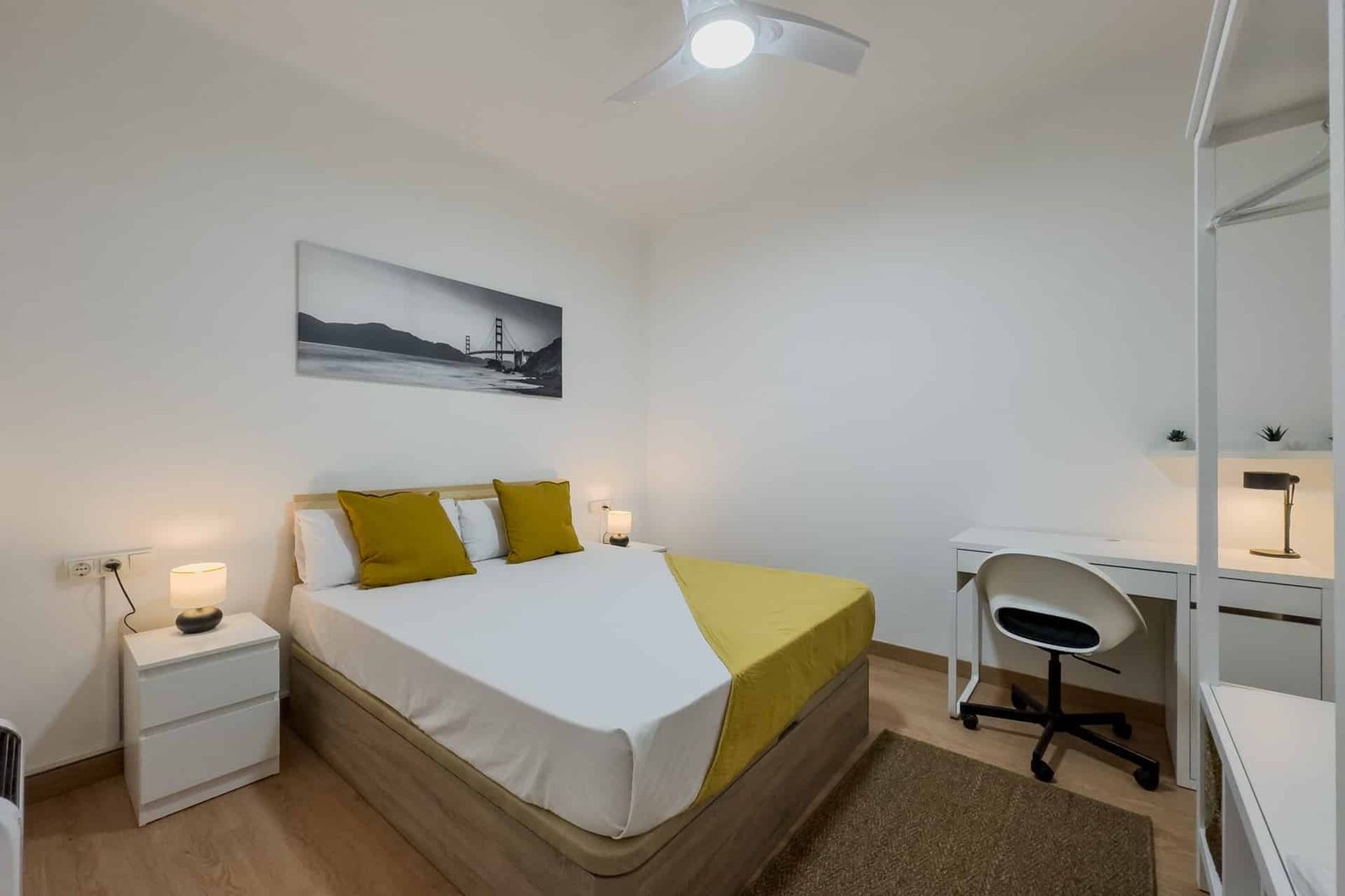
While no specific price data for residences was available from the university at the time of writing, student housing in the Kinugasa area generally falls into three broad categories. All prices below are indicative – confirm with the operator.
Shared accommodation – Typically includes guest houses or share houses where students rent a private room and share kitchen, bathroom, and common areas. This is usually the most cost-effective option, especially for short stays or first-semester arrivals. Utilities may or may not be included.
Private apartments – Renting a one-room (1K or 1DK) apartment offers more privacy. Monthly rent tends to be higher than shared living, and you will likely need to pay a deposit, key money, and agency fees at move-in. These apartments can be found within 15–20 minutes on foot from Kinugasa Campus.
University-managed dormitories – Ritsumeikan operates several international dormitories, both on and off campus. They often include meal plans or a kitchenette, and provide built-in community activities. Priority may be given to exchange students. Spaces are limited, so early application is essential.
For Biwako-based programmes, university housing options at the lakeside campus exist, but they are primarily intended for short-term participants. Long-term students usually find private accommodation in Otsu or along the JR line.
Walk vs Transit: Balancing Distance and Cost
The main Kinugasa Campus sits in a quiet residential area about 4 km northwest of Kyoto Station. Walking from the nearest subway station (Kitaōji on the Karasuma Line) takes roughly 20 minutes, though there are bus services connecting the campus to Kitaōji Station and Kyoto Station.
Choosing to live within a 10–15-minute walk of campus means you save on bus or train fare (a one-way bus ticket costs around 230 yen as of 2026 – indicative, confirm with operator). However, apartments closer to campus may have higher rent due to convenience. On the other hand, living farther away, for example near Kyoto Station or in central Shijō, lowers rent but adds a daily commute of 30–45 minutes by bus or train. The trade-off is financial versus time. Students who value extra time for study or part-time work may prefer a shorter commute; those on a tighter budget may opt for distance.
For Biwako Campus, the decision is more clear-cut: most students commute from Kyoto or Otsu. Living in Kyoto gives access to the city’s nightlife and part-time jobs, but requires a 30–40 minute train ride plus a campus bus. Living in Otsu reduces the commute to under 15 minutes by bicycle or on foot from the station, but the town offers fewer entertainment options.
When evaluating your commute, consider not only distance but also the frequency of public transport. Buses on some routes in Kita Ward run every 10–15 minutes during peak, but less frequently in the evening. Always check the latest timetables.
Shortlist Logic: Selecting Your Residence
Although a list of specific nearby residences was not provided, you can apply a logical framework to any housing search near Ritsumeikan University. Here is the process to follow when compiling your shortlist:
- Identify your campus – Kinugasa or Biwako. This determines the neighbourhoods you should prioritise.
- Set a budget – Decide the maximum monthly rent you can afford, including utilities. Remember that initial move-in costs in Japan can be 4–6 times the monthly rent (deposit, key money, guarantor fee).
- Choose a commute mode – Walk/bicycle, bus, or train. This directly affects the zone you search in.
- Consider contract length – Many residences require a one-year minimum. Short-term leases (less than 6 months) are harder to find and may cost more.
- Check facilities – Does the accommodation offer internet? A washing machine? Furnished or unfurnished? Proximity to grocery stores?
- Verify with the operator – Always confirm availability, move-in date, and total cost directly. Use the university’s housing office or a licensed real estate agency.
If you are an exchange student, the International Centre can provide a list of recommended properties or dormitories. For degree-seeking students, exploring online property portals (search by neighbourhood “Kinugasa” or “Kitaoji”) will yield many options. It is wise to view a unit in person or ask a current student for a tour before signing.
Finally, read your contract carefully. Japanese leases often have renewal fees (更新料), and some require a Japanese guarantor. If you do not have one, the university or a guarantor company may step in for a fee.
Frequently Asked Questions
Q: How far is the university from Kyoto Station? A: Kinugasa Campus is about 4 km northwest of Kyoto Station. By bus the journey typically takes 20–30 minutes, depending on traffic. By subway and walking it takes about 35 minutes. Biwako Campus is located in Shiga Prefecture, about 30 minutes by train from Kyoto Station plus a campus bus.
Q: Are there furnished apartments available near the campus? A: Yes, many apartments marketed to students come partially furnished (kitchen stove, refrigerator, air conditioner, sometimes a bed and desk). Share houses and dormitories are fully furnished. Confirm exactly what is included before signing.
Q: When should I start looking for housing? A: For April intake (the main academic start in Japan), begin your search at least two to three months in advance. Dormitory applications often open in January. For September intake, begin in June or July. Last-minute search within a month of arrival significantly reduces your options.
Article last updated: 2026
See also: listing details · browse more