What Campus Reviews Reveal about Hitotsubashi University
Hitotsubashi University, ranked 553 in the QS World University Rankings, occupies a campus at 2-chōme-1 Naka, Kunitachi, Tokyo. With a Google rating of 4.3 from 368 reviews, the institution draws consistent praise for its academic reputation and campus atmosphere. One reviewer, Ü, noted that “Everyone knows it is a famous university that many important people are graduated from here. It was one of our visit places in our summer trip. We joined the International Society (if this still exists nowadays in the university). The students and club members are very outgoing.” This highlights not only the university’s prestige but also the active student life that prospective residents can expect to engage with.
Another reviewer, Kohei Yoshimura, described it as “One of the most prestigious colleges in Japan (specializing in social science like LSE) Lots of entrepreneurs and CEOs are from Hitotrubashi.” The specialized focus on social sciences mirrors the London School of Economics, attracting students serious about business, economics, and law. For those considering housing nearby, this academic concentration means you’ll likely be living alongside ambitious peers who value proximity to campus and study-friendly environments.
A visiting professor, Avimanyu “Avi” Datta, added that “The campus is picturesque.” The aesthetic appeal of the grounds – set against the quiet residential backdrop of Kunitachi – makes it a desirable place to spend both study and leisure time. Okan S summarised the location advantage: “One of my favorite campus in Tokyo. It is one of the best university of Japan. It is on Chuo line next to kunitachi station.” The direct adjacency to Kunitachi Station on the JR Chuo Line provides fast access to central Tokyo while keeping the campus itself in a calm suburban setting.
City Context: Kunitachi and Central Tokyo
Kunitachi is a ward in western Tokyo, known for its tree-lined streets, low-rise housing, and relaxed pace. The Chuo Line runs through it, connecting the area to Shinjuku (roughly 30 minutes by express train) and Tokyo Station (about 45 minutes). The immediate neighbourhood around Hitotsubashi contains convenience stores, supermarkets, and small eateries geared toward students. The station itself has a shopping complex and a post office.
Although Kunitachi is not a major nightlife hub, its proximity to larger stations like Kokubunji (three stops west) and Tachikawa (five stops west) offers more dining and entertainment options. The university’s location on the Chuo Line means that students can live as far out as Hachioji (about 45 minutes by rapid train) or as close as a ten-minute walk from campus. Rents in Kunitachi tend to be moderate compared to Shinjuku or Shibuya, but the trade-off is a quieter daily life.
For international students, the university’s International Society (mentioned in the review) may help with orientation and social integration. Living within walking distance to campus allows you to participate in club activities and spontaneous meet-ups without relying on trains.
Budget Bands for Student Housing (2027)
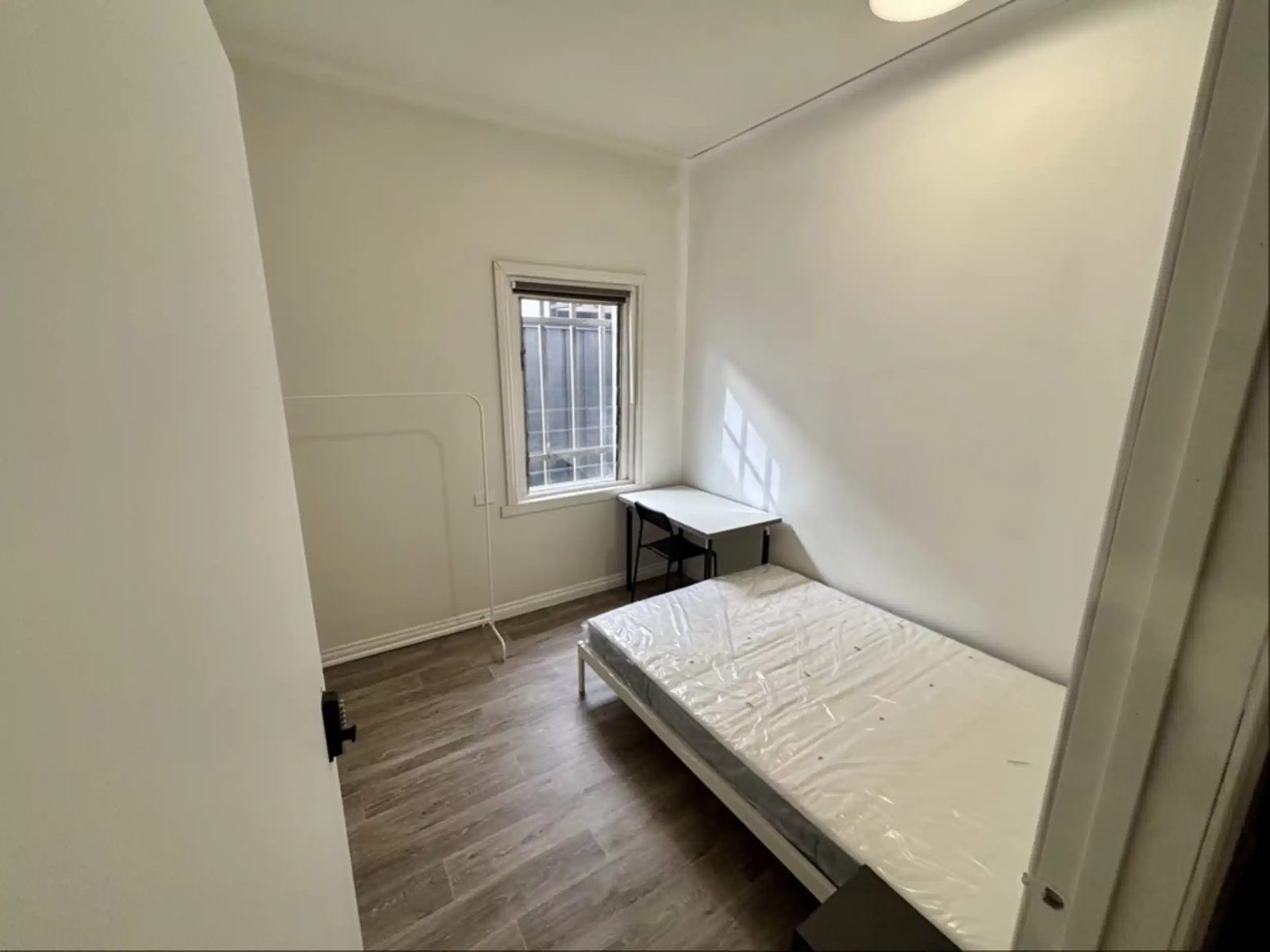
Rental prices in the Kunitachi area for 2027 are indicative and should be confirmed with the operator before any commitment. The bands below reflect typical monthly rent for a single person, based on current market trends adjusted for inflation – always check directly with property agents or university housing offices.
- Shared house / guesthouse: ¥55,000 – ¥80,000 per month. Shared kitchens and bathrooms significantly lower costs. These are common near Kunitachi Station and along the Chuo Line. Utilities are usually included or a fixed surcharge.
- Studio / 1K apartment (private): ¥70,000 – ¥110,000 per month. A 1K (one room with kitchen) within a 15-minute walk from campus typically costs between ¥75,000 and ¥95,000. Apartments farther from the station or with older fixtures can be found closer to ¥65,000.
- 1LDK (one bedroom with separate living/dining): ¥100,000 – ¥150,000 per month. Suitable for couples or those who want separate living space. Most newer buildings in Kunitachi are in the upper range.
- University-affiliated dormitories: Some institutions offer dormitory rooms for international students, typically ¥40,000 – ¥60,000 per month. Check eligibility directly with Hitotsubashi’s international office; availability is limited and early application is advised.
Keep in mind that Japanese apartments often require a key money (礼金) of one to two months’ rent, a security deposit (敷金) of one month, and a guarantor or guarantor company fee. Total move-in costs can be three to five times the monthly rent. Some budget-friendly arrangements (like share houses) waive or reduce these upfront fees.
Walk vs Transit Trade-Off
Choosing between walking distance and riding the train involves balancing rent, time, and convenience.
Walking distance (under 20 minutes to campus)
- Pros: no daily train fare; ability to return home between classes; easy access to campus facilities (library, gym, clubs).
- Cons: rents are higher in the immediate vicinity; fewer late-night options; the area is very quiet.
- Typical rent: ¥80,000+ for a small private apartment within a 15-minute walk.
Chuo Line commute (15–30 minutes by train) Many students live in neighbouring stations like Kokubunji, Tachikawa, or even farther west. A 25-minute train ride from Tachikawa, for example, can reduce rent by ¥20,000–¥30,000 per month compared to Kunitachi. The trade-off is a monthly commuter pass (about ¥8,000–¥12,000 for that distance) and the need to check train schedules.
- Pros: lower rent; more amenities near station (large supermarkets, restaurants, entertainment).
- Cons: time lost commuting; train delays during morning rush; less spontaneous campus participation.
Bicycle as a compromise Many students cycle within a 3–5 km radius. Stations like Nakagami or Kokubunji are about 20–25 minutes by bicycle. This expands your housing pool without adding train costs. Note that securing bicycle parking near campus and at your apartment may require a permit or fee.
Shortlist Logic: Choosing a Residence Near Hitotsubashi
When shortlisting housing, follow a logical sequence based on your priorities:
-
Determine your walkability threshold. If you plan to attend classes daily and return home for meals, aim for a property within 15 minutes on foot. The area bounded by Kunitachi Station to the north and the campus to the south (roughly a 1 km radius) is the prime zone. Most apartments here are along the Chuo Line side streets, and many are listed by local agents. Use keywords “Kunitachi” and “Hitotsubashi” when searching.
-
Balance budget with train distance. If your budget is below ¥70,000 for a private unit, you will almost certainly need to commute by train. Look at stations two to five stops away along the Chuo Line: Kokubunji (¥60,000–¥80,000 for a 1K), Tachikawa (¥55,000–¥75,000), or Kunitachi itself for share houses. The farther west you go, the more properties become available, but rent savings may be offset by transport costs and time.
-
Consider share houses for social connection. Reviews mention the outgoing nature of the International Society. A share house can replicate that communal vibe. Many share houses near Kunitachi Station have private rooms with shared kitchens. Monthly fees often include utilities and Wi-Fi. Check whether the house has a mailbox for packages and a quiet study area — essential for a social sciences workload.
-
Check the building’s age and insulation. Tokyo winters can be cold in older wooden apartments. Concrete buildings (RC, SRC) cost slightly more but are warmer and quieter. Look for a listing that specifies “鉄筋コンクリート” (reinforced concrete) if soundproofing matters.
-
Use the campus as your hub. Because Hitotsubashi has a single main campus (no satellite buildings), living within walking distance eliminates the risk of scheduling conflicts between buildings. If you have a late class, you can stay at the library and walk home safely — the area is low-crime and well-lit.
No matter which route you choose, always visit the property in person or ask for a virtual tour before signing. Confirm the monthly rent, any hidden fees (management fee, condo fee), and the cancellation policy. These details vary widely and can affect your total cost.
Frequently Asked Questions
Q1: Is it cheaper to live in Kunitachi or in a neighboring station? A1: In general, Kunitachi rents are about 10–20% higher than comparable apartments in Kokubunji or Tachikawa. However, living in Kunitachi saves you at least ¥8,000–¥12,000 per month on a commuter pass, plus time. For a 2027 perspective, a 1K in Kunitachi averages ¥85,000, while the same in Tachikawa averages ¥70,000 — indicative rates; confirm with the operator.
Q2: Can international students find housing easily without a Japanese guarantor? A2: Yes, but the process requires extra steps. Many share houses and some apartment management companies accept international tenants without a guarantor if you pay an additional fee (often ¥10,000–¥20,000) or use a guarantor company service (typically 50%–100% of one month’s rent). The university’s international office may also provide a list of recommended agencies. Start your search at least two months before your move-in date.
Q3: What is the best way to search for housing near Hitotsubashi? A3: There is no single platform used by all students. Common methods include: (a) using general Japanese rental websites and filtering by “Kunitachi” with “within 10 min walk”; (b) consulting the university’s housing bulletin board (speak to the International Student Services); (c) walking around Kunitachi and looking for “貸間” (room for rent) signs; (d) asking senior students in the International Society for recommendations. Avoid searching by specific property names — focus on location and price. Always verify listings directly with the landlord or agent.
Data as of 2026-01-15. Prices are indicative and subject to change. Confirm all terms with the operator before commitment.
See also: listing details · browse more