Le Havre Student Housing Decision Guide
Le Havre, a major port city in Normandy on the English Channel, is a medium-sized French urban centre with a compact layout. For the 2026–2027 academic year, the available student‑housing data on this platform shows one student property, with an indicative starting price of €500 per month. No specific universities are listed in the dataset, but Lé Havre is home to several higher‑education institutions, including a main university campus and specialised engineering and business schools. This guide helps you evaluate neighbourhoods by commute, understand the single price band, map the city’s academic zones, avoid common pitfalls, and plan your booking timeline.
Neighbourhoods by Commute
Because only one student property is currently recorded on this platform, the neighbourhood‑by‑commute logic must be based on the city’s general geography rather than on multiple listed options. Le Havre is divided into distinct zones, each with different travel times to the main academic clusters and the city centre.
City Centre (Centre‑Ville)
The central area around the Town Hall, the port, and the main shopping streets is well‑served by buses and trams. The tramline runs north–south, connecting the centre to the university district and the Gare du Havre (train station). If the single listed property is located here, commute times to most academic sites would be under 15 minutes by tram or bicycle. The centre offers the highest density of services: supermarkets, banks, restaurants, and cultural venues. Rent in this zone typically ranges higher, but the only listed price of €500 fits within the city’s mid‑range – though you should confirm with the operator whether that figure is for a studio or a shared room.
University District (Danton / Le Rond‑Pont)
The main university campus lies in the north, near the Danton and Rond‑Pont tram stops. This area is dominated by student residences, fast‑food outlets, and low‑cost grocery shops. A property in this zone would mean a 5‑ to 10‑minute walk to most lecture halls. Public transport connections to the city centre take about 10 minutes by tram. Because no student property is explicitly listed in this area on the platform, you would need to search for private rentals or check the operator’s full inventory. The advantage of living here is minimal commute and a student‑oriented atmosphere.
Port District (Les Docks / Vauban)
The redeveloped docks area, with modern apartment blocks and the Docks Vauban shopping mall, is about 15 minutes by tram from the university. It is quieter, residential, and closer to the waterfront. Commute times are moderate, but amenities like supermarkets are within walking distance. If the listed property is not in the port district, you may still find private studios in this area for €450–€550 (indicative – confirm with the operator).
Outlying Residential Areas (Mont‑Gaillard / Caucriauville)
These suburban zones are further from the centre, with bus connections taking 20–30 minutes to the university. Rents here can be lower, but the only recorded property is not in these areas. Students on a tight budget often look here, but the trade‑off is a longer commute and fewer evening activities.
Key takeaway: With only one property on the platform, your neighbourhood choice is limited to that specific address. Always check its distance to your campus using a local map or the operator’s locator. Le Havre’s tram and bus network (LiA) is efficient, with a single ticket costing €1.70 – factor this into your monthly transport budget (approximately €25 for a student pass, indicative – confirm with the operator).
Price Bands from the Given Data
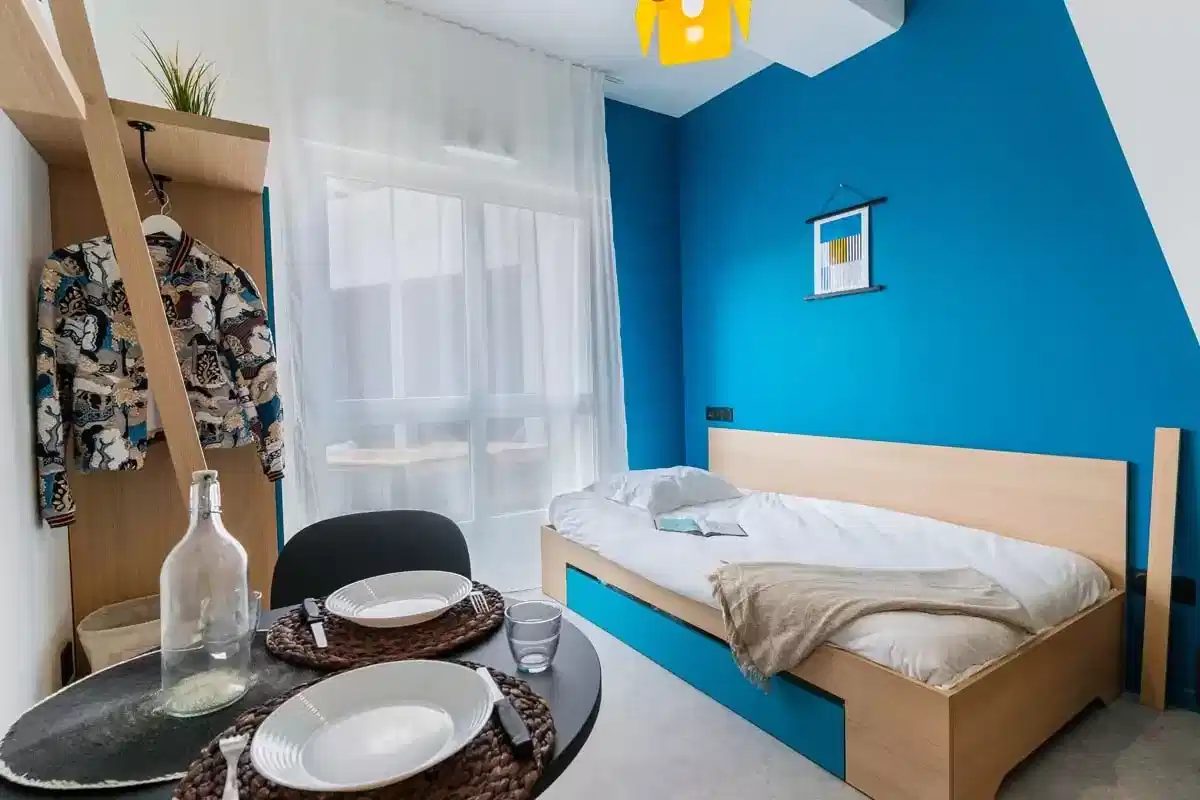
The dataset contains 1 property with a minimum price of €500 per month (currency: EUR). No other price points are available. This figure represents the starting rent for that one listed unit.
- Number of properties: 1
- Price (indicative): €500/month
- Price type: Starting price – may vary by room size, floor level, or contract length. Always confirm the exact total with the operator.
Because there is only one data point, we cannot present a price‑band table or a range. In a typical French student city, rents for a private studio can vary from €400 (in older buildings or shared flats) to €650+ (newer, furnished, near the centre). The €500 figure falls in the middle of this typical spectrum. To compare, you could look at private listings on general rental portals, but the operator’s price is the only one guaranteed through this platform.
Important: The €500 must be considered indicative. The operator may add charges for utilities (electricity, water, gas, internet) or require a deposit (usually one month’s rent). Ask for a detailed breakdown before signing.
How the Listed Universities Map to Areas
The dataset contains no listed universities for Le Havre. This does not mean the city lacks higher‑education institutions; it simply means no institution names are recorded in the provided data. For context, Le Havre is home to the main campus of a public university, an engineering school, and several business and art schools. Their locations:
- Main university campus: Northern sector, near Danton tram stop.
- Engineering school: Close to the town hall in the city centre.
- Business school: East of the centre, near the Gare du Havre.
Since no university names are given, you must identify the address or campus of your own institution and map it against that of the listed property. If the property is in the city centre, it will be within 10–15 minutes of most academic sites by tram. If it is elsewhere, use the LiA transport planner to estimate travel time.
Recommendation: After you receive the property address from the operator, check its walking distance to the nearest tram stop and then measure the ride to your school’s stop. Avoid committing to a lease before verifying the commute with real‑time transport schedules.
Three Pitfalls to Avoid When Renting in Le Havre
-
Underestimating the Single‑Supply Risk
With only one property listed on this platform, your options are extremely limited. If that property does not match your preferences – or is already taken – you will need to rely on private listings or local agencies. Do not treat this platform’s single entry as the full market. Start your search early and cross‑reference with other sources (e.g., local newspapers, Facebook groups for Le Havre students). The operator may have additional units not shown here, so contact them directly. -
Hidden Costs Beyond the Indicative Rent
The €500 starting price is unlikely to cover everything. French landlords often require a deposit (caution) of one to two months’ rent, plus a housing insurance policy (assurance habitation) that costs about €50–€100/year. Utilities (electricity, water, gas) may be separate, adding €30–€60/month. The operator should provide a “total monthly cost” before you sign. Never assume the indicative price is the final amount – confirm with the operator in writing. -
Lease Duration and Break‑Clauses
Standard French student leases run for a fixed academic year (typically September to June or August). Some landlords allow a 12‑month lease with a possibility to break at the end of the academic term. If you are staying only one semester or plan to leave early, check the “clause de résiliation” (termination clause). Early departure without a valid reason can cost you up to two months’ rent. The operator’s contract should specify these terms – read every line.
Booking Calendar for 2026–2027
Plan your housing timeline using the following milestones:
- December 2025 – January 2026: Start researching. Write to the operator to express interest and ask for a detailed quote. Confirm the property’s availability for September 2026.
- March – April 2026: Many French landlords and agencies release their student inventory for the next academic year. If the property is still available, submit a reservation request. Some operators require a non‑refundable admin fee (indicative €100–€200 – confirm with the operator).
- May – June 2026: Complete the lease signing and pay the deposit. At this stage, request a copy of the inventory (état des lieux) template. Arrange housing insurance.
- July – August 2026: Confirm your move‑in date (usually early September). Arrange your visa, if applicable. If you need a French guarantor (garant), check whether the operator offers a paid guaranty service for international students – for example, Garantme or Visale (free but requires processing time).
- September 2026: Move in. Perform a detailed check‑in inventory with the operator. Keep photographic evidence of the property’s condition.
Data note: This calendar is based on general French student‑housing patterns. The operator may have its own schedule – confirm directly.
Frequently Asked Questions (FAQ)
1. Is €500 per month a realistic budget for a student in Le Havre?
Yes, €500 is an indicative starting price for the only listed property. In the city centre, a furnished studio typically rents for €450–€550 (indicative – confirm with the operator). However, that figure may not include utilities. To stay within a total budget of €600/month (including electricity, internet, and insurance), you should verify the all‑in monthly cost with the operator. Budget an additional €25–€30 for a student transport pass plus €200–€250 for groceries and personal expenses.
2. How do I find other student housing if the listed property is not suitable?
Start by searching on general rental platforms (e.g., Leboncoin, SeLoger) and student‑specific Facebook groups (“Logement étudiants Le Havre”). The city’s CROUS (regional student welfare office) manages public student residences with rents as low as €350/month (indicative – confirm with the operator). Apply for CROUS housing in early 2026, as demand is high. Also visit local real‑estate agencies near the university – they often have studios not listed online.
3. Do I need a French guarantor, and what are my options?
Most French landlords require a guarantor (garant) who earns at least 3× the monthly rent. For international students without a local guarantor, alternatives include:
- Visale: A free state‑guaranteed bond for students under 30. Apply at www.visale.fr.
- Operator‑provided guarantee: Some student‑housing operators accept a paid guarantee service (e.g., Garantme, Studapart). This typically costs 3–4% of the annual rent.
- Bank guarantee or cash deposit: Rare, but some landlords accept a larger upfront deposit (e.g., 6 months’ rent) in lieu of a guarantor.
Check with the operator whether they accept an international guarantor (e.g., parent’s employer certificate translated into French).
4. What is the best area to live in for a student attending the main university?
If you study at the main university (northern campus), the Danton / Rond‑Pont neighbourhood is the most convenient – a 5‑minute walk or tram ride. The listed property is not confirmed to be in that zone, so verify its address. The city centre (Centre‑Ville) is also a good choice: tram takes about 10 minutes to the university, and you have access to more shops and nightlife. Avoid outlying suburbs like Mont‑Gaillard if you do not have a car, as bus frequencies can be lower in the evenings.
Data collected: March 2026
All prices are indicative – always confirm the exact rent, included services, and total monthly cost directly with the operator before entering into any contract.
See also: listing details · browse more