Neighbourhoods and Commute Logic
Hamburg is Germany’s second-largest city, and its student housing market reflects a mix of historic central districts, green residential areas, and the more affordable southern suburb of Harburg. For a student at Universität Hamburg (rank 193 globally), the key factor in choosing a neighbourhood is commute time to the main campus near Dammtor station or to the City Nord campus depending on your faculty. The city’s public transport system – U-Bahn, S-Bahn, and buses – covers most areas within 30–45 minutes from the centre.
The most popular student neighbourhoods cluster around a 20‑minute commute radius from the university’s main buildings. Here is how the logic works:
- Eimsbüttel – west of the university. This area has a high density of shared apartments (WGs) and is within a 10–15 minute bike ride or 20‑minute bus ride. The streets around the Eimsbüttel U‑Bahn station (line U2) offer direct access to Jungfernstieg and the city centre. Rents here are moderate, but demand is high.
- Winterhude – north of the Alster lake. A leafy district with good connections to the City Nord campus (where many economics and social science departments are located). The U‑Bahn lines U1 and U3 serve Winterhude. Commute to the main campus is about 20 minutes by bike or 25 minutes by public transport.
- St. Pauli / Sternschanze – close to the Reeperbahn and Schanzenviertel. This area is lively, with many bars, cafés, and second‑hand shops. The main campus is only 5–10 minutes away on foot from the Dammtor station side. However, rents are higher and apartments are often smaller. Ideal for students who value nightlife and proximity over square metres.
- Altona – west of the centre, with the S‑Bahn station Altona providing direct trains to Dammtor in about 10 minutes. Altona has a more local, less touristy feel than St. Pauli. It is also the closest neighbourhood to the Elbe beach, which is a plus in summer.
- Eppendorf – a wealthy area north of the university, known for its high‑end shops and restaurants. Rents are among the highest in Hamburg, but the proximity to the University Medical Center (UKE) makes it popular for medical students. Commute to the main campus is 15 minutes by bike.
- Harburg – south of the Elbe, this is the most affordable option. Harburg is its own city‑beneath‑the‑city, with the Technische Universität Hamburg (TUHH) nearby, but also accessible to Universität Hamburg via the S‑Bahn line S3/S31 (roughly 25–30 minutes to Dammtor). Students on a tight budget often look here, but the area has fewer social amenities compared to the north.
For students who prefer a quieter, more family‑oriented environment, Barmbek and Wandsbek (east) offer larger living spaces at lower rents, with U‑Bahn lines providing 25‑30 minute commutes.
Commute logic is straightforward: the closer you live to the university, the higher the rent, but also the more time you save. A 10‑minute walk to campus might cost €150–200 more per month compared to a 30‑minute commute. Most students compromise by choosing a district like Eimsbüttel or Winterhude, where a 20‑minute bike ride is the norm.
Price Bands and Available Properties
According to the latest data, the student‑housing platform lists 12 properties in Hamburg. The minimum price across these listings is €680 per month (indicative – confirm with the operator). This price typically corresponds to a private room in a shared apartment or a small studio in a suburban location. No maximum price is published in this data set, so students should expect a range from €680 up to roughly €1,200 for a furnished one‑bedroom apartment in central areas.
The price bands can be understood in three tiers, based on the neighbourhood and property type:
- Budget tier (€680 – €850) – likely includes rooms in shared apartments in Harburg, Barmbek, or Wandsbek. These are often older buildings (Altbau) with basic furnishings. Utilities (heating, water, electricity) may be included or charged separately – always check. With only 12 properties listed overall, budget options may sell out quickly.
- Mid‑tier (€850 – €1,050) – common in Eimsbüttel, Winterhude, and Altona. This price usually secures a well‑maintained private room in a WG or a small studio with a private bathroom. Properties at this level often include WiFi and a fitted kitchen.
- Premium tier (above €1,050) – found in St. Pauli, Eppendorf, or the city centre. These are typically fully furnished studios or one‑bedroom apartments. The premium covers location, modern amenities, and sometimes extra services such as weekly cleaning or a gym.
It is important to remember that Hamburg’s overall rental market has been rising for years. The €680 entry point is relatively low compared to Berlin or Munich, but it reflects a limited pool of affordable student accommodation. The 12 properties on the platform may represent a fraction of what is available in the city; many students also use local portals or university notice boards. Because supply is tight, acting quickly is advised, but never pay a deposit before visiting or verifying the listing.
All prices mentioned are indicative – confirm with the operator before signing any contract.
University Locations and Where Students Live
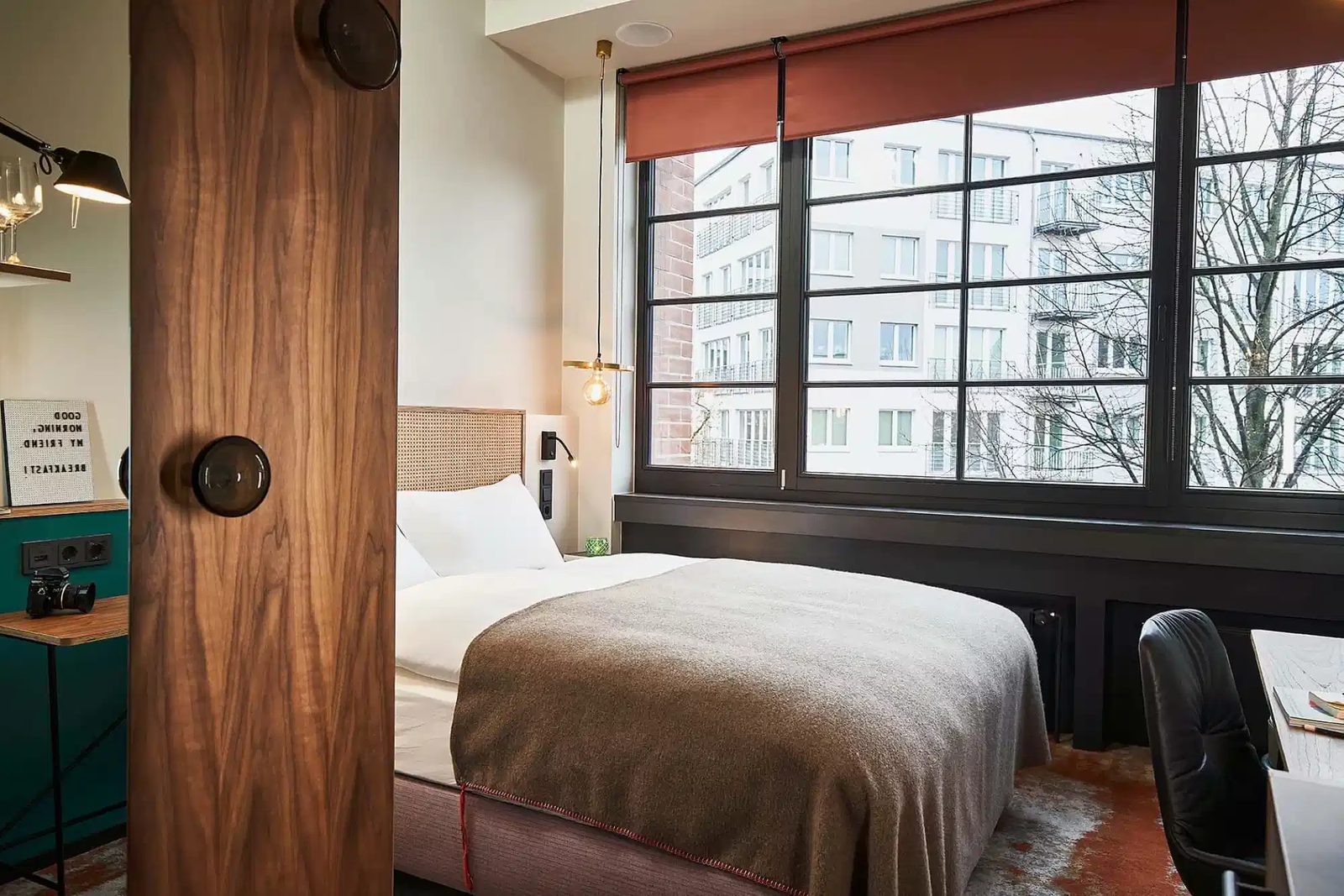
The sole university mentioned in the data is Universität Hamburg (rank 193). Its main campus is located in the Rotherbaum district, adjacent to the Alster lake and within walking distance of Dammtor train station. The university also operates additional faculties in City Nord (business, law, social sciences) and at the University Medical Center (UKE) in Eppendorf.
Because Universität Hamburg is a large, distributed institution, student housing demand is split across several areas:
- Rotherbaum / Grindel – immediately around the main campus. This is the most convenient area, but also among the most expensive. Many international students prefer to live here to be close to the language courses and the main library. Rents for a single room easily exceed €900.
- Eimsbüttel – directly west of the campus. It is the most common residential area for students, thanks to its quieter residential streets, many supermarkets, and good transport links. The commute to both the main campus and City Nord is easy via the U2 line.
- Winterhude – popular among students who have classes at City Nord or the UKE. The U1 line connects Winterhude to the main campus in about 15 minutes. The area also has many parks and the Stadtpark, a green recreational space.
- St. Pauli / Sternschanze – attracts students who want to be in the cultural heart of the city. The university’s main library and many lecture halls are within a 10‑minute walk. This area also has a high concentration of student pubs and shared flats, but be prepared for noise on weekends.
For students enrolled at the University Medical Center (UKE) – which is part of Universität Hamburg but operates independently for clinical training – living in Eppendorf or the northern part of Winterhude reduces commute time to near zero.
In summary, the mapping is clear: the core of the university is surrounded by affordable (Eimsbüttel) and lively (St. Pauli) districts, while the northern and eastern areas serve as lower‑cost alternatives for those willing to commute. The 12 listed properties in the platform likely cover all these areas, but students should filter by their specific faculty location.
Three Common Pitfalls for Hamburg Student Housing
1. Rushing into a Contract Without Understanding Utility Costs
Many advertised rents are “warm” (including heating and hot water) but not “all‑inclusive”. Electricity, internet, and sometimes radio fees (the obligatory GEZ broadcast contribution) are extra. A flat that appears to be €680 may actually cost €800+ once these add‑ons are included. Always ask the operator for a detailed breakdown of what is included. Some unscrupulous platforms or private landlords list a “cold” rent (Kaltmiete) and add utilities later, leading to unpleasant surprises. The best practice is to request the “Gesamtmiete” (total monthly cost) in writing before signing.
2. Falling for Fake Listings in a Tight Market
Hamburg’s rental market is competitive, especially around the start of the semester (October). Scammers create fake listings on social media or unofficial platforms, asking for a deposit before you have seen the flat. Common red flags: the price is too good (e.g., a central studio for €500), the landlord is “out of the country” and requires payment via Western Union, or the photos look like they are from a hotel. Only book through the listed platform (or reputable local sites like WG‑Gesucht) and never wire money without a signed contract and an in‑person or video tour. The 12 properties on the platform have been verified, but always double‑check.
3. Underestimating the Registration (Anmeldung) Requirement
International students must register their address at the local Bürgeramt within 14 days of moving in. Some temporary housing, such as serviced apartments or “student hotels”, does not always provide the required “Wohnungsgeberbestätigung” (landlord confirmation). Without this document, you cannot open a bank account, get a German SIM card, or extend your student visa. When looking at the 12 listed properties, ask specifically: “Will I get a Wohnungsgeberbestätigung for the full duration of my stay?” If the answer is unclear, reconsider. Many student‑housing platforms now explicitly state this in their description, but it is worth verifying.
Booking Calendar and Timeline
The ideal time to search for student housing in Hamburg depends on the semester start. Universität Hamburg’s academic year is composed of two semesters:
- Winter semester: October – March (lectures usually start in mid‑October)
- Summer semester: April – September (lectures start in early April)
Because most students begin in October, the period from August to September sees the highest demand and the lowest availability. By March 2026, listings for the upcoming winter semester typically start appearing on the platform. For a guaranteed spot, consider these milestones:
- 6–4 months before move‑in (April–June 2026 for October 2026): Start browsing the platform. The 12 properties may be posted gradually. Bookmark the ones that interest you and contact operators early. Many properties allow reservation with a refundable deposit.
- 3–2 months before move‑in (August 2026): Peak booking season. At this point, the cheapest options under €700 are likely already taken. You may have to expand your search to Harburg or Barmbek. Some operators offer short‑term leases (3–6 months) to fill gaps.
- 1 month or less before move‑in (September 2026): Only higher‑price or less desirable units remain. If you need to start in October, you might have to take a short‑term arrangement (such as a temporary apartment for 1–2 months) and then look for a permanent place after arrival.
For a summer semester start (April 2027), the same logic applies: start in November–December 2026. The market is slightly less competitive in spring, so you may have more choice and lower prices.
It is also worth noting that some student dorms run by Studierendenwerk Hamburg have waiting lists of 2–3 semesters. The listed platform properties are typically private market alternatives, so the timeline is more flexible, but you need to act early. All dates and availability are indicative – confirm with the operator for exact move‑in windows.
FAQ
1. What does the €680 price usually include?
The monthly rent at the entry price level (€680, indicative – confirm with the operator) often covers a private room in a shared apartment with basic furniture, a shared kitchen and bathroom, and utilities such as heating, water, and trash collection. Electricity and internet are frequently extra. Always read the contract carefully; some operators charge a separate flat fee for electricity (often called “Nebenkosten”). For a fully inclusive price, expect to pay closer to €800–900.
2. Can I find a one‑bedroom apartment for myself for less than €1,000?
It is possible but challenging. In central districts like St. Pauli or Eppendorf, one‑bedroom apartments (1‑Zimmer‑Wohnung) typically start at €900–1,100. In less central areas (Barmbek, Wandsbek, Harburg), the minimum for a self‑contained apartment may drop to €750–850. However, the 12 properties on the platform include all types, so you may find a small studio at the lower end. Check the listing description for “own kitchen” and “own bathroom”.
3. Do I need a German bank account to pay the rent?
Many operators accept international bank transfers, but some require a German bank account (SEPA direct debit). If you do not yet have a German bank account, ask whether payment via PayPal, credit card, or transfer from a foreign account is possible. Opening a German account can take 1–2 weeks after you register your address, so plan ahead. Some student‑friendly banks offer online account opening before you arrive.
4. How long is the minimum rental period for these properties?
The platform’s listings vary. Some properties require a minimum stay of 6 months, others offer flexible 1‑month rolling contracts. For the 12 properties in Hamburg, common minimum periods are 3, 6, or 12 months. Short‑term stays (under 3 months) are rare and often priced higher. To avoid ending a lease early, choose a property whose minimum length aligns with your semester schedule. If you need to leave early, you may be responsible for paying the rent until a replacement tenant is found.
Data as of March 2026. Prices and availability are indicative – confirm with the operator before making any commitments.
See also: listing details · browse more