Edmonton Student Housing Decision Guide
Edmonton, Alberta, is home to the University of Alberta (ranked 94th globally) and a growing student population. The student‑housing market here offers a single property listed on our platform as of 2026, with an indicative starting price of CAD 910 per month — confirm with the operator. This guide helps you assess neighbourhoods, understand price bands, map the university to surrounding areas, avoid common pitfalls, and plan your booking timeline for the 2026–2027 academic year.
Neighbourhoods by Commute
When choosing where to live, commute time and mode are primary factors. Edmonton’s public transit system (Edmonton Transit Service) includes the LRT (light rail), buses, and the Capital Line that connects the University of Alberta campus to downtown and nearby residential areas. Walking and cycling are also feasible in milder months, but winters (November–March) can be harsh with snow and temperatures below −20°C.
Given that only one student‑specific property is currently listed on our platform, your neighbourhood options are essentially limited to that property’s location. However, to help you understand the broader landscape, here are the typical student areas and how they relate to commute:
-
University Area (Garneau, McKernan, Belgravia): Directly adjacent to the University of Alberta main campus. Walk or bike to class in 5–15 minutes. LRT stations (Capitol Line) run through these neighbourhoods. Rents tend to be higher but convenience is maximum. If your listed property is in this zone, you are likely within a 10‑minute walk or short bus ride to campus.
-
Old Strathcona (Whyte Avenue): About 2–3 km south of campus, accessible by LRT (Health Sciences/Jubilee station) or bus. A vibrant commercial strip with shops, restaurants, and nightlife. Commute by transit takes 15–20 minutes; by bike in summer about 10–15 minutes. This area is popular among upper‑year and graduate students. Rent levels are moderate to high.
-
Downtown (Jasper Avenue, Oliver): North of the North Saskatchewan River, roughly 4–5 km from campus. LRT (Churchill, Central stations) connects to the university in 15–20 minutes. Downtown offers high‑rise apartments and condos, with a mix of amenities. Commute via LRT is reliable, but walking is impractical. Rents vary widely; studios can start from CAD 1,000–1,200.
-
South Side (Strathcona, Ridgewood, Riverbend): Further south, 10–15 km from campus. Suitable if you have a car or use the bus routes that feed into the LRT. Transit commute can be 30–45 minutes. Rents are generally lower, but you sacrifice convenience.
Because the platform currently offers only one property, we recommend verifying its exact address and then estimating your commute to your classes (faculty/department locations vary within the north and south campuses). Use Google Maps or the city’s transit planner to test routes in both morning and evening peak hours, accounting for winter delays.
Price Bands
The data shows a single property with an indicative starting price of CAD 910 per month. This likely corresponds to a standard room in a shared apartment or a small studio in a student‑focused building. For context, typical Edmonton student rents (2026–2027) break down as follows:
-
Room in shared apartment or house: CAD 600–1,000 per month. Utilities may or may not be included. Many older homes in Garneau or McKernan rent rooms in this range.
-
Studio or one‑bedroom apartment: CAD 1,000–1,400 per month. Newer purpose‑built student residences or downtown condos are at the higher end.
-
Two‑bedroom apartment (per room): CAD 700–1,100 per person. Splitting a two‑bedroom with a roommate is common.
The listed property at CAD 910 is in the mid‑range for a room. Always confirm what is included: heat, water, electricity, internet, and furniture. Our platform’s listing should specify these details, but if not, contact the operator directly.
Important: All figures are indicative and may change without notice. Confirm rent, deposit, and any additional fees (like application fees, parking, or pet fees) with the property manager before signing a lease.
How University of Alberta Maps to Areas
The University of Alberta’s main campus sits south of the North Saskatchewan River, bordered by 114 Street to the west, 87 Avenue to the north, and the river valley to the east. Its key buildings are spread across north and south campus, connected by a free shuttle bus (underground tunnels in winter). Graduate students often work in specialized institutes scattered around the city.
-
Main Campus (North Campus): Most undergraduate and graduate buildings are here. LRT stations (University, Health Sciences) provide direct access. The Garneau residential area is immediately north and west; McKernan and Belgravia are south along 116 Street.
-
South Campus: Primarily sports facilities, agricultural research, and some graduate programs. Buses from the main campus or LRT to South Campus/Fort Edmonton Park station (about 5 minutes by LRT). Housing in the southern neighbourhoods (e.g., Malmo, Westbrook) is less convenient for main campus but closer to South Campus.
-
Other facilities: The Enterprise Square (downtown) houses some continuing education; the Faculty of Nursing has a site at the Edmonton Clinic. For those, living downtown or along the LTR line is practical.
Your choice of neighbourhood should align with your faculty’s location. If you are in science or humanities, main campus is your home base. If you are in agriculture or sports medicine, consider South Campus proximity. The single listed property on our platform is likely either in Garneau/Old Strathcona (most common for student housing) or near an LRT station. Check the listing description.
3 Pitfalls to Avoid
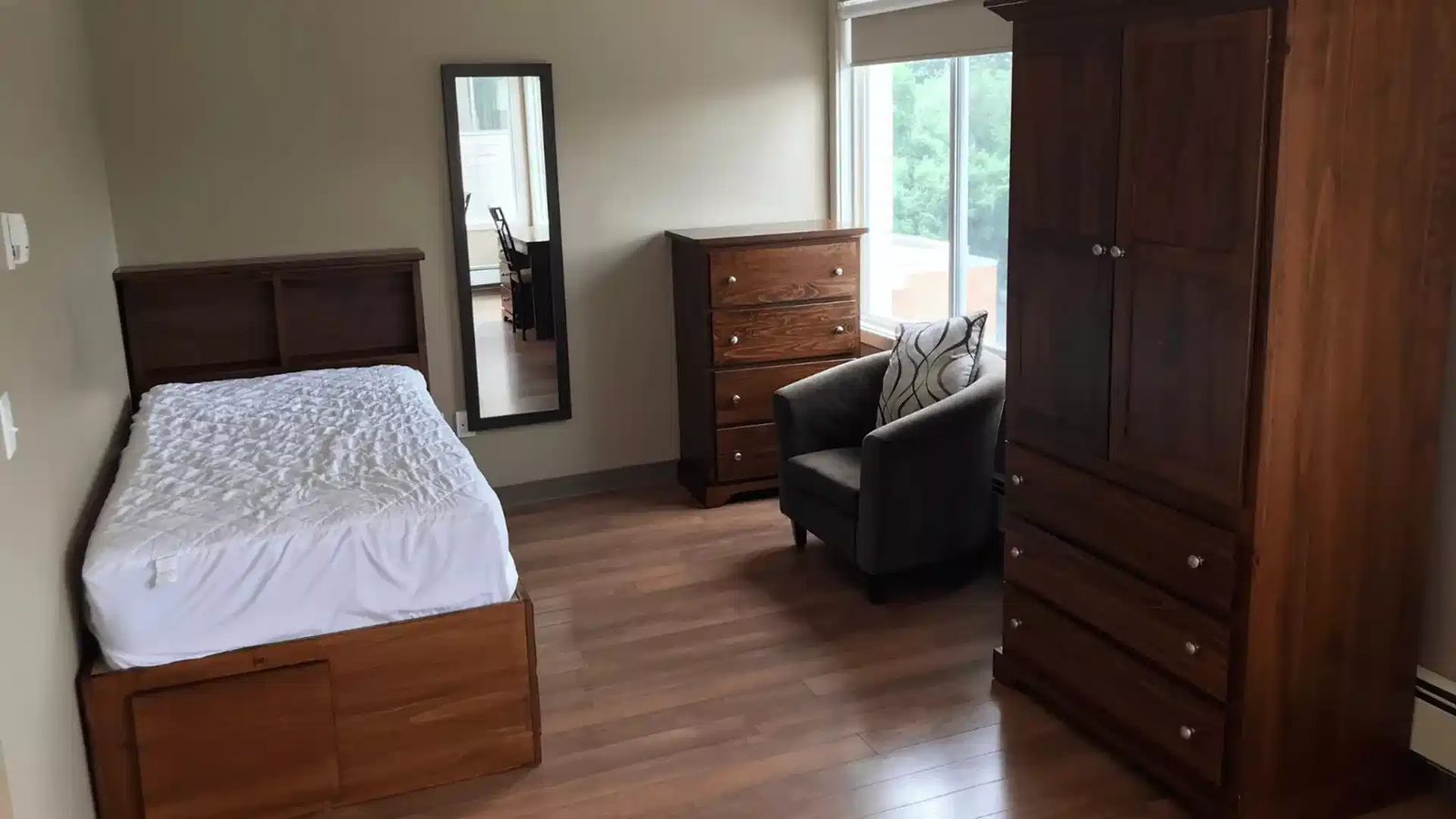
1. Underestimating Winter Commute Times Edmonton experiences long, cold winters. A 15‑minute walk in September can become a 30‑minute wait at a bus stop in January if schedules are affected by snow. If your property is not within a 10‑minute walk of an LRT station, ensure there is a frequent bus route or consider a heated underground walkway (e.g., the pedway system downtown). Many newcomers from warmer climates are shocked by the need for proper winter clothing and the impact on daily travel.
2. Leases That Don’t Match the Academic Year Student leases often run from September to August (12 months), but you may need only 8 months (September–April) if you go home in summer. Some landlords offer 8‑month terms or allow subletting. Confirm cancellation policies and sublet permissions before signing. The listed property may require a full‑year commitment — ask explicitly. Also check if you can move in early (late August) before classes start.
3. Unexpected Utility and Admin Fees The advertised rent of CAD 910 may not include electricity, heat, water, or internet. In older buildings, utilities can add CAD 50–150 per month. Some properties charge a non‑refundable application fee (CAD 50–100) or a damage deposit equal to half a month’s rent. Ask for a complete breakdown of all one‑time and recurring costs. Also note that many student housing operators require a guarantor or proof of income.
Booking Calendar for 2026–2027
To secure the listed property (since only one is available), you need to act promptly. Here is a general timeline:
-
January–March 2026: Start researching. If the property is already listed on our platform, you can contact the operator for a virtual tour or wait for in‑person showings. Some buildings allow you to reserve a unit up to 6 months in advance.
-
April–June 2026: Peak booking period for September start. Most student housing releases inventory 4–5 months ahead. If the property is not yet available, check back regularly — operators may update listings in spring.
-
July–August 2026: Last‑minute openings often appear from cancellations. However, the single property may be gone by then. If you have flexibility, consider off‑cycle start dates (e.g., January 2027) to avoid competition.
-
September 2026 – August 2027: Lease start date. Confirm move‑in day: many buildings stagger arrivals. If arriving early, you may need temporary accommodation (e.g., Airbnb) until your unit is ready.
For the 2027–2028 academic year, the same cycle applies but shifted by one year. Because only one property is listed now, it is especially important to contact the operator early and ask about waitlists or alternative units they may have off‑platform.
FAQ
1. How do I find a property close to the University of Alberta if only one is listed? Our platform currently shows a single student‑housing option in Edmonton. You can use that listing as a starting point. For a wider search, look on other rental websites (e.g., RentFaster, Kijiji, Facebook Marketplace) or contact private landlords directly. Focus on neighbourhoods like Garneau, McKernan, Old Strathcona, or near LRT stations. Consider contacting the university’s off‑campus housing office for a list of verified rentals.
2. Does the price of CAD 910 include utilities and internet? Not necessarily. Always confirm with the property operator. The indicative price may cover basic rent only. Ask specifically: Is electricity included? Is heat included? Is water included? Is high‑speed internet provided? Typically, newer purpose‑built student residences include utilities and internet within rent; older houses often require separate payments.
3. Can I book the property for a semester (September–December) instead of a full year? It depends on the operator. Many student‑focused landlords offer fixed 12‑month leases starting September. Some may allow 8‑month or 4‑month terms at a premium. Inquire directly. If short‑term is not possible, consider subletting for the summer months from a student who vacates — but ensure subletting is permitted in your lease.
4. What should I do if the property is not available when I need it? If the single listed property is already taken or doesn’t suit you, expand your search to other channels. You can also contact the operator to ask if they have upcoming vacancies or sister properties. In the meantime, consider temporary housing in a hostel, hotel, or short‑term rental for a few weeks while you look for a permanent place. Build at least two weeks of flexibility into your arrival date.
Data as of March 2026. All prices are indicative — confirm with the operator.
See also: listing details · browse more