Understanding Dijon’s Student Housing Landscape
Dijon, the capital of the Burgundy region in eastern France, is a mid-sized city known for its historic centre, mustard production, and a lively student population. The city hosts several higher education institutions, including a major public university and specialised schools, which attract both French and international students. As of the latest data, the student‑housing platform lists one property in Dijon, with a starting monthly rent of €520. This price point is indicative — confirm with the operator — and reflects the current market for a private studio or a well‑located shared room. The limited inventory on the platform means that students should start their search early and verify availability directly.
Dijon’s rental market is relatively moderate compared to Paris or Lyon, but demand from students keeps prices stable. The city is compact, with most university buildings, the central train station (Gare de Dijon-Ville), and daily amenities reachable by bicycle, tram, or bus. Understanding the logic behind neighbourhoods, how they connect to your commute, and what you can expect for a given budget will help you make an informed decision.
Neighbourhoods by Commute Logic
Dijon’s main student areas can be grouped by their proximity to the university campuses, the city centre, and the train station. Because the listed property count is very low in this dataset, the following description is based on general knowledge of Dijon’s housing geography and should be verified against your specific university location.
City Centre (Centre‑Ville)
The historic core, centred around Place de la Libération and the Palais des Ducs, offers a mix of old buildings with high ceilings, studios, and small apartments. Many students choose this area for its lively atmosphere, restaurants, and shops. Commute times to the main university campus (Montmuzard) are about 20–25 minutes by tram (line T1) or bicycle. To the medical/health campus (CHU Dijon) it is roughly 15 minutes by bus. The centre is also a 10‑minute walk from the train station. Rents for a studio start around €500–€600 per month (inc. charges), slightly above the €520 baseline. The one property in the dataset may lie in this zone, but you must confirm with the operator.
Montmuzard / Campus Area
The university campus itself is in the Montmuzard neighbourhood, northeast of the centre. This area contains the main lecture halls, libraries, and student services. Housing here includes university residences (CROUS) and private studios. Commute to classrooms is a 5‑ to 10‑minute walk. The tram line T1 connects to the city centre and the station. Private studios near campus often rent for €480–€550. Given that the dataset’s minimum price is €520, this could be a realistic option if the property is near campus. However, availability is limited, and many students apply for CROUS rooms up to a year in advance.
La Toison d’Or / Grésilles
This area to the east of the city centre hosts a major shopping centre (La Toison d’Or) and a tram line. It is about 15 minutes by tram from the campus. Rents tend to be slightly lower: a private studio averages €450–€520. The neighbourhood is more residential and quieter than the centre. For students who prefer a calmer environment and don’t mind a short commute, this can be a budget‑friendly choice.
Fontaine d’Ouche / Sud
The southern part of Dijon, near the Parc de la Colombière, offers more affordable housing (studios from €400–€480). The tram line T2 connects this area to the city centre in about 20 minutes and to the train station in 25 minutes. However, the campus is less accessible — you would need a bus (line B or L3) or a combined tram/bus journey of about 30–35 minutes. This area suits students who prioritise lower rent over proximity.
Gare de Dijon-Ville
The area immediately around the train station has a mix of older apartments and newer developments. It is ideal for students who travel frequently (e.g., to other cities on weekends). The tram and bus hub means the campus is about 15 minutes away. Rents for a studio here are typically €500–€580. The station neighbourhood is convenient, but noise can be a concern for flats facing the tracks.
Price Bands and What You Get for €520
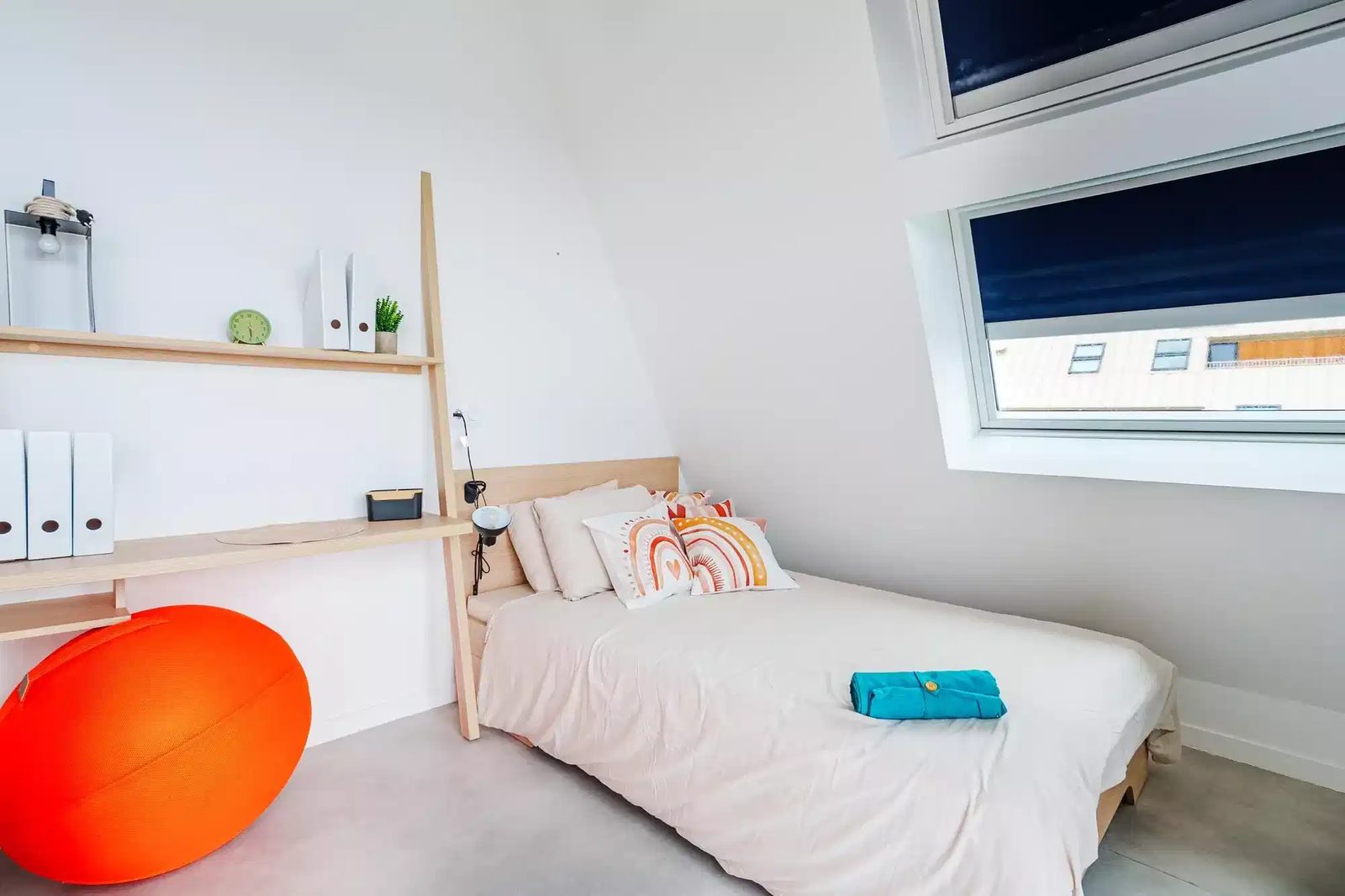
The dataset indicates a single price point of €520 per month for student housing in Dijon – a figure that is indicative and must be confirmed with the operator. Based on broader market knowledge, here is what that price typically buys in Dijon (2026/2027 estimates, subject to change).
- Private studio (17–25 m²): In most neighbourhoods, €520 covers a furnished studio with a separate kitchenette and bathroom. Charges (water, heating, building maintenance) are usually included in the “charge comprise” rent. Electricity and internet are extra (€40–€60/month combined).
- Shared apartment (colocation): For the same price, you might get a large private room (12–15 m²) in a shared flat of 3–4 people, with shared kitchen and bathroom. Colocations often include charges and sometimes internet, but check the contract.
- CROUS university residence: If you are eligible (European or international student with certain criteria), a CROUS room costs around €300–€450 per month, but availability is extremely limited. The €520 figure is above the typical CROUS price, so the listed property is likely private.
Important: The €520 figure is a minimum, meaning the cheapest known option on the platform. Most other private rentals in Dijon range between €480 and €650 for a studio. The limited sample size (one listing) makes it impossible to draw robust price‑band conclusions; therefore, always cross‑reference with multiple sources.
How Local Universities Map to Housing Areas
Although the dataset does not list specific universities, Dijon is home to several higher education institutions. For the purpose of this guide, we describe general patterns. You will need to check which institution you are enrolling in.
- Université de Bourgogne (uB) – Main campus in Montmuzard. Most classes in sciences, humanities, law, economics, and sports are here. Students should prioritise Montmuzard, Centre‑Ville, La Toison d’Or, or any area within a 25‑minute tram ride.
- CHU Dijon / Health Sciences – Located near the Hospital Centre (CHU) in the D’Antigny neighbourhood (south part of the city). Best housing areas: Centre‑Ville (15 min bus), Fontaine d’Ouche (20 min bus), or the south of the city (walking distance).
- Burgundy School of Business (BSB) – Its campus is near the La Toison d’Or shopping centre. Ideal neighbourhoods: La Toison d’Or itself (walking), Centre‑Ville (15 min tram), or Grésilles (10 min walk).
- Other specialised schools (engineering, art, etc.) – Most are located either in the city centre or in the Montmuzard science district. Check your school’s address.
Mapping rule of thumb: If you study at uB (main campus), aim for neighbourhoods served by tram T1 or bus lines L3/L5. If you study at BSB, look near La Toison d’Or. If you are in health sciences, consider the southern parts of Dijon. Since the dataset has zero universities listed, this advice is based on common local knowledge; verify with your institution before signing a lease.
Three Common Pitfalls for Student Renters in Dijon
Even with a clear budget and neighbourhood preference, student renters in Dijon can encounter problems. Here are three pitfalls to watch out for.
1. French Guarantor Requirements (Garant Visale)
Most private landlords in France demand a guarantor who earns at least three times the monthly rent and lives in France. International students often lack such a guarantor. While the state‑backed scheme Garant Visale (free, for students under 30) exists, not all landlords accept it. Pitfall: You may be asked to pay extra deposit or turn down the property altogether. Solution: Secure a Garant Visale certificate as early as possible (apply online through the official platform). Even with the one listing at €520, confirm with the operator whether Visale is accepted.
2. Energy Performance Certificate (DPE) Standards
Since 2023, French law prohibits renting properties classified as F or G (the worst energy ratings) for new tenants. Some older buildings in Dijon’s historic centre have low DPE ratings. Pitfall: A seemingly cheap studio (e.g., €450) might be illegally occupied, or rent may be frozen until renovation. The €520 property might have a good rating, but always ask for the DPE score. If it is E or below, factor in higher electricity bills.
3. Lease Length and Mobility Law
Standard leases in France are for one year (unfurnished) or one year, renewable (furnished). However, under the “Mobility Law” (loi 2018‑1021), students can sign a short‑term lease of 1 to 10 months if they are enrolled in a temporary course or have a mobility contract. Pitfall: Some landlords refuse short‑term leases and insist on a full year, locking you into paying rent even if you leave in June. Solution: Explicitly ask for a “bail mobilité” if you need flexibility. For the one listing, verify the lease type and whether you can give notice early (the mandatory notice period is one month for furnished rentals).
Booking Calendar for 2026 and 2027
Finding student housing in Dijon requires planning. Below is a typical timeline based on the academic calendar. All dates are indicative – confirm with the operator.
- Early 2026 (January–February): If you plan to start in September 2026, begin your search now. University residences (CROUS) open applications in January. Private landlords start listing for the next academic year. At this stage, the one property at €520 might already be listed; check the platform.
- March–May 2026: Peak search time for September intake. The platform may have more listings (though data shows only one for Dijon). Contact operators early. If you need a bail mobilité for a short semester (e.g., January 2027), look in September–November 2026.
- June–August 2026: Last‑minute availability – prices may drop slightly, but stress increases. For a January 2027 start, this is a quiet period; use it to research.
- September 2026: Busy move‑in month. Few remaining listings. If you missed earlier windows, you may need to take a more expensive or less convenient option.
- October–December 2026: Off‑season. If you are searching for a spring 2027 term (January/February start), start in October. Landlords list with short lead times.
- Early 2027 (January–February): Spring semester arrivals. The one listing may still be available, but demand from second‑semester students exists. Secure housing by December 2026.
- March–May 2027: For September 2027 intake, begin initial research. The cycle repeats.
Tip: Because Dijon has only one property on the platform at the time of writing, you should also consult local agencies, Facebook groups (“groupes de logement étudiant Dijon”), and the university’s housing service. The platform’s inventory may grow over time, but do not rely solely on it.
Frequently Asked Questions
1. Do I need a French guarantor to rent the property at €520?
Most likely yes, unless you use Garant Visale (free state guarantee for students under 30) or your landlord accepts a foreign bank deposit. The operator can confirm whether Visale is accepted for this specific listing. If not, be prepared to provide a guarantor with French income or a solid alternative (e.g., a deposit of several months’ rent).
2. What kind of accommodation can I expect for €520 in Dijon?
Indicatively, €520 per month (charges included) typically buys a private studio of around 18–22 m² in a neighbourhood like Montmuzard or Centre‑Ville, or a large room in a shared flat. The exact size and condition vary by property. You must contact the operator for photos, floor plan, and energy rating. The price may exclude electricity, internet, and tenant insurance.
3. Can I view the property in person before signing?
If you are not in Dijon, some operators offer virtual visits or photos. However, it is strongly recommended to arrange a live video call or ask someone you trust to view the flat. For the one listing, ask specifically about visit options. Scams are rare on established platforms, but never send money before verifying the property.
4. Are utilities included in the €520 rent?
Typically, for private student housing in France, the rent is “charge comprise” – meaning water, building heating (if collective), garbage tax, and common area maintenance are included. Electricity and internet are usually separate. The lease should itemise “charges” vs “loyer.” Confirm with the operator exactly what is included at €520. If the property is an individual studio with electric heating, you may pay €30–€60/month for electricity.
Data updated: 2026-01-15. Prices and availability are indicative – confirm with the operator.
See also: listing details · browse more