What Campus Reviews Reveal
Zhejiang University (ranked 49th in the QS World University Rankings as of 2025) occupies a large campus at 866 Yuhangtang Road in Hangzhou’s Xihu District. With a Google rating of 4.6 stars from 287 reviews, the university is well-regarded by visitors and students alike. The reviews offer practical clues for someone looking to live nearby.
One reviewer, Varis Manasvanich, gave 5 stars and wrote: “I have a lot of memories in this place. University are open for tourists come in side and see big mao president statue. Nice view nicw memories.” This confirms that the campus is open to the public and has a notable landmark — something that may matter if you like an open, walkable environment.
Olivia Chung (3 stars) noted: “Visited the university when i was in Hangzhou. Relaxed atmosphere with hidden cafes. Many spots to sit down and take in the scenery.” The presence of hidden cafes suggests the area around campus has a relaxed, student-friendly vibe with places to study or unwind.
Félix An (5 stars) wrote: “A good place to study in China. The curriculum is not easy, but it will reward you. A portion of the community is very welcoming, and there are plenty of things to do to keep you motivated on your studies.” This indicates that the academic environment is demanding yet supportive, and that the surrounding neighbourhood offers enough activities to maintain motivation. Housing that provides a quiet study space while being close to campus amenities would be ideal.
Christopher Looi (5 stars) simply stated: “A very large and reputable university in China and the world.” The sheer size of the university — which includes multiple campuses (Zijingang, Yuquan, Xixi, and others) — means that “living near campus” can mean very different things depending on which campus you study at. The main address given is 866 Yuhang Tang Lu, Xihu District, which points to the Zijingang (Purple Harbour) campus, the largest and most modern. Most new students and international programmes are based here.
City Context – Hangzhou
Hangzhou is the capital of Zhejiang Province, roughly 170 km southwest of Shanghai. It is famous for West Lake (Xihu) and its historic canals, tea plantations, and tech industry (Alibaba is headquartered here). The city has a population of around 12 million, a well-developed metro system (currently 10+ lines, constantly expanding), and a moderate subtropical climate with hot summers and cool winters.
For a student, the cost of living in Hangzhou is generally a bit lower than in Shanghai or Beijing, but rent in the Xihu District — especially near the university — can be higher than in outlying areas. The campus is near the Yuhangtang River and close to the Xixi National Wetland Park, offering both natural scenery and access to shopping streets like Huanglong and Wensan Road.
Public transport: Metro Line 2 and Line 5 have stations near Zijingang campus (Xiajiangcun Station and Zijingang Campus Station, respectively). Buses and ride-hailing apps (Didi) are widely used. Cycling is popular — Hangzhou has one of the largest public bike-sharing systems in China.
Budget Bands for Student Housing (2026–2027)
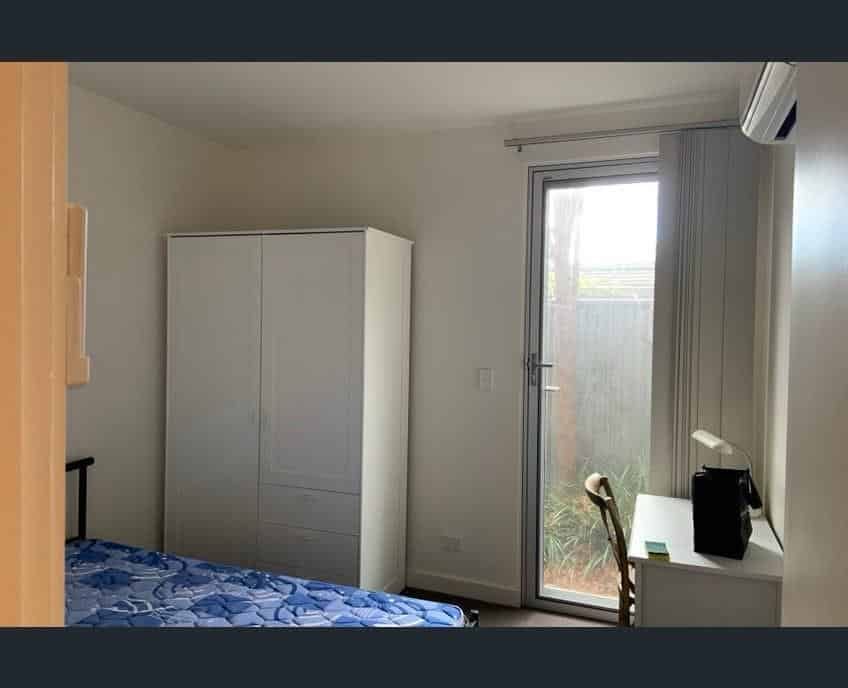
Prices vary significantly depending on the type of housing (dormitory, shared apartment, private studio) and its distance from campus. The figures below are indicative — confirm with the operator before signing a lease.
- University dormitory (on-campus): 900–1,800 CNY per month (electricity and water usually separate). Limited availability; priority often given to Chinese degree students. International students may have access but should check with the university housing office directly.
- Shared apartment (off-campus, 2–3 bedrooms, per person): 1,500–3,000 CNY per month. Typical for groups of students renting a flat in residential compounds like Zijingang or Jiangcun areas. Utilities (water, electricity, internet) are extra, roughly 200–400 CNY per month total.
- Studio / single apartment (off-campus): 3,000–6,000 CNY per month. More privacy but higher cost. Found in new developments near the Wanda Plaza or along Gudun Road.
- Short-term rentals (Airbnb-type, 1–3 months): 5,000–8,000 CNY per month for a private room in a shared apartment. More expensive but flexible.
All prices are for the 2026–2027 academic year range. Currency is Chinese Yuan. Expect annual rent increases of 3–5%. Always ask if the price includes property management fees (usually 1–2 CNY per square metre per month).
Walk vs Transit Trade-Off
Zijingang campus covers about 3.2 square kilometres. The academic buildings, libraries, and dining halls are spread out, so even inside campus you might need a bicycle or scooter. For off-campus housing, the trade-off is:
-
Walking distance (within 15 minutes to main gate): Apartments in the compounds directly east and south of campus (e.g., along Gudun Road and Shenhua Road) can be 20–30% more expensive than those further out, but you save on commuting time and cost. No metro or bus ticket needed.
-
Transit commute (20–40 minutes by metro or bus): Areas along Metro Line 5 (e.g., Liangzhu, Cangqian) or Line 2 (e.g., Fengqi Road, Qingchun Square) offer lower rent — a shared room might be 1,200–2,000 CNY per month — but you add 4–8 CNY per trip for metro (or 150–300 CNY per month for a transit pass). Time cost: 40 minutes each way adds up to 6–7 hours per week.
-
Cycling (within 30 minutes): Many students prefer electric bikes (e-bikes), which cost around 2,000–4,000 CNY to buy or 200–400 CNY per month to rent. They offer flexibility and avoid metro queues. The area around the university is bike-friendly with dedicated lanes.
If you value study time and social life, paying a premium for closer housing may be worth it. If your budget is tight, commuting from slightly farther stations (like Liangzhu) can work, but check the last metro times (usually around 10:30–11 PM) and weekend frequency.
Shortlist Logic: How to Narrow Down Your Options
When you look at available housing near Zhejiang University, apply the following filter logic to build a shortlist of up to five places to visit. Since the official data does not provide a specific list of residences, use these criteria based on location and reviews:
-
Campus proximity – Focus on compounds within 2 km of the Zijingang campus main gate (Yuhangtang Road). Use map apps (Baidu Maps or Gaode) to check walking time. Avoid apartments that require crossing a highway interchange.
-
Public transport – If walking is not possible, prefer locations within 400 metres of a metro station (Line 2 or Line 5) or a bus stop with frequent routes to campus.
-
Safety and legality – Choose residential communities with a front desk (security guard) and CCTV. Avoid “village houses” in old areas unless you have local help to verify the landlord. In China, renting from a legitimate agency (e.g., Ziroom, Beike) is safer, though we cannot endorse specific brands; you can search for “student housing Hangzhou” on legal platforms.
-
Online reviews – Check local forums or student groups (WeChat groups are the most common). Ask current ZJU students about their experience. Some neighbourhoods to investigate: Jiangcun (west of campus) has many new apartment buildings; Shenhua Road (south) has older but affordable flats; Gudun Road (east) is pricier but close to the metro and a shopping mall.
-
Match to study habits – If you need absolute quiet, avoid apartments directly above restaurants or busy streets. If you like socialising, look for compounds with a common room or near cafes. The review by Olivia Chung noted “hidden cafes” — consider the Wensan Road area or near the Xixi Wetland entrance, which have a similar relaxed vibe.
-
Budget – Decide a maximum monthly rent (including estimated utilities) and discard any listing that exceeds it by 20%. Room-in-shared arrangements typically have lower upfront costs (one month deposit + one month rent). Studios may require 3 months’ rent in advance.
Once you have 3–5 candidates, visit them in person (or do a video tour if not in China). Check the water pressure, internet stability, noise level, and whether the landlord allows registration of temporary residence (important for visa procedures).
FAQ
Q1: Is it better to live in a university dormitory or rent off campus?
On-campus dorms are cheaper (indicative 900–1,800 CNY/month) and more social, but availability is limited, especially for international students. Off-campus housing gives more privacy and flexibility but is typically more expensive. If you value independence and can budget 2,500–4,000 CNY/month, off-campus is a good choice. Always confirm dormitory eligibility with the university housing office directly.
Q2: How do I find a flatmate or a room near ZJU?
Many students use WeChat groups (search for “ZJU housing” or “浙大租房” in Chinese). You can also post on campus bulletin boards or ask the student union. Avoid paying any deposit before seeing the room in person or verifying the landlord’s identity. A typical arrangement is three students sharing a 3-bedroom apartment, each paying 1,500–2,500 CNY/month.
Q3: What utilities and other monthly costs should I expect?
Electricity: around 0.6–0.9 CNY per kWh. Water: about 3–5 CNY per tonne. Internet fibre: 50–150 CNY per month depending on speed. If you rent a whole apartment, property management fees (物业费) are often 2–4 CNY per sqm per month — ask whether they are included in the rent. Total utilities for a shared room: roughly 200–400 CNY/month.
Data date: 2026-03-01. All prices are indicative — confirm with the operator before any contract.
See also: listing details · browse more