What Campus Reviews Reveal
The University of Warsaw, a public research university founded in 1816, occupies a historic campus along Krakowskie Przedmieście in the city centre. With a Google rating of 4.4 from over 1,200 reviews, the institution draws both praise and criticism from students and visitors. Reviews highlight the architectural beauty of the buildings and the cultural value of its museum, but also point to concerns about the education system.
One reviewer, Buster Got it, gave a 3-star rating and noted: “Beautiful architecture but… I see lot of students complaining about the education system.” This suggests that while the physical campus environment is appealing, prospective students should research academic quality on their own terms. Another visitor, j R., commented (5 stars): “I pass next to it. Didn’t had the chance to walk in. The beautiful gate is amazing.” The gate and historic facade are clearly landmarks. Nagham El Rais (5 stars) described the museum: “Each hall is dedicated to a special type of: one for historical documents, one for science discoveries and experiments and others.” And Willy Dinata (5 stars) called the university “a beacon of intellectual excellence” and noted that its “presence adds a dynamic cultural dimension to the area.”
These reviews indicate that the surrounding neighbourhood is lively and culturally rich. For students seeking housing, the location offers easy access to green spaces, museums, and city life. However, the mixed feedback on teaching means that housing choice should also factor in study environment preferences – some students may prefer quieter residential areas over the busy centre.
City Context: Warsaw as a Student Destination
Warsaw is Poland’s capital and largest city, with a population of about 1.8 million. It is a major economic and cultural hub in Central Europe. The University of Warsaw’s main campus sits in the Śródmieście district, close to the Old Town and the Vistula River. Public transport includes an extensive metro system, trams, and buses, all operated under a single ticketing scheme.
Rental demand is high near the university, especially from domestic and international students. The city has a mix of older tenement buildings (kamienice) and modern apartment blocks. Many purpose-built student residences are located in districts such as Mokotów, Ochota, and Praga, as well as near the main campus. The cost of living in Warsaw is moderate compared to Western European capitals, though prices have risen in recent years.
Budget Bands for Student Housing
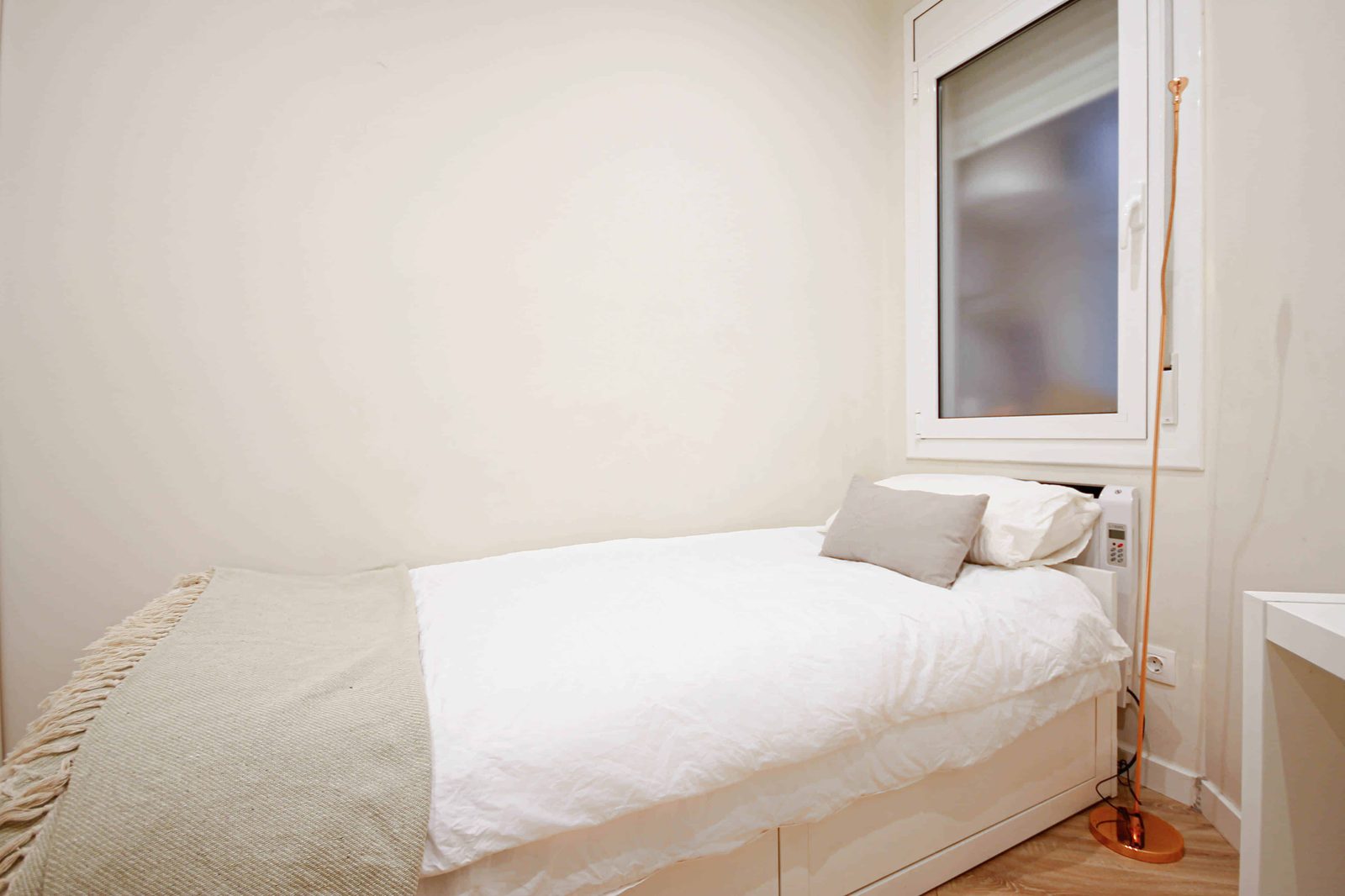
Housing costs vary by distance from campus, property condition, and whether utilities are included. The figures below are indicative – confirm with the operator or landlord before signing any agreement.
- Budget band (low): 400–600 EUR per month (indicative). This typically covers a room in a shared apartment (3–4 bedrooms) in districts like Ochota or Praga, 20–30 minutes by public transport from the main campus. Utilities and internet may be extra.
- Mid band: 600–900 EUR per month (indicative). A single room in a newer shared apartment or a small studio in a student residence within 15–20 minutes’ walk or tram ride. Bills often included in residence halls.
- High band: 900–1,300 EUR per month (indicative). A one-bedroom or large studio in the city centre near the university. This includes modern buildings with concierge and gym facilities, but such options are limited.
Note that purpose-built student accommodation in Warsaw usually charges 500–800 EUR per month for a single room in a cluster flat, with all bills included. Always check the contract for deposit (typically one month’s rent) and cancellation terms.
Walk vs Transit Trade-off
The University of Warsaw’s main campus is walkable from many central neighbourhoods. Living within a 1.5 km radius allows you to walk to lectures in 15–25 minutes. Streets such as Nowy Świat and Krakowskie Przedmieście are pleasant for walking, but rents are highest in this zone.
A transit-based choice can reduce housing costs by 15–25%. Tram lines 4, 15, and 18 run along Marszałkowska and Jana Pawła II, connecting districts like Służewiec (south) and Żoliborz (north) to the campus in 20–30 minutes. The metro line M1 also stops at Centrum, a 10-minute walk from the main gate. A monthly student travel card costs approximately 10 EUR (indicative), making commuting affordable.
The trade-off: longer travel time (30–40 minutes each way) versus lower rent and possibly quieter surroundings. Students who prefer a quiet study environment often choose districts like Mokotów, which has park areas and good transport links. Those who value proximity to cafés and nightlife may opt for Śródmieście despite higher rent.
Shortlist Logic for Choosing a Residence
No official list of specific nearby residences is provided in the university’s data. However, the following general logic can help you shortlist options:
-
Distance to your faculty. The university has multiple campuses – the main campus on Krakowskie Przedmieście, plus faculties in Ochota (science), Służewiec (some social sciences), and elsewhere. Check where your lectures will be held. Use a travel time of 30 minutes by public transport as a maximum acceptable threshold.
-
Budget and included services. Compare total monthly cost including utilities, internet, and any service fees. Residence halls often include these, while private apartments may not. Be aware of one-off payments such as agency fees (common in Poland, typically one month’s rent).
-
Contract flexibility. Student residences usually offer contracts aligned with the academic year (10–12 months). Private landlords may demand a minimum 12-month lease. Some operators allow summer breaks, but confirm this in writing.
-
Room type and privacy. If you need quiet for studying, look for single rooms in flats with no more than three other tenants. Avoid ground-floor rooms facing busy streets, as noise can be an issue in central Warsaw.
-
Safety and amenities. Warsaw is generally safe, but check the area at night. Look for properties with secure entry, bike storage, and nearby grocery stores (e.g., Żabka, Biedronka). For shared flats, ask about cleaning schedules and how bills are split.
-
Check reviews of the building management. On platforms such as Google Maps, search for the residence address to read student reviews. Pay attention to comments about maintenance responsiveness, deposit return, and noise insulation.
Using these criteria, compile a shortlist of 4–6 options. Visit in person if possible, or request a virtual tour. Always ask for a sample contract before paying any deposit.
FAQ
How far in advance should I start looking for housing near the University of Warsaw?
Start searching 2–3 months before the academic year begins (usually October). Many student residences open booking in March for the following year. If you arrive in summer for preparatory courses, look early – September is the busiest move-in month.
Are there any areas I should avoid for safety reasons?
Warsaw is generally safe, but like any large city, some areas can feel less secure late at night. Districts to exercise caution: parts of Praga Południe (especially around Stadion Narodowy after dark) and some blocks in Włochy. Stick to well-lit main streets and use trusted taxi apps (e.g., Uber, FreeNow). Always check local crime maps and ask current students for advice.
Can I find short-term housing (e.g., 3 months) near the university?
Yes, but options are limited. Short-term rentals are often more expensive per month. Some student residences offer flexible stays during spring or summer. Check platforms that list furnished apartments for a few months, but expect prices 20–30% higher than a standard 12-month lease. Always read cancellation policies carefully.
Data-date: 2026-01
See also: listing details · browse more