What Campus Reviews Reveal About the University of Tehran
The University of Tehran, founded in 1934, is Iran’s oldest and most prestigious higher education institution. It holds a QS global ranking of 322 and sits at the heart of the capital, at Enghelab Square – a location that places students close to both historic Tehran and modern administrative hubs.
Reviews from students and visitors consistently highlight the campus atmosphere and academic environment. One graduate, Pouria Parhizkar, wrote: “I completed my studies at the best university in Iran and one of the largest in the Middle East — good memories.” Another reviewer, Ali Bahmani, noted: “I got my undergrad degree here and have helped many foreign visitors to get inside to see around, as it’s not allowed to just walk in. I am quite sure every one who visits this place likes it.” A longer review by dr.moghadam lawyer describes it as “Iran’s oldest and most prestigious university, often referred to as the ‘mother university’ of the country,” adding that the institution “serves as a center for higher education, research, and cultural development.” Meanwhile, Airyana Waējah praised the “vast and diverse” campus and the “highly knowledgeable and dedicated” faculty.
These perspectives underline that the University of Tehran is not just an academic hub but also a central landmark in the city. For students planning to live nearby, understanding the campus culture and surroundings is the first step toward choosing accommodation wisely.
City Context: Tehran’s Housing Landscape
Tehran is a sprawling metropolis with a population of over 8.5 million. The university’s main campus is located in central Tehran, on Azar Street near Enghelab Square – a vibrant intersection of student life, bookshops, cafes, and government buildings. The area is well-connected by metro (Enghelab Station on Line 4) and bus routes, making it a convenient base for students.
The housing market in Tehran is diverse, ranging from shared apartments in older buildings to modern complexes in northern districts. Most students opt for rental apartments (often termed “اجاره” in Persian listings). Contracts are typically annual, but shorter-term options exist through private landlords or student housing networks. Given the city’s traffic congestion and air quality concerns, proximity to campus is a major factor.
For international students, it is worth noting that property rental transactions in Iran are often conducted in person, with agents or landlords expecting cash deposits in Iranian Rials (IRR). Exchange rate volatility can affect actual costs, so any price quoted should be treated as indicative — confirm with the operator before committing.
Budget Bands for Student Housing (Indicative — Confirm with the Operator)
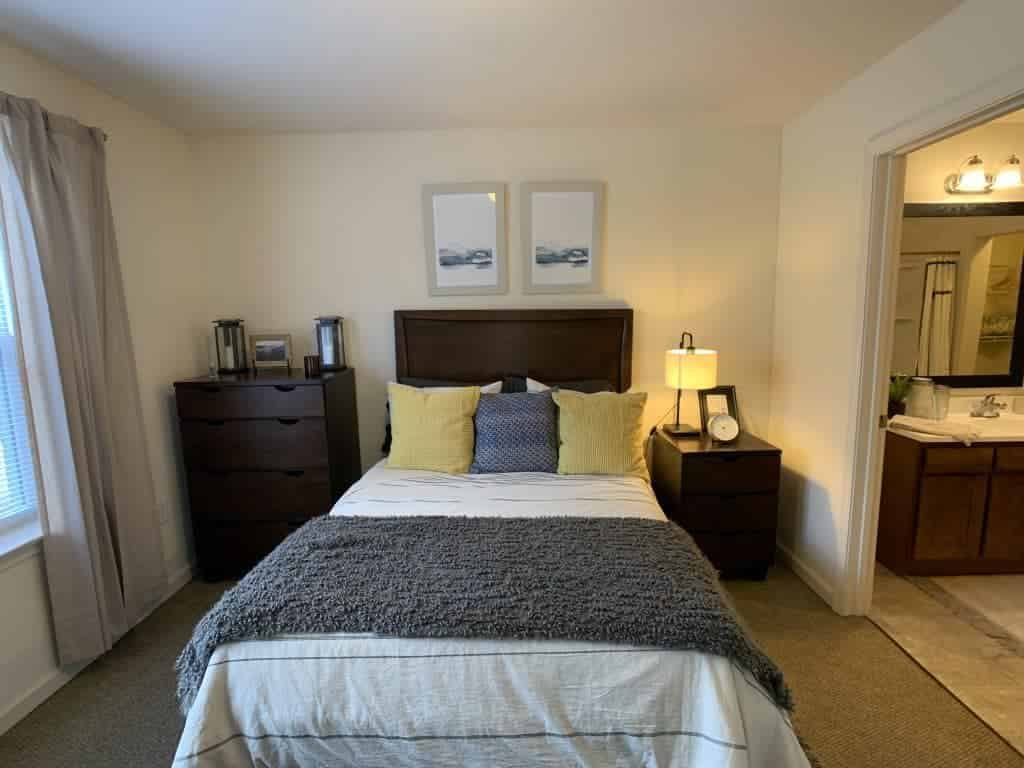
Rental prices in Tehran vary widely by district, apartment size, and condition. Below are rough monthly rent ranges for single-room or shared accommodation near the university, expressed in Iranian Rials. These figures are indicative and subject to change – always verify with local landlords or agencies.
- Low budget (80–150 million IRR per month): Shared rooms in older buildings within a 2–3 km radius of campus. Typically basic furnishings, common bathroom and kitchen. Suitable for students who prioritise low cost over comfort.
- Mid budget (150–300 million IRR per month): Private studio or one-bedroom apartment in a moderate-condition building within walking distance or a short metro ride (10–15 minutes). Often includes a private bathroom and a small kitchenette.
- High budget (300–500+ million IRR per month): Larger apartments (two bedrooms) in newer buildings or better-connected northern suburbs like Vanak or Gisha, requiring a 20–30 minute commute by metro or taxi. Some include furnished options, elevator, and security.
Note: Prices do not include utilities (gas, electricity, water) which are typically paid separately and are relatively low in Tehran. Deposit (usually 3–6 months’ rent) is also common.
Walk vs Transit: How to Choose Your Location
The University of Tehran main campus is surrounded by several residential neighbourhoods. The trade-off between walking distance and commuting convenience often comes down to budget and personal tolerance for Tehran’s traffic.
Walkable Areas (up to 20 minutes on foot)
- South and east of Enghelab Square: Dense, older neighbourhoods with low-rise apartments. Streets like Azar, 16 Azar, and North Kargar are within a 10–15 minute walk to main lecture halls. Rent is generally in the low-to-mid budget range. Noise levels can be high, and buildings may lack modern amenities.
- West of campus (toward Amir Abad): A mix of student housing and small shops. Walking time to the central library or Faculty of Law is roughly 15–20 minutes. Mid-budget options dominate.
Transit-Dependent Areas (metro or bus ride)
- Vanak and Gisha (northwest): More modern, higher-end apartments. These areas require a 20–30 minute metro ride (Line 1 or 3 transfer) plus a short walk. Rent tends to be high budget. Trade-off: better air quality, newer buildings, and more grocery stores.
- Valiasr Street and Tajrish (north): Green neighbourhoods with larger apartments. Commute by taxi or bus can take 40 minutes in rush hour. Suitable for those who prefer quiet surroundings.
- Southern Tehran (e.g., Rah Ahan): Lower rent but longer commutes (30–50 minutes by bus). Not commonly chosen by international students due to safety and connectivity concerns.
For most students, the walkable radius is the most practical choice, saving time and the daily hassle of navigating Tehran’s often-congested streets. However, if you value quiet surroundings and are willing to commute, the northern suburbs offer a different lifestyle.
Shortlist Logic Using Nearby Residences
Because no specific nearby residences were provided in the data set, the shortlist logic below is based on the known geography of the University of Tehran and typical student housing patterns. When you search for actual listings, apply these criteria:
- Start with the campus footprint: Filter apartments within 1 km of Enghelab Square. Use a map (Google Maps or local equivalents) to identify buildings along Azar Street, 16 Azar Street, North Kargar Street, and Amir Abad. These are the most common student corridors.
- Check the metro line: Enghelab Station (Line 4) is on the doorstep. If you must live further away, ensure your chosen neighbourhood has a direct metro connection (Line 4 runs east-west; Line 1 and Line 3 intersect). Avoid areas requiring multiple bus changes.
- Consider shared vs private: If your budget is low, look for shared flats (خوابگاه یا سوئیت اشتراکی) advertised on local noticeboards near the university’s entrance. For mid-to-high budgets, contact real estate agencies specialising in student rentals around the campus.
- Read reviews of the building: Ask current students or check Google Maps reviews for specific apartment complexes. Avoid buildings with recurring complaints about noise, security, or maintenance.
- Inspect in person: If you are in Tehran, visit the neighbourhood during both day and evening. Walk from the apartment to the nearest faculty building to gauge walking comfort and safety.
Remember: listings often change rapidly. Shortlist 3–5 options and then confirm availability directly with the operator. All prices should be treated as indicative.
Frequently Asked Questions
1. Can international students rent private apartments near the University of Tehran?
Yes, international students can rent private apartments without significant legal barriers. However, many landlords require a local guarantor or a larger deposit. Some students use accommodation brokers or ask university international offices for referrals. Contact the university’s international student services (available on their main website) for verified lists of rental resources. Always confirm tenancy terms in writing and verify the identity of the landlord.
2. What is the average monthly rent for a studio near the campus?
Based on current market data (indicative — confirm with the operator), a basic studio within a 15-minute walk of the main campus typically costs between 150–250 million IRR per month. A slightly larger apartment with separate kitchen may range from 200–350 million IRR. Prices rise sharply for newer buildings or furnished units. For a more precise figure, search online rental platforms (do not use external domains here; ask locally).
3. What documents are needed to rent a property in Tehran?
Landlords generally request:
- A copy of your passport and student visa (or valid residence permit)
- A deposit (usually 3 to 6 months’ rent) – often paid in cash or via bank transfer in IRR
- A signed rental contract (اجارهنامه) – get a Persian translation if needed
- Possibly a guarantor (ضامن) or a reference letter from the university
- Utility registration (for electricity/gas/water) – sometimes handled by the landlord
Having a local contact or a reliable translator can speed up the process. Always keep copies of all signed agreements.
Last updated: February 2026 – Prices and availability are indicative. Confirm all details with the operator before making any commitments.
See also: listing details · browse more