What campus reviews reveal about life at Sussex
The University of Sussex holds a Google rating of 4.3 from 561 reviews, placing it in the solidly positive range. But beyond the aggregate score, individual reviews tell a nuanced story – one that matters if you are deciding where to live while studying here.
A recurring theme in reviews is the campus itself. Roger, writing about an open day visit, noted: “The whole experience was positive but there is a few things in my opinion will make the experience much more positive. In the invitation to the open day there is no specific information of where to park.” For students arriving by car, this is a logistical point to plan ahead – but for most international and domestic students, on-campus parking is rarely a daily concern.
Alexandra, an international student who spent four years at Sussex, gave a 5-star review: “I absolutely loved it! They gave us so many opportunities: internships, jobs with the uni etc. The professors were usually understanding of our situations and for exceptional circumstances they always they their best to accommodate.” This suggests a supportive environment, which can also extend to accommodation: many students find that living close to campus helps them access those opportunities and connect with staff.
Pavan Sagar, who completed an MSc in International Management, praised the academic standards: “The university truly reflects global standards of academic excellence, diversity, and innovation. The faculty are highly knowledgeable and supportive.” A campus that fosters diversity and innovation often attracts students from many countries – meaning your fellow residents in nearby housing will likely be a mix of backgrounds, which can make sharing kitchens and common areas a culturally enriching experience.
One review – a 3-star from Z A – offers a counterpoint: “Very impressive toilets, more sanitary than most. Oppressive architecture and unwelcoming atmosphere. Reminds me of my area back in East London. Bland and mediocre food. All students very nice and accommodating. Overall an alright university.” The architecture at Sussex (notably the 1960s brutalist Falmer campus) is an acquired taste. If you prefer a more modern, glass-and-steel aesthetic, you might want to look at purpose-built student accommodation (PBSA) in Brighton or near the campus that offer newer interiors. However, the review also confirms that students themselves are “very nice and accommodating” – a positive sign for house-sharing dynamics.
Brighton and the local context
The University of Sussex is located in Falmer, a village on the outskirts of Brighton, on the south coast of England. Brighton is a vibrant seaside city known for its creative scene, independent shops, music venues, and the famous Brighton Palace Pier. It has a large student population (University of Sussex and University of Brighton), so the local rental market is well-established with many options tailored to students.
The campus address is Falmer, Brighton BN1 9RH. The nearest train station is Falmer, which is only a few minutes’ walk from campus. Trains to Brighton city centre take about 8–10 minutes, running frequently. There are also bus services (the 25, 25X, and 28/29) connecting Falmer to Brighton and Lewes.
Living in Brighton city centre gives you access to the nightlife, shops, and seaside, but means a daily commute of roughly 20–30 minutes by train or bus. Living in Falmer or nearby villages like Stanmer means you can walk to campus (5–15 minutes) but have fewer amenities – you would rely on the campus shop, a small Co-op in the village, or take a short bus into Brighton for groceries and entertainment.
Budget bands for student housing (2026/2027)
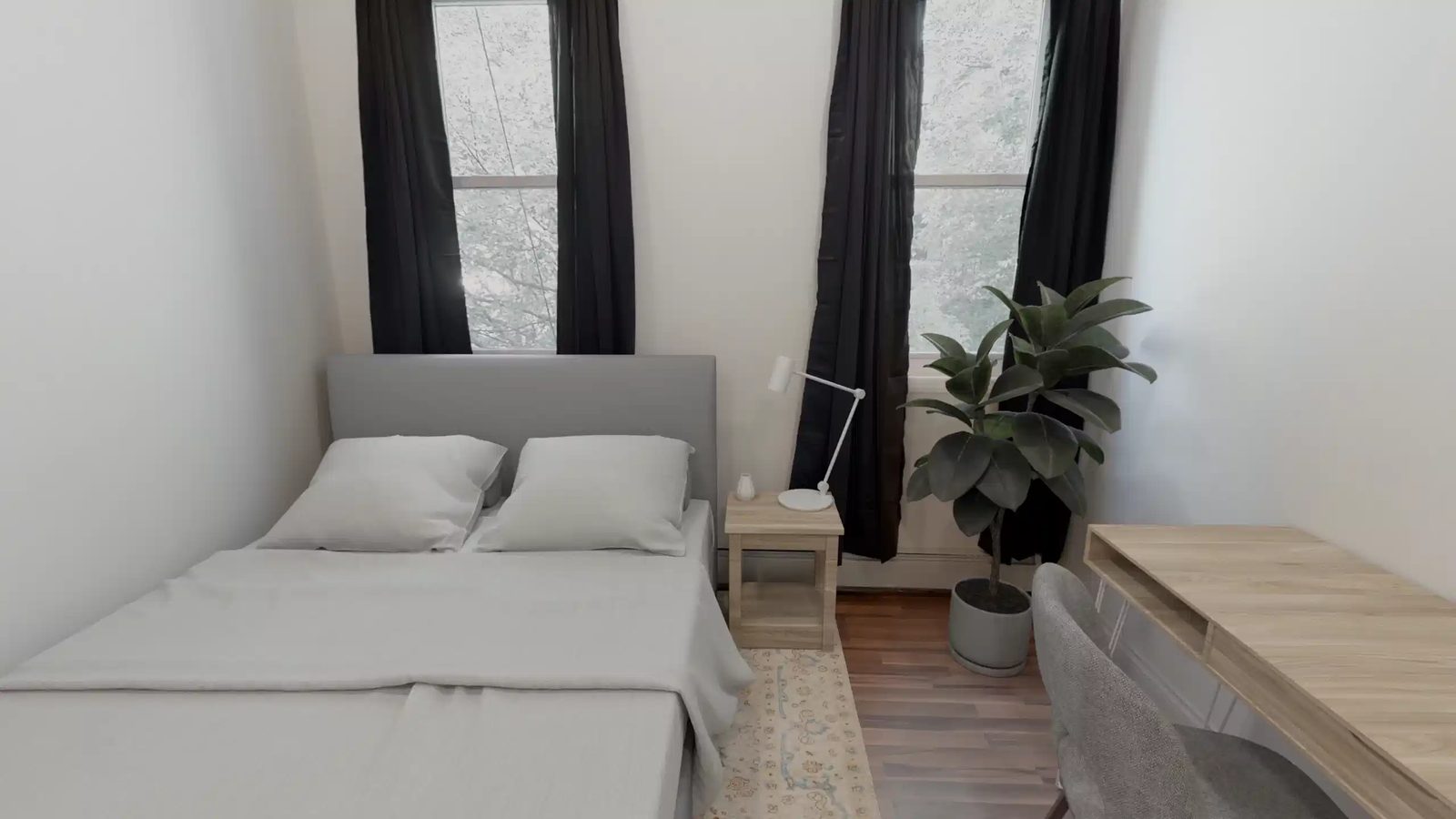
Housing costs in and around Brighton vary significantly by location and type. All figures below are indicative – confirm with the operator.
Lower budget (off‑campus house shares in Brighton)
£130 – £180 per week. You can rent a room in a shared house (HMO) in areas like Lewes Road, Moulsecoomb, or Hanover. These are typically older properties, often with shared kitchens and bathrooms. Bills may or may not be included. Commute: 20–30 minutes by bus/ train.
Mid budget (PBSA near campus or city centre)
£180 – £250 per week. Purpose-built student accommodation often includes bills, contents insurance, and on-site management. Rooms may be in shared flats (cluster) or en-suite studios. Some are located on the edge of campus (e.g., East Slope, Park Houses – though those are university-managed, which we cannot name by brand). In the private market, look for properties within a 1‑mile radius of Falmer station. Commute: 15–20 minutes walking or a short bus ride.
Upper budget (studio or premium PBSA in city centre)
£250 – £350+ per week. Studios or large en‑suite rooms in newer buildings with gym, cinema room, and common lounges. If you want the Brighton buzz and are willing to pay for a short commute, these options are available.
On‑campus university accommodation (limited availability)
Typically £150–£200 per week for a standard room, but allocation is not guaranteed. You must apply early and meet eligibility criteria. University-managed housing is often the most convenient but requires signing a contract for the full academic year.
All prices quoted are for 2026/2027 academic year. Confirm exact figures and contract terms directly with the provider.
Walk vs transit trade‑off
The single biggest trade-off when choosing accommodation is whether to prioritise walking distance to campus or access to city life.
Walk to campus – If you live in Falmer village, Stanmer, or along the A27 (e.g., the Longhill area), you can walk to lectures in 5–15 minutes. This saves time and transport costs. However, these areas are quiet; late‑night socialising means a taxi or bus back from Brighton (around £15–20 one way by taxi). Grocery shopping requires a trip to the Co-op in Falmer, or taking a bus to Brighton. You will spend more time on campus or in your flat.
Bus/train commute – Living in Brighton city centre (e.g., around the station, North Laine, or near the seafront) gives you a 10-minute train or 20-minute bus ride to Falmer. Student bus passes (Brighton & Hove Buses) cost about £400–500 per academic year for unlimited travel. Train season tickets for Falmer–Brighton are around £300–400 per year. The trade-off is door-to-door time of 30–40 minutes each way, but you gain 24/7 access to shops, restaurants, and the beach.
Hybrid – Some students choose to live in the Lewes Road area (halfway between Brighton and Falmer) where the 25 bus runs frequently. This gives you a 15-minute bus to campus and a 15-minute bus to the city centre. Rent here is often lower than city centre prices.
Shortlist logic for choosing accommodation
When you search for housing near the University of Sussex, you will encounter a mix of university-operated halls, private PBSA, and houses of multiple occupancy (HMOs). Here is a neutral, logical framework to narrow your options:
-
Define your non‑negotiables – Do you need an en-suite bathroom? Are you willing to share a kitchen with 4+ people? Do you want bills included? University halls almost always include bills; many PBSA do too. HMOs often require you to add bills separately (around £20–30 per week).
-
Map your commute tolerance – Measure travel time door-to-door during peak hours. Use Google Maps or local transport timetables. If you have early morning labs or evening library sessions, a walking-distance option might save you stress.
-
Check contract length – Most student housing runs from September to August (51 weeks). Some providers offer shorter (40‑week) contracts for final-year students. Confirm this with the operator.
-
Visit or view virtual tours – The architecture of Sussex is “oppressive” to some, as the review mentioned. The same may be true for some older private blocks. Look at photos and read independent reviews (not just the operator’s website) to gauge cleanliness, noise, and management responsiveness.
-
Compare prices including all costs – A room at £200 per week with bills included may be cheaper than a £170 room where you pay £30 for utilities and £15 for transport.
-
Consider social factors – If you want to meet people, cluster flats in PBSA with common areas are often easier than isolated houses. If you prefer quiet, a small shared house with 2–3 others might suit better.
Given the location in Falmer, most private PBSA is concentrated in Brighton city centre (e.g., near Brighton Station, London Road, or the seafront). A few are in central Hove. There is very little purpose-built student accommodation directly in Falmer village itself – the university’s own halls (which we cannot name) fill that niche. For private options, expect to commute unless you find a rare house rental near the campus.
FAQ
1. How much should I budget for rent near the University of Sussex for 2026/2027?
Indicative costs: shared HMO in Brighton – £130–£180 per week; PBSA en-suite – £180–£250 per week; studio – £250–£350+ per week. Always confirm with the operator as prices change. University-managed accommodation typically falls in the £150–£200 range but is limited.
2. Is it better to live on campus or commute from Brighton?
That depends on your priorities. Living on campus (or in Falmer) means a 5–15 minute walk to class, but fewer food and entertainment options nearby. Commuting from Brighton gives you full access to the city’s amenities and nightlife, with a 20–40 minute train/bus journey each way. There is no universally better option – evaluate your tolerance for travel versus your desire for convenience.
3. What transportation passes do students typically use?
Most students rely on Brighton & Hove Buses (unlimited pass ~£400–500/year) or Southern Railway (Falmer–Brighton season ~£300–400/year). A student railcard (16–25 Railcard) can cut single fares by 1/3. Cycling is also possible – the route from Brighton to Falmer is hilly but manageable for fit cyclists. Electric scooter hire (e.g., Lime, Tier) is available in Brighton city centre but not on campus.
Data-date: 2026-06-15
See also: listing details · browse more