What Campus Reviews Reveal
The University of Antwerp holds a QS World University Ranking of 280 and a Google rating of 4.4 from 277 reviews. On the surface, these numbers suggest a solid reputation. But student reviews paint a more textured picture. A one-star review from Serge Mersin, posted two months ago, warns: “Thinking of UAntwerp as an international student? Read this first. I won’t even get into the education quality, professors barely showing up, zero real support for internships, and an academic environment that often feels disconnected from actual industry needs. There’s a lot of surface-level confid…” This criticism targets support and industry alignment – factors that matter when you are living in a new country and need a reliable academic experience.
In contrast, Ajay Zener, reviewing a year ago, gave four stars: “University of Antwerp is one among the good universities in Europe. If you are looking for an engineering program (PG or UG) in Belgium, then this is a college worth applying. I love the campus and the old buildings.” Another five-star review by Anna Szymczak, also a year ago, praises the physical environment: “The university campus is truly magical with its enchanting courtyard that captivates anyone who steps foot in it. The interiors are equally impressive, offering a blend of modernity and tradition that leaves a lasting impression. I attended the European Aviation Conference 2024 here and aside from t…” The campus seems to be a strong selling point for many students.
Carol PenGra, eight months ago, offered a five-star take on the language program: “Linguapolis: it is very good, and I love the teachers. The method is very strict and efficient, you will speak Dutch but it will suck the life out of you for 5 months. :)”
What these reviews reveal is that the University of Antwerp offers a visually appealing campus and a rigorous language programme, but the student experience can be uneven – particularly regarding practical support for internships and industry connections. For a prospective student, where you live can either buffer or amplify those issues. Housing near a campus with strong transit links, for instance, gives you flexibility to attend off-campus internships or social events without relying solely on university resources.
City Context: Antwerp as a Student Hub
Antwerp is Belgium’s second-largest city, located in the Flemish region. The university’s main address is Prinsstraat 13, 2000 Antwerpen – a central location near the city’s historic core. The city is known for its port, diamond district, and a vibrant cultural scene. As a student city, it balances historic charm with modern amenities, including numerous cafes, libraries, and public parks.
The university’s rank of 280 places it among the better-known European institutions, but not at the top tier. This means the student body is diverse, with a mix of domestic and international students. The city’s size (roughly 530,000 inhabitants) makes it manageable for walking and cycling, while also having a tram and bus network run by De Lijn.
When choosing housing, you are not just choosing a place to sleep – you are choosing a daily commute, a social environment, and a support network. Antwerp is generally considered safe, but as in any city, some neighbourhoods are quieter and more residential, while others buzz with nightlife. Key student areas around the university include the city centre (Stadspark, Meir), the south (Zuid), and the east (Borgerhout, though it is more diverse and sometimes less polished). The university also has multiple campuses – the main city campus is on Prinsstraat, but there are others in the south (Campus Middelheim) for sciences, and in the east (Campus Drie Eiken) for medicine. Knowing your faculty location is essential before searching for housing.
Budget Bands for Student Housing
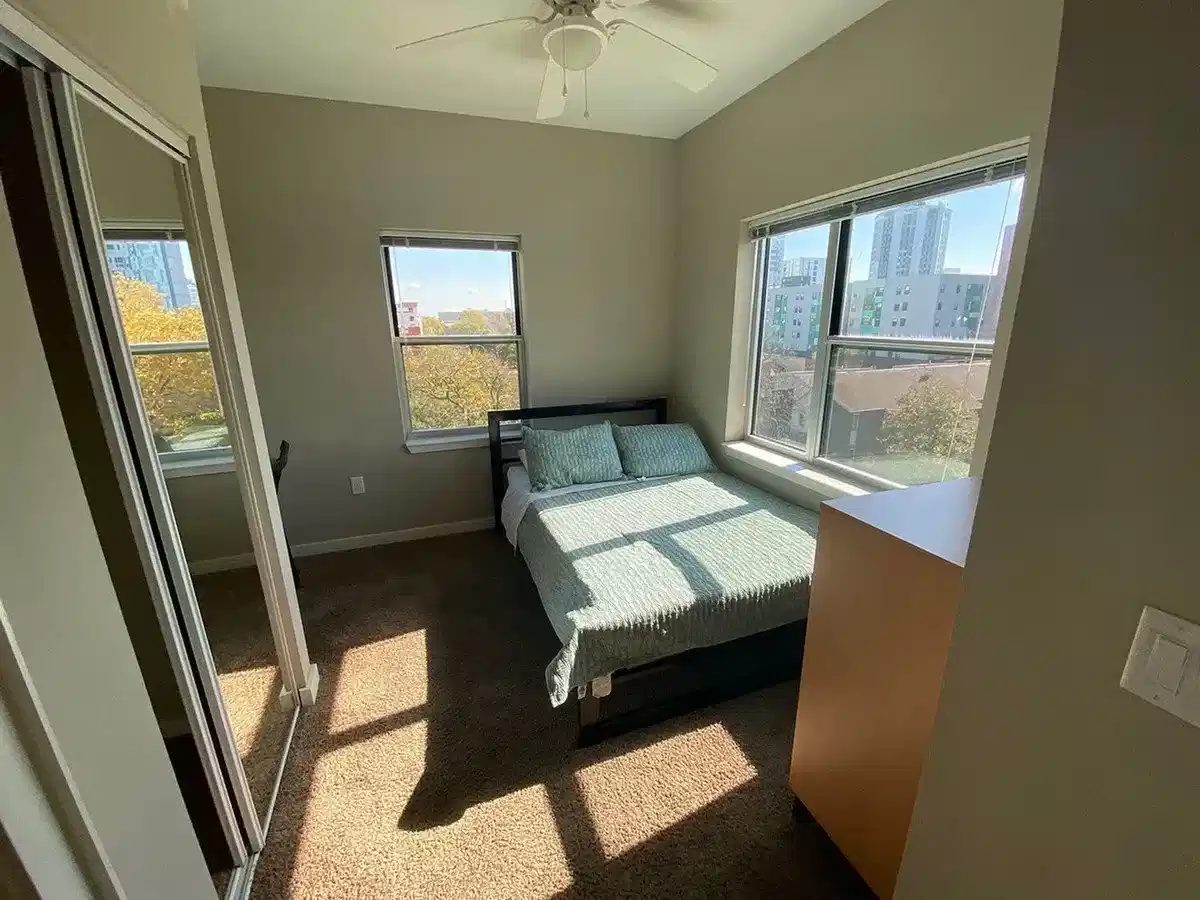
Because the platform does not provide specific price data for individual residences, only general budget guidance is possible here. All figures mentioned below are indicative — confirm with the operator before making any commitments.
- Low budget (shared rooms or flats): Expect to share a kitchen and bathroom with 3–6 other students. Typical monthly rent for a room in a shared apartment in Antwerp can range from €350 to €500 (indicative). These options are often further from the main campus or in less central neighbourhoods.
- Mid budget (studio or private room in a student house): A private room or small studio with a private bathroom and shared or kitchenette might cost between €500 and €750 per month (indicative). Many are within a 15–20 minute walk or a short tram ride from the Prinsstraat campus.
- High budget (fully independent studio or one-bedroom): Prices can exceed €800 per month (indicative), and these are typically modern buildings with amenities like a concierge, gym, or rooftop terrace. They are often located in the city centre or near the university’s main campus.
Note: Utility costs (electricity, water, internet) may or may not be included. Always ask for a breakdown. The Flemish government regulates some social housing through entities like “kot” (student room) registration – but private market rentals outside that system do not have price caps.
Walk vs Transit: The Trade-Off
The University of Antwerp’s main campus (Prinsstraat 13) is located in the historic centre. Walking time from the central station (Antwerpen-Centraal) is about 20 minutes. Many students choose to live within walking distance – a 5–15 minute walk – to avoid paying for transit and to have easy access to libraries, cafes, and the cathedral.
For those on a tighter budget, cheaper housing exists further out, in areas like Berchem, Borgerhout, or even beyond the ring road. The Antwerp tram and bus network is reliable during weekdays, with lines 3, 5, 9, and 15 passing near the university. A monthly student public transport pass (Delijn’s “Buzzy Pazz”) costs about €80 for the whole Flemish region (indicative – confirm with operator). Alternatively, cycling is extremely popular in Belgium. Antwerp has dedicated bike lanes and bike-sharing services (Velo). The city is flat, so a 3 km commute by bike takes roughly 12 minutes.
The trade-off: living further away saves monthly rent but adds commute time and cost. A typical student spending €80 per month on a transit pass and 30 minutes each way might break even with a more expensive room closer to campus, but loses two hours daily. Consider your schedule: if you have early classes or late labs, proximity to the university may reduce stress. If you prefer a quieter residential area with larger rooms, a longer commute might be acceptable.
How to Shortlist Your Housing Options
Without a list of specific nearby residences, you can apply a general shortlist logic. Start with three criteria:
-
Proximity to your faculty. Check which campus your courses are in. The city campus (Prinsstraat) is for social sciences, law, arts, and business. The Middelheim campus (south) hosts exact sciences, engineering, and design. The Drie Eiken campus (east) is for medicine and biomedical sciences. A student living near Prinsstraat but studying at Middelheim would need a 25-minute tram ride.
-
Budget and included costs. Decide a maximum monthly rent inclusive of utilities. In Antwerp, “all-in” rents can be rare – many ads show rent without heating, electricity, or internet. Ask for a detailed cost sheet.
-
Lease terms and flexibility. Many student contracts run from September to June, but if you arrive in January or plan to stay for summer, check for shorter leases. Some landlords require a Belgian guarantor; international students may need to pay a deposit equal to 2–3 months’ rent.
Once you have identified two or three properties, verify the commute using Google Maps (walking, tram, and bike time). Visit – or if you cannot visit, request a video tour. Check the neighbourhood’s safety at night by looking at street lighting, proximity to a supermarket (Carrefour, Delhaize, Albert Heijn), and whether there are laundromats or student bars nearby.
The university itself may offer a housing service (often called “Student Housing Office”) that lists private rooms inspected for compliance with fire safety and minimum size. Using that list (though you must confirm details via the operator) can save you from scams.
Frequently Asked Questions
1. Is it better to live near the main Prinsstraat campus or in a cheaper neighbourhood further out?
It depends on your priorities and budget. Living near Prinsstraat means you can walk to the city centre, the university library, and many shops – but rents are higher (indicative – confirm with operator). If you are comfortable cycling or using the tram for a 15–25 minute commute, neighbourhoods like Berchem or Zuid may offer lower rent for a private room. Factor in the monthly transit pass cost (around €80, indicative) and decide whether the saved rent outweighs the time and fare.
2. What is a typical monthly rent for a private studio near the University of Antwerp?
A private studio within 10 minutes’ walk of the Prinsstraat campus can range from approximately €650 to €900 per month (indicative – confirm with operator). For a shared room in a student flat, expect €350–€550 (indicative). Always confirm whether utilities, internet, and insurance are included. The Flemish kot registration system (if the room is registered as a student room) may limit the rent to a regulated maximum – check the current ceiling with the operator.
3. How do I avoid housing scams as an international student?
Never transfer money before signing a legal lease contract and visiting the property (or having someone visit for you). Use the university’s official housing listing if available. When dealing with private landlords, ask for a copy of their ID and the property’s EPC (energy performance certificate). Keep all communication in writing. Deposit amounts should not exceed three months’ rent and must be returned – in Belgium, deposits are often placed on a blocked bank account. If the deal seems too good (e.g., a large studio at €300/month), it likely is a scam. Always confirm details directly with the operator.
Data as of 2026
See also: listing details · browse more