Universität Jena: What Student Reviews Reveal About Campus Life
The University of Jena (Friedrich-Schiller-Universität) holds a QS World University Ranking of 575 and operates from its historic main building at Fürstengraben 1, 07743 Jena, Germany. With 43 Google reviews averaging 3.8 stars, student experiences vary significantly. Understanding these reviews helps future residents anticipate both the charm and the challenges of studying here.
Positive reviews highlight the building’s timeless atmosphere. Negar Karimi (5 stars, 2 years ago) writes: “An old nice building which throws you back to the time when great scientists lived.” Another reviewer, Christian Guettner (5 stars, 2 years ago), adds: “The venerable old building hasn’t changed since my student days 20 years ago. It’s wonderful. The lecture halls are just as they used to be. It’s nice that not everything always has to be new and gleaming.” This sense of tradition appeals to those who appreciate academic heritage.
However, critical reviews point to administrative and organisational shortcomings. Daniel Beye (2 stars, a year ago) notes: “Some things work well. But things like reliable lecturers who enter grades on time, admission to modules relevant for final exams, or even just admissions at all, simply don’t work. It can’t be that a university can’t manage to adequately supervise a predictable number of students over several years.” Simon San (1 star, a year ago) adds: “Goodwill and helpfulness are foreign concepts at this university. If you encounter the wrong staff members, you might think they’re deliberately working against the students. And forget about any professional competence.” These comments suggest that while the physical campus is appealing, the administrative side may require patience and self-advocacy.
For students choosing housing, these reviews imply that proximity to the main building is not the only factor — reliable internet, study space, and a calm environment may partially compensate for challenges at the university. A home that supports your own routine can make everyday life smoother.
Jena as a Student City
Jena is a mid-sized city in Thuringia, known for its strong ties to the optics and photonics industry (Carl Zeiss, Jenoptik). The student population is large relative to the city size, creating a lively but manageable atmosphere. The city centre is compact, and many student facilities are within walking or cycling distance. Public transport includes trams and buses, covering the city and nearby suburbs.
Cost of living in Jena is generally lower than in major German cities like Munich or Berlin. Shared apartments (WG) and student dormitories are the most common housing types. Private apartments are available but often require a higher budget. The university itself does not manage its own accommodation; instead, the Studentenwerk Thüringen provides dormitory places, and private landlords offer rooms and flats.
Housing Budget Bands (Indicative)
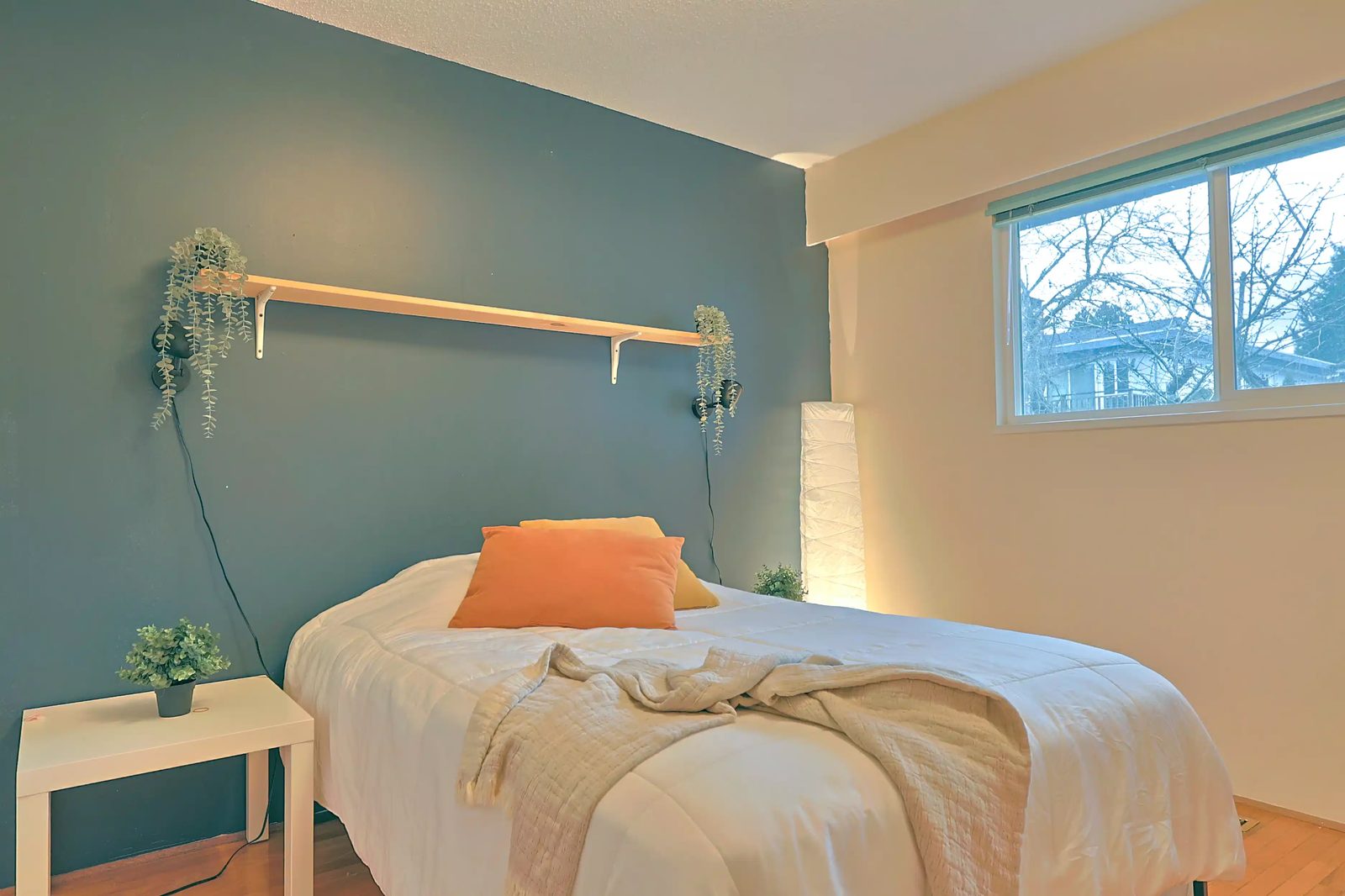
All prices below are indicative — confirm with the operator before committing.
- Student dormitory (public): Often the most affordable option. Monthly rent typically includes utilities and internet. Budget range: low to moderate. Availability is limited, and waiting lists can be long. Apply early.
- Shared apartment (WG): Renting a room in a flat shared with other students. Furniture is often included. Budget range: moderate. Prices depend on location, size, and condition of the apartment.
- Private studio or 1-room apartment: More independence but higher cost. Usually unfurnished. Budget range: moderate to high. Best for students who prefer quiet or have a higher budget.
- Short-term or temporary accommodation: Hostels, guest apartments, or sublets. Budget range: varies widely. Useful for the first weeks while searching for a permanent place.
Note: Costs for utilities (heating, electricity, water) are often separate in private housing. Always ask what is included in the rent.
Walk vs. Transit: Choosing a Place to Live
Jena is a linear city, stretching along the Saale river valley. The university main building is in the city centre, close to the central square (Markt). Most lecture halls and institutes are within a 2 km radius of the centre, making walking or cycling feasible for many students.
Walkable neighbourhoods (up to 15–20 minutes to campus):
- Zentrum (city centre): Maximum convenience, higher rent, more noise.
- Damenviertel: A popular student area with many WGs, 10–15 minutes walk.
- Nord district: Near the university hospital and some science institutes, walkable to centre in 20–25 minutes.
Transit-based neighbourhoods (bus/tram ride needed):
- Lobeda: A large residential area south of the city centre, with lower rents and good tram connections to the university (20–30 minutes door to door).
- Winzerla: Similar to Lobeda, slightly further out. Bike or tram to centre.
- Göschwitz: More affordable but less student-focused. Commute time ~30 minutes.
Trade-offs:
Walking saves time and money on transport, but rent in central areas is higher. Using public transit expands affordable options. A bicycle (second-hand, starting around €80–150) can cut commute times dramatically and make outer neighbourhoods more accessible. The city is bike-friendly, with dedicated paths along the Saale.
Students who value easy late-night access to the library or frequent social gatherings may prefer a walkable location. Those on a tight budget or who enjoy a quieter setting may find transit-based areas perfectly acceptable.
How to Shortlist Student Housing Near Universität Jena
Without a specific list of nearby residences provided, the following logic helps you create your own shortlist using online platforms and local sources.
Step 1: Define your priorities
- Maximum acceptable commute time (e.g., 20 mins walk or 30 mins transit)
- Max rent (indicative: confirm with operators)
- Room type: WG room, dorm room, or private studio
- Furnished or unfurnished
- Preferred atmosphere (quiet neighbourhood vs. central bustling area)
Step 2: Filter by location
- Use a map of Jena and draw a 2 km radius around Fürstengraben 1 for walking.
- For transit, consider tram lines 1, 2, 3, 4, and 5 which connect large parts of the city. Bus lines B, C, E also serve outer areas.
- Look for addresses along these routes. Cross-check with Google Maps travel times to the university main building.
Step 3: Use credible sources
- Studentenwerk Thüringen (official public dormitories) – apply early, often 6 months before semester start.
- WG-Gesucht.de (Germany-wide platform for shared flats, but do not link – search on your own).
- Local newspaper classifieds (e.g., Ostthüringer Zeitung).
- Facebook groups for Jena students (e.g., “WG-Zimmer Jena” or “Studenten Jena”). Verify listings carefully.
Step 4: Check reviews and conduct viewings
- For private landlords, ask current tenants about utility costs, maintenance, and noise.
- If possible, do a video call with the landlord or current flatmates to see the room.
- Confirm the distance to the university using a reliable route planner.
Step 5: Make a shortlist of 3–5 options
- Compare total monthly cost (rent + utilities + transport ticket if applicable).
- Consider signing a contract only after visiting or verifying the property.
- Avoid paying deposits (Kaution) before seeing the apartment; by German law, deposits should be held in a separate savings account.
Example shortlist logic (hypothetical, for illustration only – no actual residence data provided):
- Dormitory A: €290 all inclusive, 15 mins walk – if available.
- WG room in Damenviertel: €370 warm (including heating), 12 mins walk.
- WG room in Lobeda: €310 warm, 25 mins via tram (ticket ~€50/month = €360 effective).
- Private studio near centre: €500 cold (utilities extra), 10 mins walk – only if budget allows.
Then rank by your own priority weighting (cost vs. commute vs. privacy).
Since no specific residence names were given in the source data, this logic is generic. Always confirm all details with the operator.
Frequently Asked Questions
1. What is the best area in Jena for students near the university?
The best area depends on your budget and lifestyle. Damenviertel and Zentrum (city centre) are within walking distance and popular with students. For lower rents, consider Lobeda or Winzerla with good tram connections. All prices are indicative — confirm with the operator.
2. How can I find accommodation for the summer semester 2026 or winter semester 2026/27?
Start searching early — ideally 3–6 months before the semester begins. Apply for Studentenwerk dormitories directly through their portal. For private rooms, use WG-Gesucht, eBay Kleinanzeigen, and local Facebook groups. Be prepared with Schufa (credit report) and proof of income if required. Verify any listing before transferring deposits.
3. Is it cheaper to live in a student dormitory or a shared apartment?
In Jena, public dormitories are often the cheapest option, with rents around €250–€350 all-inclusive (indicative — confirm with the operator). Shared apartments (WG) range from €300 to €500 warm depending on location and size. Private studios start at €400 cold, plus utilities. Dormitories usually offer lower total costs but may have waiting lists. Compare total costs including any transport expenses.
Data as of 2027.
See also: listing details · browse more