What the Campus Reviews Reveal
The Federal University of Minas Gerais (UFMG) commands a 4.8 out of 5 rating from 2,403 Google reviews — an exceptionally high score for a large public institution. This near-perfect rating reflects not just academic reputation but also the lived experience of students, staff, and visitors on its main Pampulha campus.
Reviewer Dariusz Prokopowicz, with full marks, described UFMG as “the definitive gold standard of Brazilian research, where a formidable tradition of excellence meets the tireless energy of technological innovation.” This suggests the campus environment is both rigorous and dynamic — qualities that directly influence the kind of housing students seek. A serious academic setting often means a premium on quiet study spaces, reliable internet, and short commute times to stay on top of coursework.
Another five-star reviewer, André Araújo, called the institution “the greatest of all the country” and noted it is “making history.” Such loyalty indicates that students view their time here as a once-in-a-lifetime experience, which may justify paying a bit more for better location or comfort.
Alfonso Gianluca Gucciardo described UFMG as “a real flagship of the whole Brazilian educational system,” reinforcing its status as a top-tier university. For students choosing housing, this translates into a competitive market: demand is high for rentals within walking or short-bus distance of Pampulha.
Taken together, these reviews paint a picture of a prestigious, research-intensive university where students are deeply proud and invested. Housing decisions therefore become part of the overall academic journey — proximity, reliability, and a supportive environment matter.
City Context: Belo Horizonte
UFMG’s main campus sits in the Pampulha neighbourhood of Belo Horizonte, the capital of Minas Gerais state. Belo Horizonte is Brazil’s sixth-largest city, with a population of around 2.5 million inside the city limits and 6 million in the metro area. It is a major economic, educational, and cultural hub, known for its high quality of life, expansive green spaces (the city plots one of the highest ratios of green area per capita in Brazil), and strong service sector.
The Pampulha campus itself is located at Av. Pres. Antônio Carlos, 6627, near the artificial Pampulha Lake, a UNESCO World Heritage site due to its modernist architecture designed by Oscar Niemeyer. The area is largely residential and institutional, with UFMG dominating the landscape. The nearest commercial and transportation hub is the Pampulha bus station (Terminal Pampulha), which connects to the city’s BRT system (Move) and to other parts of Belo Horizonte.
Students generally choose between three housing zones: the immediate campus vicinity (within 2 km, mostly on Rua Professor Alfredo Balena and Rua Conde de Lobos, but available rentals are scattered), the Pampulha neighbourhood stretching east toward Avenida Antônio Carlos, and more central districts such as Savassi or Funcionários that offer nightlife but require a longer commute (20–40 minutes by bus or car).
The city’s bus system is the primary public transport; there is no metro line running to Pampulha yet, although the BRT is efficient during off-peak hours. Ride-sharing services like Uber and 99 are widely used but can be expensive for daily trips. Cycling is feasible for the flat parts of Pampulha but challenging due to the hilly terrain elsewhere.
Budget Bands for Student Housing
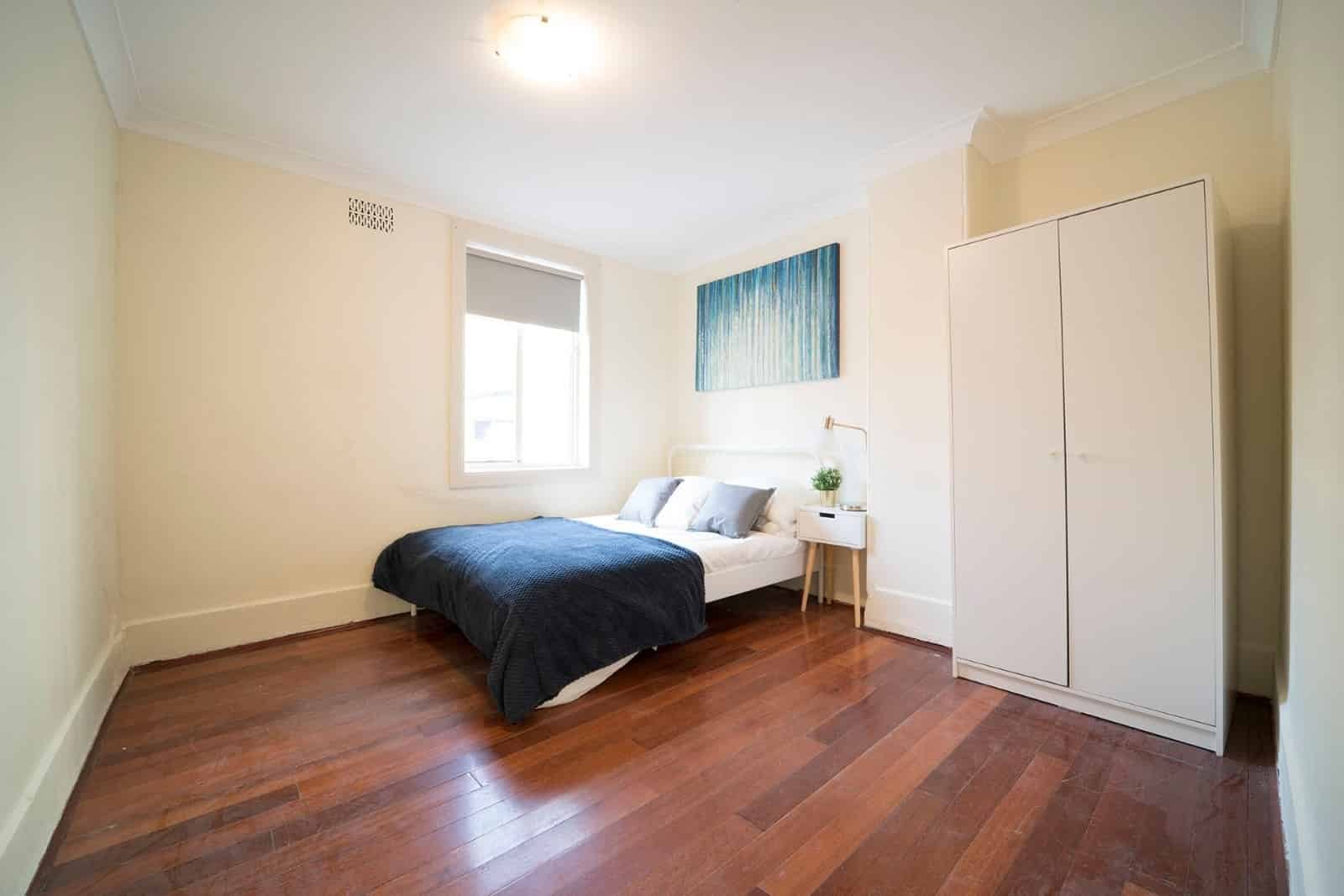
Because UFMG is a tuition-free public university (most courses are free), students — domestic and international — can allocate more of their overall budget to rent and living expenses. However, the city’s cost of living is moderate by Brazilian standards, and housing prices vary widely.
The table below has been avoided — instead we present approximate bands as narrative guidelines. All figures are indicative — confirm with the operator.
-
Shared economy (R$ 600–1,000 per month per person): A room in a shared apartment or house within 3–5 km of the campus. This usually means older buildings, limited amenities (shared bathroom, no air conditioning), and a 20–30 minute bus ride. In quieter residential streets of Pampulha like Rua Desembargador de Paula, you can find republicas (student share houses) at this price.
-
Mid-range solo (R$ 1,200–2,000 per month): A studio or one-bedroom flat within 1–2 km of campus, possibly in a gated condominium (condomínio) with security, a basic kitchen, and sometimes a swimming pool or gym. This is the most common choice for graduate students or those with a São Paulo-sized stipend.
-
Premium convenience (R$ 2,200–3,500 per month): A fully furnished apartment within walking distance (under 800 m), often with private parking, air conditioning, and a balcony. These units are concentrated along Avenida Professor Alfredo Balena and Rua Coronel de Paula. They are popular among international researchers and visiting professors, but supply is limited.
-
Luxury (above R$ 4,000 per month): Penthouses or large apartments in luxury condos near the lake or the Belo Horizonte Golf Club. These are rarely taken by students, but some short-term executive stays exist.
All rental prices in Belo Horizonte are typically quoted in Brazilian Reais (BRL) and vary with inflation and season. Leases often require a Brazilian guarantor or a large deposit — international students should check with the operator about alternatives (like insurance or full upfront payment).
Walk vs Transit Trade-off
The choice between walking and commuting by public transport ultimately depends on your tolerance for distance versus cost and time.
Walking zone (up to 1.5 km from campus core)
- Pros: Zero transport cost; you can attend evening classes without worry; quick access to the central library, labs, and the main restaurant (RU). The campus is large (over 300 hectares), so even walking from the outer edge to some buildings can take 15 minutes.
- Cons: Rent is highest; limited run of available units; neighbourhood can be quiet after dark; grocery shopping requires a walk to the small supermarkets on Avenida Antônio Carlos.
- Review insight: Students who praise UFMG’s “tireless energy of technological innovation” likely need to spend long hours on campus — walking eliminates schedule friction.
Bus/Bike zone (1.5–5 km)
- Pros: Affordable rent; more housing options (including shared houses with outdoor space); you can branch into livelier neighbourhoods like the Lourdes or Savassi with bars and restaurants. The Move BRT has dedicated lanes, making travel times predictable outside rush hour.
- Cons: Monthly bus pass costs around R$ 240–300 (indicative — confirm with the operator). Peak-hour buses can be packed; a 3 km trip may take 30 minutes. Biking is possible but scarce bike lanes and steep hills in some areas.
- Reviewer Alfonso Gianluca Gucciardo mentioned “very efficient” administration — that could extend to the university’s shuttle system, which runs between the main campus and the Pampulha terminal. Some students rely on that free internal service to supplement public transit.
Longer commute (5–10 km)
- Pros: Lower rent (R$ 500–800 per person); access to the central city’s amenities; more climate-controlled apartments in new developments.
- Cons: Commute can exceed one hour each way; you miss spontaneous campus events; internet reliability at home may lag behind campus speed. Given that UFMG is a research flagship, students doing lab work may find this distance unsustainable.
Decision framework: If your classes start early (7 am) and you attend optional evening seminars, prioritise walking. If you have a flexible schedule and prefer a stronger social life outside the university, the transit trade-off works well.
Shortlist Logic for Choosing a Residence
Without specific nearby residences provided in the data, a general shortlist method applies to any student searching for housing near UFMG. Use these six criteria when comparing options:
-
Distance to your faculty building – UFMG’s campus is spread over many departments. The main entrance at Av. Presidente Antônio Carlos leads to the administrative centre, but the School of Engineering, for example, sits on the east side. Check that your shortlisted flat is closer to the building where you will spend most of your time.
-
Bus route connectivity – If walking is not an option, verify the closest BRT station (e.g., Terminal Pampulha serves lines 5106, 9501). A property within 500 m of a station is considered convenient.
-
Safety reputation of the street – Pampulha as a whole is considered safe, but some side streets near Avenida Antônio Carlos have higher crime rates at night. Ask current students or consult local Facebook groups (but do not embed links). The university has a security app for on-campus alerts.
-
Lease flexibility – Many landlords require a 12-month contract with a Brazilian guarantor. Short-term options (1–3 months) exist for international students but cost 20–30% more. Confirm upfront payment possibilities and whether utilities (água, luz, internet) are included.
-
Bedroom count and furnishing – Single rooms in a shared apartment are the most economical. A furnished studio (plus electric bill) simplifies moving but can triple the deposit. Recommended: look for “alugo quarto para estudante” – rooms rented individually.
-
Inclusive extras – Condominium fees (condomínio) are often not included in the listed rent and can add R$ 200–600 per month. Some buildings include 24-hour security, a pool, and gym – evaluate whether these justify the cost given your study focus.
Hypothetical shortlist (example only, not from given data):
- Option A: Shared apartment on Rua Desembargador de Paula, 2 km walk, rent R$ 750 per person (indicative), no guarantee required if paid 6 months upfront. Good for a budget-conscious solo student.
- Option B: Studio near Av. Professor Alfredo Balena, 800 m from the main library, rent R$ 1,800 (indicative), includes water and internet. Ideal for a graduate researcher who needs stability.
Since the exact offers may vary, always visit the apartment in person or request a video tour before signing. Verify the landlord’s identity and check that the electricity and plumbing match Brazilian standards.
Frequently Asked Questions
1. Is it better to live north of Lake Pampulha (the campus side) or south of the lake?
The campus lies on the northern shore. Living on the southern side (bairro Ouro Preto) may be cheaper, but you will need to cross the lake via the San Maia bridge or use bus line 203, which adds 15–20 minutes each way. For daily convenience, staying on the same side as the university is strongly recommended unless you have a car.
2. What utilities should I budget for beyond rent?
In Belo Horizonte, electricity can cost R$ 80–150 per month for a single person (more if you use air conditioning). Water is usually R$ 40–80. Internet (fibra óptica) costs around R$ 100–130 per month. These figures are indicative — confirm with the operator and check if they are included in the rental agreement.
3. How do international students usually find housing without a guarantor?
Many international students use services that allow payment of 3–12 months’ rent upfront in lieu of a guarantor. This is common in the Pampulha area. Another option is to sublet from a departing student on Facebook groups (but do not post Facebook links). Always ask for a written contract and keep a copy of the landlord’s ID and property registration (matrícula do imóvel).
Data date: 2026-11-01 — all prices and conditions are indicative and should be confirmed directly with the operator before any commitment.
See also: listing details · browse more