Campus Reviews: What Students Say
The Universidade de São Paulo (USP) holds a Google rating of 4.7 out of 5 based on 3,363 reviews. Students frequently highlight the campus atmosphere, facilities, and academic environment. Review excerpts give a clear picture of daily life:
“The best university of Brazil. It has a beautiful campus and ambient. You can pass whole day studying there needless to going out. There are many University and private restaurants, Olympic city to exercise, relax ambient to walk, many libraries to study and an good hospital inside.” — Ali Allahyarzadeh (5 years ago)
“Smart minds hub. This place attracts people with curiosity and passion for resolving problems.” — Rogerio Panigassi (4 months ago)
“Very good. Students, professors, location all right.” — Roman Hampl (2 months ago)
These comments point to a self-contained campus: extensive libraries, sports facilities (Olympic city), multiple dining options, and even a hospital. The phrase “needless to going out” suggests that many students spend entire days on campus, making on-site amenities a priority. However, proximity to housing still matters — students who live too far may waste time commuting or miss spontaneous study sessions.
City Context: São Paulo (SP)
USP’s main campus is located in the Butantã neighborhood, in the western zone of São Paulo. São Paulo is Latin America’s largest city, with a population exceeding 12 million. Public transport includes a metro (São Paulo Metro), bus network, and the CPTM commuter rail system. The nearest metro station to USP’s main entrance is Butantã (Line 4 – Yellow), which connects to the broader network. Traffic congestion is heavy during peak hours, so travel time estimates should include buffer.
The city’s rental market varies widely by district. Butantã itself is a mixed residential area with mid-range apartments and houses. Nearby neighborhoods such as Pinheiros, Vila Madalena, and Perdizes are more expensive due to better nightlife and commercial amenities. Farther out, districts like Osasco or Taboão da Serra offer lower rents but longer commutes.
Crime statistics are uneven: areas immediately around campus are generally safe during daytime, but students are advised to exercise caution in quieter streets after dark. University shuttles and on-campus security services operate 24/7.
Budget Bands (Indicative — Confirm with the Operator)
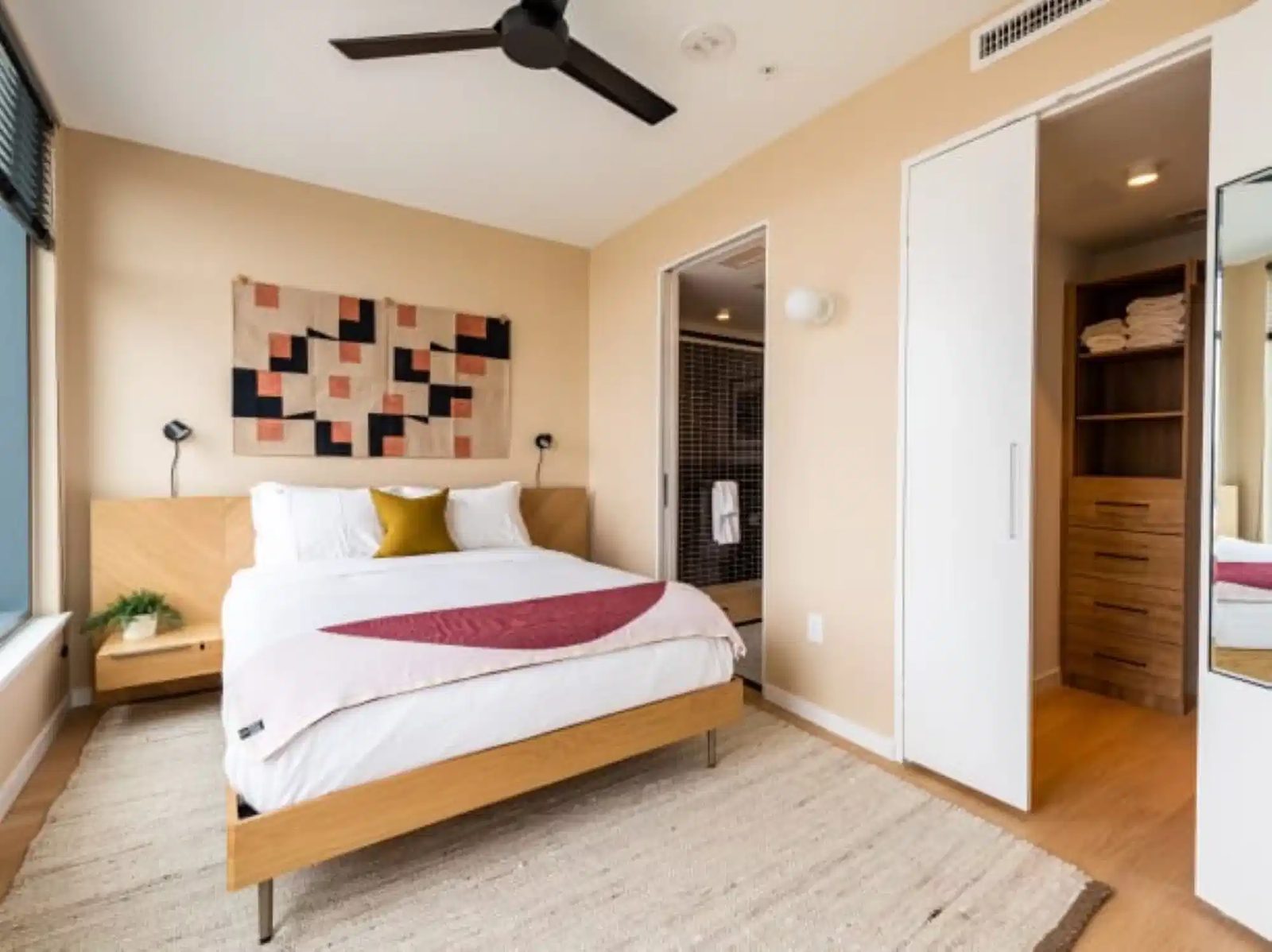
Because rental prices in São Paulo fluctuate with market conditions, no specific figures can be given here. However, students typically fall into one of three broad bands:
- Low budget: shared rooms or subdivided houses (cortiços) in lower-density suburbs, often requiring public transport of 45–60 minutes each way.
- Medium budget: single rooms in shared apartments or studios in Butantã or nearby neighborhoods, with commute times of 15–30 minutes by bus or metro.
- High budget: one-bedroom apartments or premium student residences in Pinheiros or Vila Madalena, allowing a 10–20 minute walk to campus.
All prices are indicative — always confirm monthly rents, bills, and deposit requirements directly with the landlord or operator.
Walk vs Transit Trade-off
USP’s campus is large — about 7.5 km² — so “walking distance” depends on which building you need. The most frequented areas (main library, central classrooms, and student restaurant) are clustered near the main entrance on Rua da Reitoria. Living within a 1–2 km radius of that entrance can make walking feasible for most daily activities. Beyond that, a bicycle or scooter is useful.
If you rely on public transport, the Butantã metro station is about 1.5 km from the main gate. Buses run along Avenida Professor Almeida Prado and Avenida Vital Brasil, serving deeper parts of campus. During peak hours, bus frequency drops and journeys can be crowded.
The trade-off: walking saves money and time but limits your housing options to a small, often pricier radius. Transit expands your search area to lower-cost neighborhoods but adds 30–60 minutes of daily commute and a monthly transport pass (currently about BRL 180–230 for unlimited metro/bus, indicative — confirm with the operator).
Shortlist Logic Using Given Nearby Residences
No specific student residences were provided in the dataset for this guide. When building your shortlist, apply the following logic:
-
Map your daily destinations. Identify which building(s) you will visit most (university restaurant, laboratories, library). Aim for housing that puts the main entrance within 20 minutes of walking or one bus ride without transfers.
-
Verify bus/metro access. Check whether the residence is within 500 m of a bus stop that serves the campus. Confirm service hours — late-night events may require alternative transport.
-
Cross-check safety records. Walk the route at the same time you would use it (early morning, late evening). Ask current students or neighborhood groups about security.
-
Compare total monthly cost. Rent + transport + bills + food = effective cost. A cheaper room far away with a long bus ride may end up costing more than a slightly pricier room within walking distance.
-
Negotiate lease flexibility. Many student-friendly agreements allow 12-month contracts with a 30-day break clause. Avoid long-term commitments until you experience the commute yourself.
Because no concrete residence names are available from the source data, we recommend browsing the university’s housing bulletin board (search for “USP housing list” on the university portal) or using independent student-housing platforms with filters for “Butantã” and “up to 2 km from USP”.
FAQ
Does USP provide on-campus accommodation for international students?
USP does not own or operate dormitories for the general student body. There are small housing arrangements for exchange students through specific departments, but availability is limited and not guaranteed. Most students — both local and international — find private rentals in the surrounding neighborhoods. Some student cooperatives exist, such as “Repúblicas” (shared houses) organized by student groups; these are advertised through word of mouth or university notice boards.
What is the typical commute time if I live in Pinheiros versus in Butantã?
Butantã is adjacent to the campus; living there usually means a 10–20 minute walk or 5-minute bus ride. Pinheiros (about 4 km away) takes 25–35 minutes by bus or 20 minutes by metro (line 4) plus a walk. However, Pinheiros offers more shops, restaurants, and nightlife, and rents are often 20–40% higher. The decision depends on whether you value proximity to campus more than access to city amenities.
Are there any specific areas to avoid when renting near USP?
As a general rule, avoid areas with poor street lighting and low pedestrian traffic after dark. In Butantã, the eastern side near Avenida Eliseu de Almeida can be less safe at night. The neighborhood surrounding the metro station is generally safe during the day. Always visit the area in the evening before signing a lease. The university’s Department of Social Services (assistência social) can provide updated safety maps upon request.
Data as of 2026. All prices and travel times are indicative — confirm with the operator before making any commitments.
See also: listing details · browse more