What Campus Reviews Reveal
Universidad Austral in Pilar, Buenos Aires province, has a Google rating of 4.4 out of 5 from 307 reviews. This positive overall score suggests that most students and visitors have a favorable impression. However, a handful of critical reviews, all rated 1 star, point to specific problems that prospective students should consider before enrolling.
One reviewer, Stanisław Barańczak, wrote: “Dont go there and if you are unlucky enough to be enrolled in this uni, drop out, self care is important” (2 years ago). This is the most stark warning in the data, though it is an outlier given the 4.4 average.
Another review from Antonella Segovia (6 months ago) describes a medical appointment: “The place is really nice, the service was quick, but some doctors, like a hematologist, basically told me I shouldn’t be there and started badmouthing the phlebologist who referred me to her, demanding explanations that I shouldn’t have been seeing her (clearly she had little desire to work or have…” This suggests some staff interactions at the university’s health center may be unprofessional.
Lucina Luna Clarasó (6 months ago) reported administrative delays: “I sent an email in November to register for a program and pay for it. And the postgraduate coordinator, Melisa, only deigned to reply a month later, saying there were no more openings. They should implement a more efficient registration system if they’re going to take a month to respond to any postg…” This points to possible inefficiencies in postgraduate admissions.
Finally, Nahuel Pace (2 years ago) commented on student culture: “Lots of campus, lots of excellence, but when the students graduate, it’s always the same filth on the streets. The kids are so polite, yeah right, double standards like everything else in this country. The harmony with nature, as I read below, seems to end at the perimeter of the property.” This criticises perceived hypocrisy between campus values and student behaviour outside the grounds.
These negative reviews, while few, highlight areas — medical service quality, administrative responsiveness, and student conduct — that some individuals have found problematic. They balance the otherwise positive 4.4 rating and are worth noting when evaluating the university.
City Context: Pilar and the University
Universidad Austral is located at Mariano Acosta 1611 in Pilar, a town about 50 kilometres northwest of Buenos Aires city centre. Pilar is part of the Greater Buenos Aires metropolitan area and has grown as a residential and commercial hub, particularly for middle- and upper-class families. The area includes gated communities, country clubs, and the Pilar industrial park.
The university campus sits in a semi-rural setting with green spaces, consistent with its reputation for a nature-oriented environment. For international students, this offers a quieter alternative to the capital. However, Pilar is not a dense student city like La Plata or Córdoba. The town centre has supermarkets, restaurants, and local shops, but for large hospitals, international airports, and major cultural venues, students typically travel to Buenos Aires city.
The journey by car from the campus to Buenos Aires city centre takes about 45 minutes without traffic. Public buses take one to two hours one way. This location means that housing choices are heavily influenced by transportation. Students without private cars are largely limited to accommodation in Pilar town or the immediate campus vicinity.
Budget Bands for Accommodation
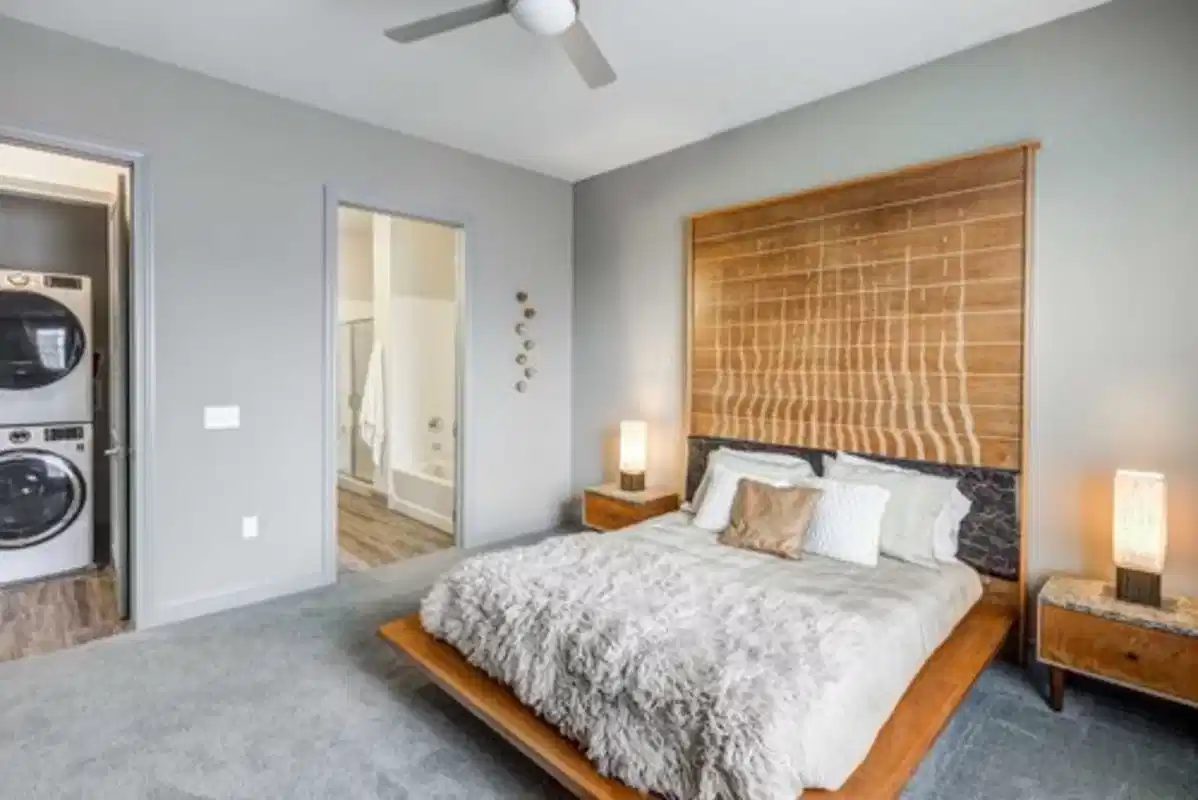
Rental prices in the Pilar area vary based on property type, distance from the university, and included services. The figures below are indicative estimates in US dollars per month. All prices are subject to change and currency fluctuations — confirm with the operator.
- Shared accommodation or small studios (indicative $200 to $400 per month): Located in Pilar town centre or in residential houses with multiple tenants. Usually 10 to 15 minutes by bus from campus. May include basic utilities and shared kitchen facilities.
- Private one-bedroom apartments within walking distance (indicative $400 to $700 per month): Typically in low-rise buildings or small residential complexes up to 2 kilometres from the university. Often include parking space, water, and sometimes internet. This is the most common bracket for international students seeking independence.
- Larger apartments or houses in gated communities (indicative $700 to $1,200 per month): Often include private outdoor space, security, and amenities like a pool or gym. Suitable for families or groups of students sharing costs. Requires a car in most cases.
- Premium properties (indicative $1,200 per month and above): Luxury houses in exclusive neighbourhoods close to campus, often with gardens, heating, and full furnishings. Rarely needed by single students.
These are rough guidelines only. Actual rents depend on the specific property, lease duration, and negotiation. Always obtain a written lease and verify what is included (utilities, internet, taxes). Some landlords may quote prices in Argentine pesos — clarify the currency before committing.
Walk vs Transit Trade-Off
Walking to the Universidad Austral campus is practical only if you live within a roughly 2-kilometre radius. This area includes some residential streets, small apartment buildings, and a few gated communities. Walking is convenient, cost-free, and reliable — you do not depend on bus schedules or traffic. The trade-off is that housing stock within walking distance is limited, and rents tend to be higher due to proximity.
Most students rely on public buses. The main routes connect Pilar town centre to the campus, with a journey of about 15 to 20 minutes. Fares are low, but buses may be less frequent on weekends or during university holidays. For those commuting from Buenos Aires city, the bus ride takes 1.5 to 2 hours one way, which can be tiring for daily travel.
Bicycles are a feasible option for distances of 2 to 5 kilometres. The campus area has relatively low traffic, but dedicated bike lanes are scarce on main roads. Students who cycle should wear helmets and use lights at night.
Ride-sharing services such as Uber or Cabify operate in Pilar. A trip from the town centre to campus might cost between $3 and $6 USD. This is a backup option but not a budget-friendly daily solution.
The overall trade-off: walking gives convenience and predictability but limits housing options and raises rent. Transit expands the housing pool and lowers rent but adds time, cost (bus fare), and dependence on schedules. Students who value time should prioritise walking distance. Students on a tighter budget should look at central Pilar or along bus routes.
Shortlist Logic for Choosing Accommodation
No specific nearby residences were provided in the data for this guide. When shortlisting accommodation near Universidad Austral, apply the following logic to evaluate options:
- Verify distance and transport. Use the university address (Mariano Acosta 1611) to check whether a property is within walking distance, or on a direct bus route. Online maps can show transit stops and approximate commute times.
- Prioritise safety. Pilar is generally safe, but check neighbourhood reviews for theft or night-time isolation. Gated communities typically offer higher security.
- Check lease terms. Minimum stay (usually 6 or 12 months), deposit amount, cancellation policy, and whether utilities are included. Some landlords require Argentine guarantors — international students may need a 3-month deposit instead.
- Read tenant reviews. On any platform where the residence is listed, read recent reviews from former tenants. Look for consistent mentions of noise, maintenance issues, or landlord responsiveness.
- Compare total cost. Not just rent, but also utility bills, transport cost (bus or car), and time cost of commuting. A cheaper apartment far from campus may end up costing more when transport and time are added.
- View before signing. Arrange a virtual or in-person tour. Check for mould, heating, water pressure, and internet connectivity. Verify locks and window security.
- Ask about shared options. If you want to save money, look for university-affiliated housing groups or online boards where students post rooms for rent. This is common for short-term stays.
Since this guide does not include a pre-vetted list of residences, you will need to conduct your own search. Use the criteria above to filter options systematically.
Frequently Asked Questions
How long does it take to get from Buenos Aires city to Universidad Austral? By car, about 45 minutes without traffic. By public bus, 1.5 to 2 hours one way. If you plan to commute daily, living in Pilar town or nearby is more time-efficient.
What is the typical cost of a shared room in Pilar? Indicative rents for a room in a shared apartment or house range from $200 to $350 per month. Confirmation with the operator is essential, as prices may vary by season and currency rate.
Is it necessary to have a car when living in Pilar? Not essential, but having a car expands your housing choices significantly. Without a car, you are limited to walking distance or bus routes. Many students manage with a combination of walking and buses, especially if they live in central Pilar.
Data date: 2026
See also: listing details · browse more