Housing Near Tomsk Polytechnic University: A Student Guide
Tomsk Polytechnic University (TPU) is one of Russia’s leading technical universities, located in the historic Siberian city of Tomsk. With a QS World University ranking of 688, a Google rating of 4.6 from 333 reviews, and an address at Lenin Ave, 30, Tomsk, it attracts both domestic and international students. This guide uses campus reviews and local context to help you find suitable housing within a reasonable budget.
What Campus Reviews Reveal about Life at TPU
Student reviews on Google give a clear sense of the university’s atmosphere. Allan Mangi, rating 5 stars, wrote: “My best University, you will never go wrong when you choose Tomsk Polytechnic University.” This strong endorsement highlights a positive learning environment and overall satisfaction. Sourav Koley, also rating 5 stars, noted: “Good technical University with beautiful campus.” The mention of a “beautiful campus” suggests that the physical surroundings contribute to the student experience.
These reviews, though brief, point to two key factors relevant to housing: a supportive academic community and a visually pleasant campus. Living close to campus allows you to participate in campus life easily — attending events, using libraries and labs, and connecting with classmates. If you are a student who values proximity for convenience and community, targeting housing within walking distance (15–20 minutes) is a logical choice.
Navigating Tomsk as a Student City
Tomsk is a medium-sized Siberian city with a population of around 550,000. Winters are long and cold, with average temperatures in January around –19 °C, while summers are mild and short. The city has a compact layout, with the university located near the centre. Public transport includes buses, trams, and minibuses (marshrutkas). Fares are low — a single trip costs approximately 20–25 RUB (indicative — confirm with the operator).
The cost of living in Tomsk is lower than in Moscow or Saint Petersburg. For a student, monthly expenses (excluding rent) typically range from 12,000 to 18,000 RUB. Rent is the largest variable, as detailed in the next section.
Budget Bands for Student Housing
Housing prices in Tomsk vary by distance from the university, property condition, and whether utilities are included. Below are typical monthly rent ranges in Russian rubles (RUB) as of 2026/2027. All prices are indicative — confirm with the operator.
-
Dormitory / Shared Room (in a university dorm or private shared apartment): 3,000–7,000 RUB per person. Dormitories are often the most affordable but require early booking and may have limited space. Private shared apartments (two or three students) can be slightly more expensive but offer more privacy.
-
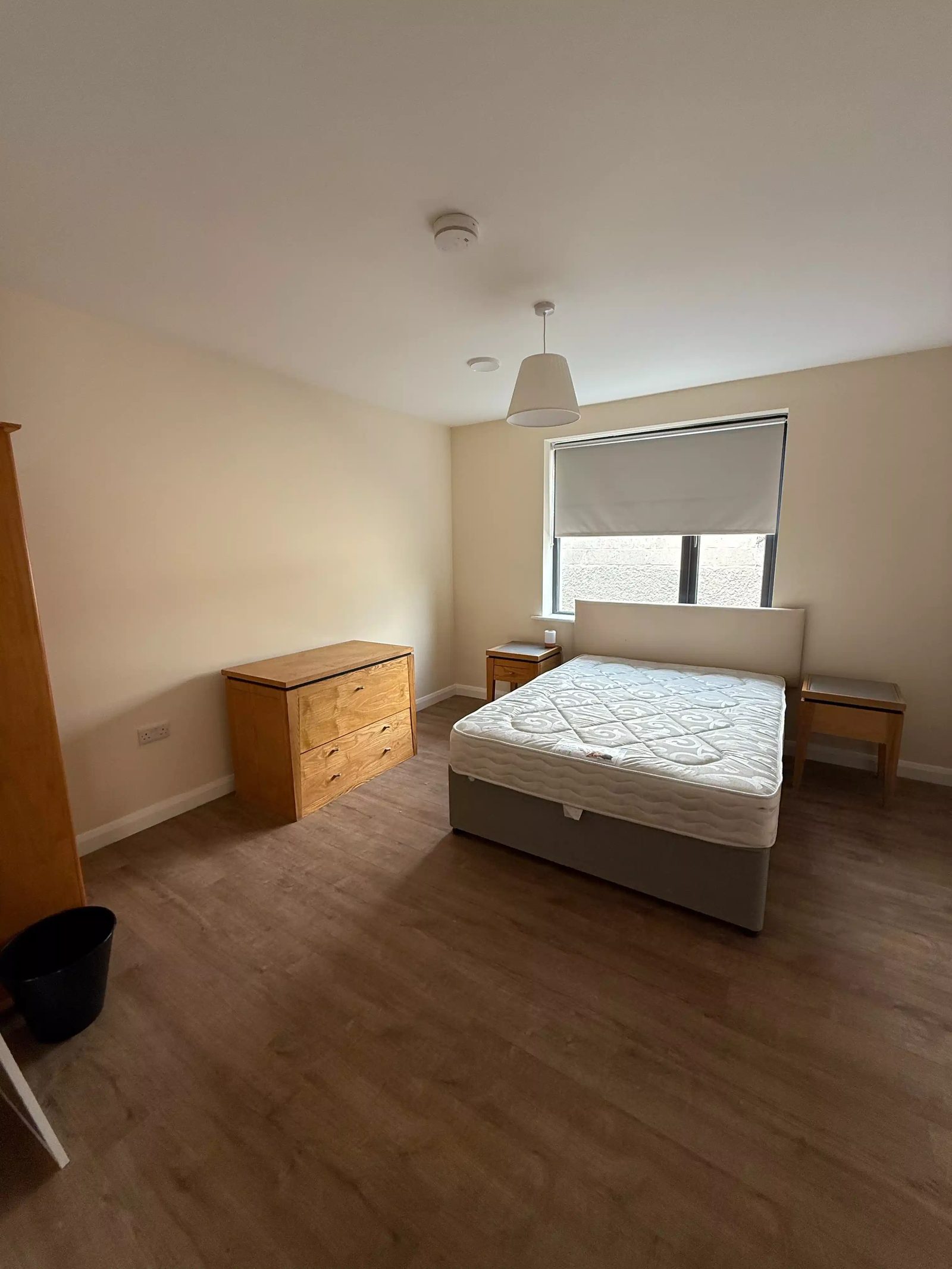
Private Studio or One-Bedroom Apartment (within 2 km of campus): 12,000–18,000 RUB. These are common for students who prefer living alone or with a partner. Expect a kitchen, bathroom, and one main room. Some older buildings may have lower rents but need renovation.
-
One-Bedroom Apartment in the City Centre (5–10 minutes by bus): 15,000–22,000 RUB. Centre apartments are often well-maintained but can be slightly pricier. You gain access to shops, cafes, and transport hubs.
-
Two-Bedroom Apartment (shared by two students, outskirts): 18,000–25,000 RUB total (9,000–12,500 per person). Larger spaces farther from the university can be cheaper per person but involve longer commutes.
To find current listings, search Russian real estate platforms (e.g., Avito, Domofond) using the address “Lenin Ave, 30” as a reference point. Always verify the distance by walking or using public transport mapping.
Walk vs Transit: Trade-Offs
Choosing a location involves balancing cost, time, and comfort.
-
Walking distance (0–15 minutes from Lenin Ave, 30): Ideal for maximising study time and enjoying the campus. You avoid winter commutes entirely. Rent tends to be higher (12,000–18,000 RUB for a studio), but you save on transport costs (approximately 1,000–1,500 RUB per month) and time (no waiting in cold). Apartments in this zone are in high demand — start hunting at least 2–3 months before the semester.
-
Short transit (10–20 minutes by bus or tram): This includes neighbourhoods like Severny, Sputnik, and parts of Kirovsky District. Rent drops by 2,000–5,000 RUB per month. Public transport runs frequently from about 6 AM to midnight. A monthly transit pass costs around 700–900 RUB (indicative — confirm with operator). The trade-off is time: you spend roughly 30–40 minutes daily (round trip) commuting, which adds up over a semester.
-
Longer transit (30–45 minutes one way): Areas such as Dachny, Sovetsky, or the far north offer the lowest rents (studio from 8,000 RUB). However, buses during peak hours can be crowded, and delays are possible in heavy snow. For students with a light schedule or those who enjoy reading on the bus, this option may work. For others, the time cost may outweigh the savings.
Seasonal factor: In January and February, temperatures can drop below –30 °C. A 15-minute walk is manageable with proper clothing, but a 30-minute wait for a bus in extreme cold is risky. Always have a backup plan (e.g., a closer friend’s place or a taxi, which costs about 150–250 RUB per ride).
Shortlist Logic for Finding Housing Near TPU
When evaluating apartments or rooms, use this step-by-step logic:
-
Set a maximum commute you are willing to accept. For most students, 30 minutes one way is a reasonable upper limit. Use the university address to draw a circle on a map (2.5 km radius for walking; 5 km radius for transit).
-
Determine your budget band. As a rule of thumb, rent should not exceed 25–30 % of your monthly income or financial support. If you have a stipend of 15,000 RUB, look for rooms in the 4,000–5,000 RUB range.
-
Check for utility inclusion. Many rents exclude electricity, water, and internet. Typical utility costs add 1,500–3,000 RUB per month. Ask the landlord for last winter’s bills to gauge heating costs.
-
Verify the building’s condition. Older Soviet-era apartments (panel houses) have thin walls and variable heating. Newer brick or monolithic buildings are better insulated but cost more. If possible, visit the apartment during daytime and check for mould, window seals, and water pressure.
-
Read reviews of the neighbourhood. Walk around the area at night to assess safety. Tomsk is generally safe, but as in any city, some districts (e.g., parts of the outskirts) may have higher crime. Ask local students on university social media groups.
-
Contact the university’s international student office. TPU may have a list of approved or recommended private landlords. They can also tell you about dormitory availability; some dorms are reserved for first-year students.
-
Prepare documents. Landlords typically request a passport, visa copy, and a deposit (usually one month’s rent). Some require a co-signer; international students can sometimes pay a larger deposit instead.
Because no specific nearby residences are provided in the data, use these criteria when browsing listings. Filter on real estate sites by keyword “ул. Ленина” (Lenin Street) or the university’s district “Ленинский район”. The cheapest rooms will appear in the eastern and southern outskirts; the highest concentration of student-friendly apartments is within a 1.5 km radius of TPU.
FAQ
Q1: Does Tomsk Polytechnic University offer on-campus accommodation?
Yes, TPU operates dormitories for both Russian and international students. Availability varies by semester. Contact the university directly or check their official website (tpu.ru) for current application procedures and fees. Dormitory costs are lower than private rent — typically 3,000–6,000 RUB per month (indicative — confirm with the operator). However, rooms may be shared, and amenities vary by building.
Q2: What is the typical rent for a one-bedroom apartment near the university?
A one-bedroom (studio or one-room) apartment within a 15-minute walk of Lenin Ave 30 costs between 12,000 RUB and 18,000 RUB per month as of 2026/2027. Prices rise if utilities are included or if the apartment is in a modern building. Always confirm the final price inclusive of bills.
Q3: How long does it take to commute from the city centre to the university?
The university is located on Lenin Avenue, which runs through the city centre. Travel time from central districts (e.g., Tomsk I railway station or Lenina Square) is approximately 10–15 minutes by bus or tram. Walking from the very centre to TPU takes 20–25 minutes. For students living farther out in suburbs like Dachny, the commute can be 30–40 minutes by bus.
data-date: 2026-08-17
See also: listing details · browse more