What Campus Reviews Reveal
Current and former students describe Tokyo Institute of Technology’s O-okayama campus as welcoming and well-equipped. “The university’s environment is incredibly friendly and welcoming, making it an ideal choice for students from around the world,” writes Naseer Ahmad Noor in a five-star review. Another student, Vigneshwaran Krishnamurthy, adds: “Very good place for graduate studies. International students friendly university in Tokyo. Very pleasant to see the cherry blossom trees in April-May. The fall colors are equally good.”
The campus itself includes practical amenities. “They have state of the art buildings and facilities. Went here for the conference and even they have small prayer room for Muslims,” notes Rifqi Riyanto. A visitor, Sachindra D.A, mentions: “Beautiful Uni with a lot of greenery. Ookayma campus is located very close to Midorigaoka and Ookayama stations. It has got a Seven eleven convenience shop, Japan Bank ATM, and two cafeterias serving delicious and healthy food.”
These reviews point to a campus that is both convenient and pleasant, factors that influence where students choose to live.
City Context: O-okayama and Meguro
Tokyo Institute of Technology’s main campus sits in Ōokayama, a residential neighbourhood in Meguro City, southwest of central Tokyo. The area is quieter than Shinjuku or Shibuya but well connected by rail. O-okayama Station (served by the Tōkyū Meguro Line and Ōimachi Line) is steps from the campus gate. The nearby Midorigaoka and Senzoku stations are also within walking distance.
Meguro Ward itself is known for its tree-lined streets, cherry-blossom spots along the Meguro River, and a mix of local shops and international supermarkets. The ward is popular among families and professionals, which influences rental prices – generally mid‑to‑high compared to outer Tokyo wards, but still more affordable than central districts like Minato or Chiyoda.
Many international graduate students (undergraduate courses are mostly in Japanese, but graduate programmes are taught in English) choose to live near O-okayama for convenience, while others opt for a short commute from areas along the Tōkyū Meguro Line, such as Meguro or Tamagawa.
Budget Bands
Rental costs in the O-okayama area vary by property type, distance from campus, and whether the unit is a private apartment or a shared house. The figures below are indicative – confirm with the operator (or landlord/agency) before committing.
- Shared house / guest house: ¥40,000 – ¥70,000 per month. Typically includes utilities and is a common starting point for new international students.
- Studio / 1K apartment (private): ¥60,000 – ¥100,000 per month. More privacy, but you pay for water, gas, electricity separately.
- Larger 1LDK or 2K (for couples/families): ¥90,000 – ¥140,000 per month. Floor space may exceed 30 m²; common in older buildings near O-okayama or a short train ride away.
Keep in mind that many leases in Japan require a deposit (shikikin), key money (reikin), and a guarantor. Some student dormitories or university-linked residences may waive certain fees – check directly with the housing provider.
Walk vs. Transit Trade-Off
The campus is served by two railway lines, making both walking and a short train ride viable.
Walk zone (0–15 min on foot)
Properties immediately around O-okayama Station or near Midorigaoka Station let you reach lecture halls and labs within a few minutes. Reviews confirm the “beautiful Uni with a lot of greenery” is close to these stations. Walking eliminates commuting costs and time, but rents in this inner ring tend to be higher. Shared houses and some older apartments may be more affordable if you are willing to walk 10–15 minutes rather than 5.
Transit zone (1–2 stops by train)
The Tōkyū Meguro Line connects O-okayama to Meguro (5 min), while the Ōimachi Line goes towards Ōimachi and beyond. Stations like Meguro, Fudōmae, or Hatanodai offer wider rental options – sometimes at lower cost – with a commute of under 15 minutes. Monthly commuter passes for students are relatively cheap (around ¥5,000–¥8,000 for a one‑station ride). The trade-off: you lose a little time and need to factor in train schedules, but you gain access to more supermarkets, restaurants, and a livelier neighbourhood.
Shortlist Logic Using Typical Nearby Residences
Since no specific residence list was provided, the following logical framework helps you evaluate any housing options you find:
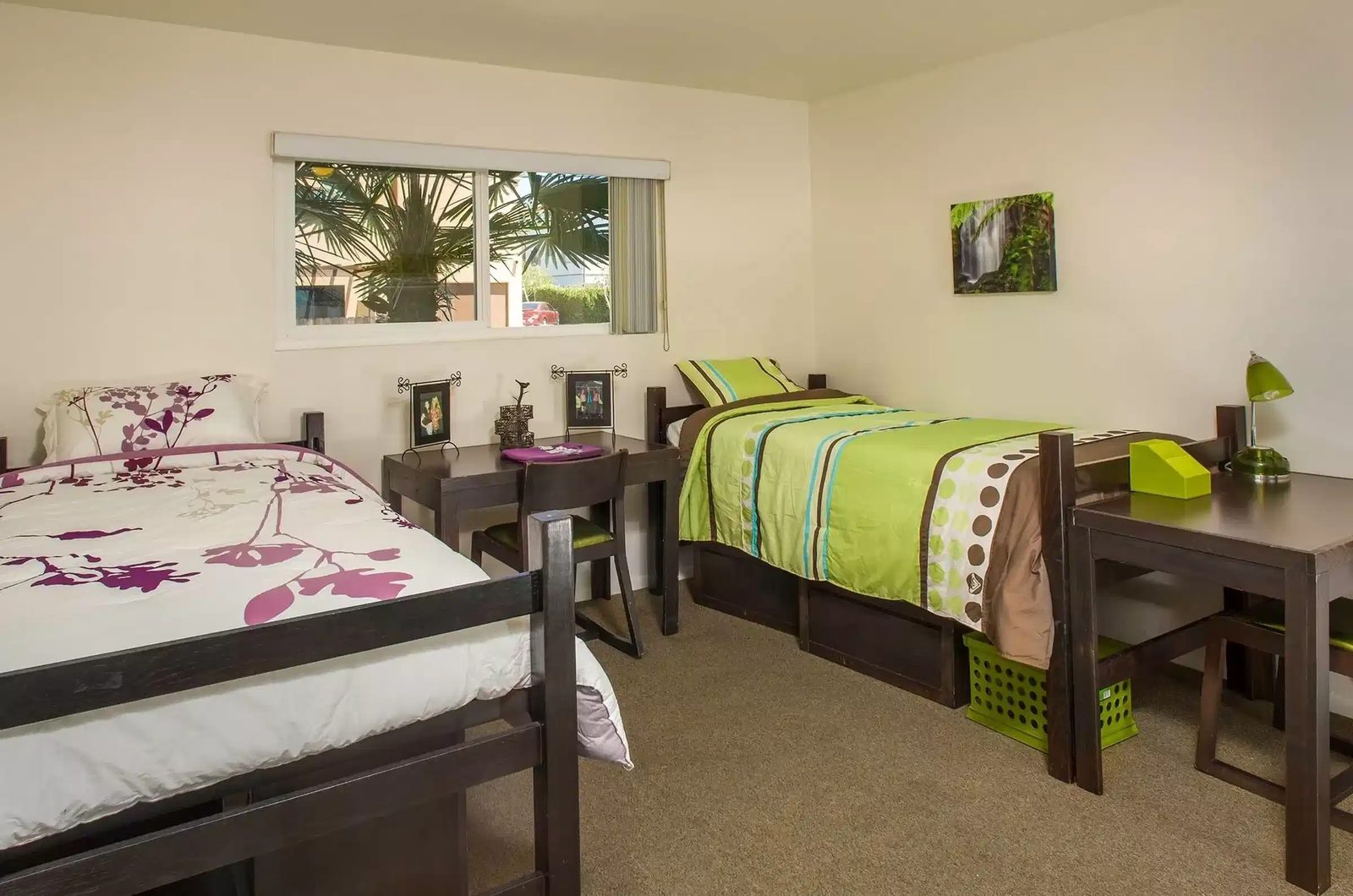
- Distance to campus – Prioritise addresses within 1 km of O-okayama Station unless budget forces a longer commute. Use Google Maps walking times.
- Transport cost – If you live beyond walking range, check whether a student discount commuter pass is available; factor the monthly cost into your budget.
- Shared vs. private – Shared houses (share houses) are common near O-okayama; they often include internet and utilities. Private apartments require upfront fees (deposit, key money, agency fee) that can equal 4–6 months’ rent.
- Check for international‑friendly policies – Some local real estate agents specialise in working with foreign tenants; look for phrases like “foreigner OK” on listing sites (but do not use any specific brand or domain here – search generally).
- Amenities – Reviews note the campus has a convenience store and cafeteria, but if you prefer to cook, look for a unit near a supermarket (e.g., a Maruetsu or Tokyu Store along the O-okayama shopping street).
A practical shortlist might contain three types:
- Option A – Share house within 5-minute walk of O-okayama Station: monthly cost around ¥50,000–¥65,000 (indicative). Ideal for arrival, minimal commitment, social environment.
- Option B – 1K apartment 10–12 minutes on foot from campus: ¥70,000–¥85,000 (indicative). More privacy, usually a small kitchen and bathroom.
- Option C – One‑stop away (e.g., Midorigaoka or Hatanodai) in a private 1K or 2K: ¥60,000–¥80,000 (indicative). Longer walk to station, but cheaper rent and more space.
Compare these with your own budget and comfort preferences before contacting any specific operator.
FAQ
Q: What is the most economical housing option near Tokyo Institute of Technology?
A: Shared houses (share houses) directly around O-okayama Station or along the Tōkyū Meguro Line typically start around ¥40,000–¥50,000 per month including utilities. Dormitory‑style accommodations (if run by the campus or a student co‑op) can be even lower. Always ask about move‑in fees, as many share houses have a smaller initial deposit than private apartments. Prices are indicative – confirm with the operator.
Q: Should I live near O-okayama campus or near other campuses (e.g., Suzukakedai)?
A: If your programme is based at the main O-okayama campus, living within walking distance or one train stop saves time. Graduate courses are held largely in English at this campus. The Suzukakedai campus (Midori-ku, Yokohama) is about 25 minutes by direct train from O-okayama, so students with classes at both sites may prefer a mid‑point along the Tōkyū Ōimachi Line or near Nagatsuta Station. Consider your class schedule before deciding.
Q: How do I secure housing as an international student without a Japanese guarantor?
A: Many private landlords require a guarantor, but some share houses and newer apartment complexes accept foreign tenants through guarantee companies that charge a one‑time fee (usually 50%–100% of one month’s rent). University international offices may also maintain a list of housing options that do not ask for a Japanese guarantor. Always confirm the exact guarantor policy with the operator or real estate agent before signing. Prices are indicative – confirm with the operator.
Data last updated: March 2026
See also: listing details · browse more