Campus Reviews: What Students Say
Tohoku University’s main Katahira Campus receives consistently positive feedback from visitors and students alike. Ben Hsu, a visitor, noted that “Katahira Campus is one of Tohoku University’s four major campuses. It houses Administrative Units, Science and Tech and Economic Research Institute.” He also mentioned the university’s historical connection to the Chinese writer Lu Xun, who studied there from 1904 to 1906. The review highlights the campus’s role as both an academic and cultural landmark. Raditya Hendra Pratama described it as “Beautiful campus in the middle of Sendai city,” pointing out the convenience of its central location. A tourist, Kwan Wai Leong, compared it favourably to his home university in Singapore, saying “This Uni trumps my home Uni in Singapore (not gonna name which) in terms of scenery and nature. Buildings are designed nicely and there are trees lining every street.” He also enjoyed a café on campus with “delicious bread and coffee.” Researcher Mohaimenul Peyal, whose lab is on campus, wrote “It’s way beautiful in every season it seems. Great to have to see this lovely place regularly.” These reviews suggest that the campus environment is a major draw — leafy streets, well-designed buildings, and a peaceful atmosphere. For prospective students, living close to such a setting can enhance daily life, but the exact location of your department matters: Tohoku University has four main campuses (Katahira, Aobayama, Kawauchi, and Amamiya). Most administrative and science/tech facilities are on Katahira, but lectures and labs may be spread across sites. Housing choices should factor in which campus you will use most.
City Context: Sendai
Sendai is the largest city in the Tohoku region, about 90 minutes north of Tokyo by Shinkansen. It is known for its green spaces, moderate climate, and relatively lower cost of living compared to Tokyo or Osaka. The city has a well-developed public transport system, including subway lines (Tozai and Namboku) and buses. Tohoku University’s main campuses are located within or near the city centre. Katahira Campus is a short walk from Sendai Station (the main transport hub), making it extremely accessible. Aobayama Campus is a bit to the west, reachable by bus or cycling. The city’s student population is large, thanks to several universities, so there is a healthy rental market with options for different budgets. Safety is high, and many students walk or cycle to campus. Sendai also offers cultural amenities such as the Sendai Castle ruins, the Zuihoden mausoleum, and seasonal festivals like the Tanabata Festival in August. For international students, the city has an established support network, though most official English-language services are handled by the university.
Budget Bands
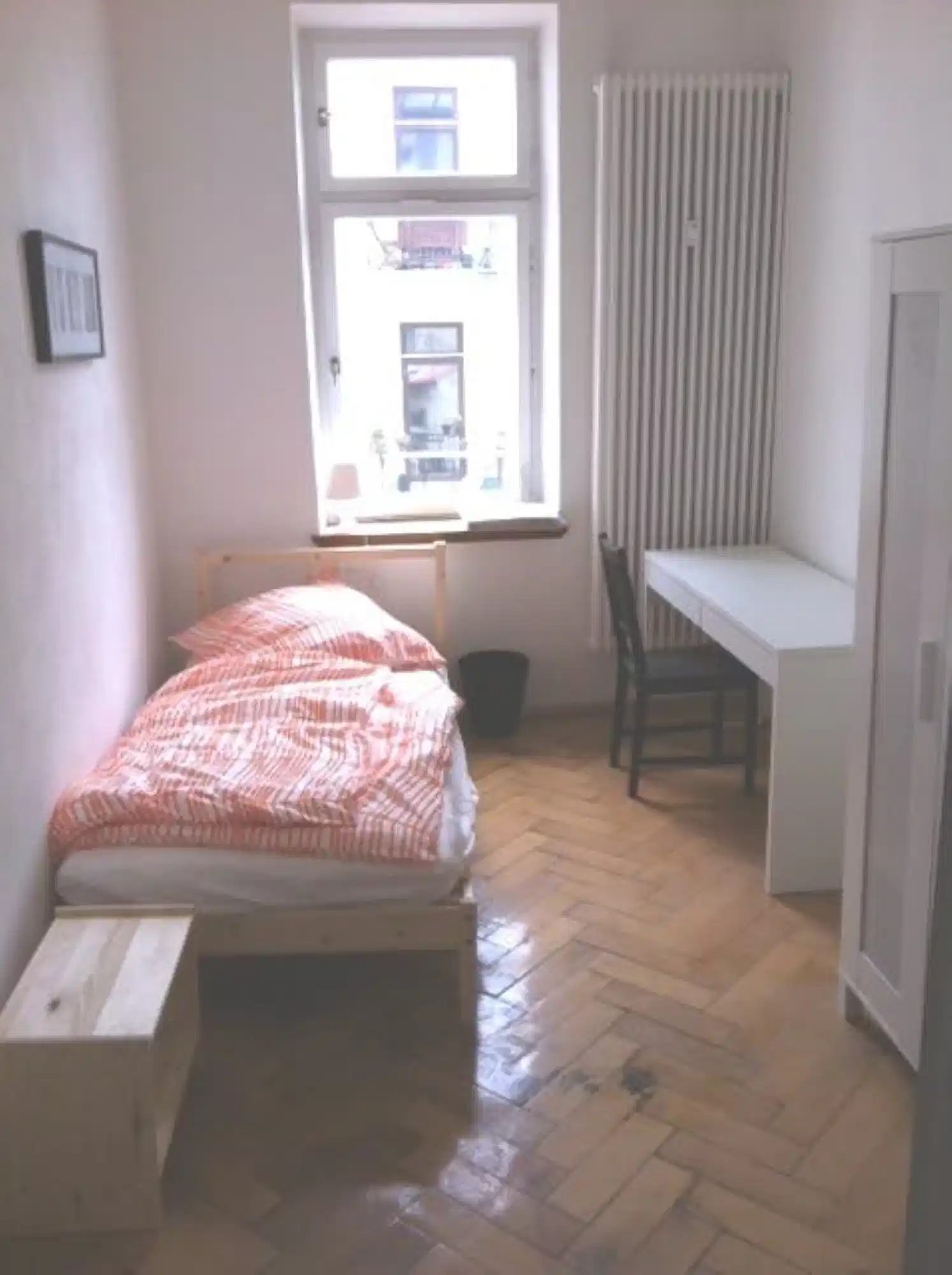
Rental costs in Sendai vary depending on distance from campus, property type, and furnishings. Generally, closer to the city centre and campuses, prices are higher. Below are indicative bands — always confirm exact pricing with the operator, as figures change with availability and season (indicative — confirm with the operator).
- Economy (shared flats or older apartments): Typically ¥40,000–¥55,000 per month for a private room in a share house or a small 1K unit (one room plus kitchenette) located 20–40 minutes by bus or bicycle from campus. Utilities may be separate. This budget often requires longer commuting time or accepting an older building.
- Mid-range (newer 1K or 1DK within walking distance): ¥55,000–¥75,000 per month. You can find modern units within 15 minutes’ walk of Katahira or Aobayama. These often include a small bathroom, kitchen, and sometimes basic internet. Many international students opt for this range.
- Premium (1LDK or spacious apartments near campus): ¥75,000–¥100,000+ per month. Suitable for couples or those who prefer more space. These are typically within 10 minutes’ walk of a campus or a subway station. Some may come with appliances or parking.
Note that most Japanese rental contracts require a deposit (shikikin), key money (reikin), and agency fee, so initial move-in costs can be 3–5 times the monthly rent. Budget accordingly.
Walk vs Transit Trade-Off
Living within walking distance (say, 15–20 minutes) of your main campus saves time and money on commuting, but rents are higher. For Katahira Campus, the area immediately north and west (around Kōtōdai, Dainohara) is popular. Aobayama Campus is hillier; walking from the nearest subway station (Kawauchi or Aobayama) involves a steep incline, so many students cycle or take the bus. Kawauchi Campus is largely pedestrian-friendly from the south side. Amamiya Campus is farther north, accessible by JR line.
If you choose a cheaper apartment farther out, you will rely on bus or subway. Sendai’s subway network covers the central area efficiently; a monthly commuter pass (for students, often discounted via the university) costs around ¥8,000–¥12,000 depending on distance. Buses are also extensive but can be crowded during peak hours. Cycling is a popular alternative — many students buy a bicycle (second-hand for ¥5,000–¥10,000) to cover 2–4 km distances. The city is mostly flat except near Aobayama. Consider the weather: Sendai has snowy winters (though less than inland areas) and rainy season in June/July. Cycling in those conditions may be less convenient.
The key trade-off is: pay more rent to save time and have a short walk, or go further out for lower rent but add daily commuting costs and travel time. Most Japanese students choose apartments within a 30-minute commute by bicycle or public transport.
Shortlist Logic Using Given Nearby Residences
“Given nearby residences” is not provided in the source data, so here is a method you can apply with any listing database:
- Identify your campus(s): Check which campus your department is on. If you have multiple courses at different campuses, prioritise the one you attend most frequently or choose a location between them (e.g., near Sendai Station gives bus/subway access to all).
- Set your maximum commute: Decide how long you are willing to travel each day (e.g., 20 minutes walk or 15 minutes by bike). Use a map tool to draw a radius around your campus.
- Filter by type: Decide between share house (lower cost, social) or private apartment (more privacy). Share houses often have shorter contracts and include utilities, good for short stays. Private apartments require longer commitments and upfront costs.
- Check transport links: If you choose an apartment more than 2 km away, verify that a bus or subway station is within 5–10 minutes walk and that pass costs are acceptable.
- Compare rent and conditions: List properties that match your budget band. Note whether utilities, internet, and key money are included. Request a detailed cost breakdown from the operator (indicative — confirm with the operator).
- Visit in person or view virtual tours: Pay attention to sunlight, noise, and distance to grocery stores and laundry. Tohoku University’s International Student Office may offer a housing support service or list of approved dormitories.
- Read reviews: Look for feedback from previous tenants regarding landlord responsiveness, cleanliness, and neighbourhood safety.
This approach helps you shortlist 3–5 candidates before contacting operators.
FAQ
How far in advance should I start looking for housing in Sendai?
Begin at least 2–3 months before your planned arrival. Many apartments become available 30–60 days ahead, and competition is higher just before the academic term starts in April and October. If you are coming through an exchange programme, the university may offer temporary accommodation (like the Tohoku University International House) for the first few weeks, allowing you to search after arrival. Still, early online research is recommended.
Are utilities included in the rent?
Typically no. Most rental advertisements list rent only. Utilities (electricity, water, gas, internet) are additional, usually ¥10,000–¥15,000 per month for a single person. Some share houses include utilities in the monthly fee. Always ask the operator for a breakdown (indicative — confirm with the operator). Also, inquire about initial fees: deposit, key money, agency fee, and any community fees.
Can I find a place without a Japanese guarantor?
It can be challenging. Many landlords require a guarantor who is a Japanese resident with a stable income. International students often use the “Japan Housing” service provided by the university or private companies that act as guarantors for a fee. The International Student Office can provide a list of such services. Alternatively, consider dormitories or share houses specifically for international students, which may have easier requirements.
Data date: 2026. All rental figures are indicative — confirm with the operator.
See also: listing details · browse more