Campus Atmosphere: What Reviews Reveal
The University of Tokyo (Todai) Hongo Campus sits in Bunkyo City, a central ward of Tokyo. Its red gate (Akamon) and ginkgo-lined avenues are well known, but recent visitors mention renovation work. One reviewer noted: “Unfortunately, the red gate was closed for renovations, but the atmosphere inside was beautiful. Walking around and admiring the architecture was very impressive.” Another added: “The red gate was under renovation. I want to come here in Autumn next time to see the golden ginkgo trees.” Despite the temporary closure, the campus itself is described as serene. “The campus is very quiet, maybe is school holiday. Spending quiet time walking around the university campus is a really nice way to relax and disconnect,” wrote a visitor. A third reviewer called Todai “the best university and one of the best in the world” and described the campus as “the incubator of elites of Japan.” These comments point to a peaceful, historic environment that contrasts with the surrounding city. For prospective students, the atmosphere suggests that housing within walking distance would allow easy access to this calm study space, while still being close to Tokyo’s energy.
The university is rated 4.5 stars on Google from 2,936 reviews, reflecting strong overall satisfaction. Its QS world rank of 36 (for the year this guide is based on, 2026) makes it one of Japan’s top institutions. The Hongo Campus is the main site, and most academic facilities are located there.
Tokyo Living: City Context for Students
Tokyo is a dense, well-connected metropolis. Bunkyo City is a residential and academic hub, housing several universities and research institutes. The neighborhood around Hongo Campus offers a mix of older apartment buildings (mansion), small detached houses, and modern condominiums. Students share the area with families and professionals. Ueno Park, the Imperial Palace, and the major business districts of Marunouchi and Akihabara are within a short train or bike ride. The nearest subway station is Todaimae on the Namboku Line, and nearby stations include Hongo Sanchome (Marunouchi Line) and Yushima (Chiyoda Line). Buses also connect the campus to Shinjuku, Shibuya, and other parts of the city.
For those moving to Tokyo for the first time, the city’s public transport is punctual and extensive, but peak-hour crowding is common. Living near campus can save commuting time, though rent tends to be higher in the immediate vicinity. Bunkyo City itself is moderately priced compared to central wards like Minato or Shibuya, but cheaper than some suburban options considering the time saved. Students on a tight budget may need to look slightly farther out, along the Namboku or Marunouchi lines.
Budget Considerations for Housing
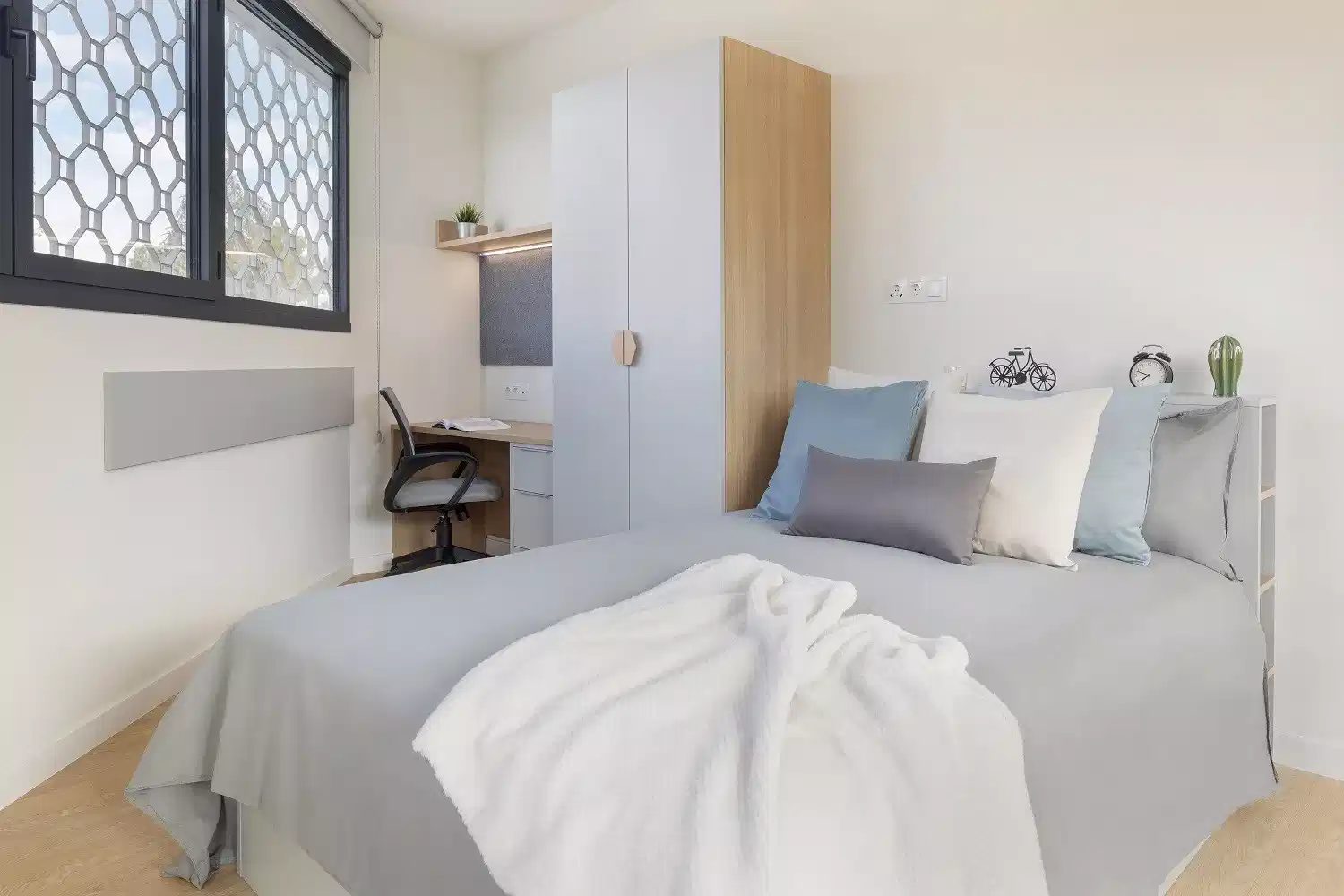
Rental costs for student accommodation near Hongo Campus vary widely depending on size, age, and location within Bunkyo City. Studio apartments (typically 20–40 m²) usually range from 80,000 to 130,000 JPY per month for a modest unit within 15 minutes’ walk of the campus. Shared apartments or guesthouses can be found from 50,000 to 80,000 JPY per month per person, often with shared kitchens and bathrooms. University-owned dormitories are limited and competitive; private student dormitories (e.g., those run by independent operators) may offer rates from 70,000 to 110,000 JPY inclusive of utilities.
All figures above are indicative — confirm with the operator. Actual prices change depending on season, contract length, and whether utilities, internet, and key money (reikin) are included. Many apartments in Japan require a deposit (shikikin), a non-refundable key money payment, and a guarantor. Purpose-built student housing often includes these costs upfront. Always request a breakdown before signing.
Walk vs Transit Trade-Off
Choosing a residence within walking distance of Hongo Campus offers convenience: you can roll out of bed and be in class in 10–15 minutes. The campus is quiet, so evening walks are pleasant. The trade-off is higher rent per square meter and fewer options—supply is limited in the immediate area.
If you are willing to take public transport, many more affordable options open up along the Marunouchi Line (stations from Honancho to Ogikubo) or the Namboku Line (south toward Takanawadai or north toward Akabane). A 20–30 minute commute one way is typical for many Tokyo students. The subway pass can be bundled into your rent or paid monthly (a monthly commuter pass for a single line costs roughly 8,000–12,000 JPY depending on distance). Buses are also available but less punctual. Cycling is another alternative—the city is relatively flat around the campus, and bicycle parking is available.
For students who value study time or need to access libraries late, walking is better. For those who want a larger living space or lower rent, transit is the better choice. A hybrid strategy—living within a 10-minute bike ride of the campus—can also work, with rental costs often between the two extremes.
Shortlisting Housing Options
Because the dataset for this guide does not include specific nearby residences, a general shortlisting logic is provided instead. When searching for housing near the University of Tokyo, consider these steps:
- Define your walk radius. Start with properties within 1 km of the Hongo Campus (roughly a 12-minute walk). Check maps to confirm distance to your faculty building—the campus is large, and some departments are closer to certain gates.
- Check transport links. If walking isn’t your priority, list stations that offer a direct train to Todaimae or Yushima. The Marunouchi Line and Namboku Line are most direct. Note that some lines require a transfer; avoid those if you want a short commute.
- Compare budget bands. Separate options into under 70,000 JPY, 70,000–100,000 JPY, and above 100,000 JPY (indicative). Filter out anything that exceeds your comfortable maximum.
- Read reviews of the building or management company. Google Maps and housing portals often include tenant feedback about noise, cleanliness, and landlord responsiveness. Look for patterns.
- Visit in person (if possible) or use a virtual tour. Photos can be misleading; check ceiling height, window quality, and proximity to convenience stores or laundromats.
- Consider shared facilities. Some guesthouses and share houses include cleaning services, common lounges, and events—helpful for international students making friends.
No specific residence is recommended here because availability and prices change frequently. Always verify with the operator before any commitment.
Frequently Asked Questions (FAQ)
What is the typical commute time from areas like Kōenji or Shinjuku to Hongo Campus?
Kōenji is about 20 minutes by train (via the Marunouchi Line, changing at Shinjuku or direct on the JR Chuo-Sobu line to Ochanomizu and walking). Shinjuku is about 15 minutes by train to Yushima or Todaimae. Both are popular choices for students seeking slightly lower rent. All times are indicative and depend on train schedules.
Are furnished apartments common near the university?
Partly furnished apartments (with stove, air conditioner, and sometimes a small fridge) are standard in Tokyo. Fully furnished units are often offered through student housing operators, but they tend to be more expensive. Many students buy basic furniture from second-hand shops (e.g., Book Off, Hard Off) or online marketplaces. Confirm what is included before signing.
How do I avoid upfront costs like key money and deposits?
Purpose-built student residences specifically for international students sometimes wrap these costs into a single move-in fee or waive them entirely. Individual apartments (especially through real estate agents) often require key money (one month’s rent non-refundable), deposit (one month’s rent refundable), and a guarantor fee. Using a “0-reikin 0-shikikin” property listing can help, but these may have higher monthly rent. Always ask the operator for a complete cost breakdown.
See also: listing details · browse more