Housing Near the University of Melbourne: What Students Say and How to Choose
The University of Melbourne ranks 19th globally in the QS World University Rankings and holds a Google rating of 4.5 from 1,692 reviews. Its main campus sits in Parkville, about two kilometers north of Melbourne’s central business district. Student reviews paint a vivid picture of the campus experience, which directly influences housing decisions: a beautiful environment, modernised historic buildings, and, for some, a mismatch between prestige and day-to-day learning.
“A very beautiful university and they have some really nice old architectural buildings! Highly recommend you come here just to see them! Free to enter!” writes reviewer M C (5-star, 5 months ago). Another reviewer, Maria Ngo (4-star, a year ago), adds: “A beautiful campus even in the evening. Very well equipped lecture halls with comfortable seats. The campus has very cozy study spaces. Buildings are modern on the inside while the old world charm is preserved on the outside.”
But not all opinions are glowing. Farhan (1-star, a month ago) says: “University of Melbourne: where you pay Group of Eight prices for YouTube tutorial quality education. The entire business model is built on prestige, rankings, and international student money. Undergraduate students are sold the dream of ‘world-class education’, then get shoved into overcrowded lectu…” (text truncated in the source). And musta ch (5-star, a month ago) focuses on architecture: “What makes the campus truly compelling, though, is the tension between eras. The old quad sits in quiet dialogue with boldly contemporary interventions … the Melbourne School of Design in particular is a genuinely thrilling building.”
These reviews hint at a campus that attracts students who value aesthetics and heritage, but also one where lecture quality and class sizes can disappoint. For a housing search, the key takeaways are: the campus is centrally located, well-served by public transport, and set in a leafy, affluent suburb. Your housing choice will depend on how much you value proximity, budget, and the kind of neighbourhood you want to live in.
City Context: Melbourne as a Student City
Melbourne is Australia’s second-largest city and a major international student hub. The University of Melbourne sits within the inner-north precinct, surrounded by the suburbs of Parkville, Carlton, Fitzroy, and North Melbourne. Public transport includes trams, trains, and buses; the city’s free tram zone covers parts of the CBD but not the campus. Most students commute by tram or bicycle.
Accommodation options range from shared houses in older terrace homes to purpose-built student accommodation (PBSA) and private apartments. PBSA buildings are typically clustered around the campus – especially along Royal Parade, Swanston Street, and in the Carlton area – offering furnished studios and apartments with all-inclusive rents. Shared housing is more budget-friendly but requires a longer search and often a lease commitment.
Budget Bands
Because specific rental figures were not provided in the source data, the following are general categories. All prices are indicative — confirm with the operator.
- Low budget: Renting a room in a shared house or apartment, typically in suburbs 20–40 minutes by tram from campus (e.g., Brunswick, Coburg, Footscray). Expect to share common areas and appliances. Weekly rent for a room in a shared property can range widely depending on location and condition.
- Mid budget: A studio or one-bedroom in a purpose-built student building within walking distance or a short tram ride. These often include internet, utilities, and basic furniture. Rents vary significantly by building age and amenities.
- High budget: Larger apartments or premium PBSA units with private balconies, gyms, and co-working spaces, located immediately adjacent to campus or in the CBD. These offer convenience and high specification but at a premium.
When evaluating options, always ask the operator for the total weekly cost inclusive of utilities, any booking fees, and the lease term (typically 44 or 52 weeks). For 2026 and 2027 intakes, many PBSA buildings release rooms around mid-year for February starts and from September for July starts.
Walk vs. Transit Trade-Off
Living within a 15-minute walk of the University of Melbourne gives you access to Parkville and northern Carlton. This corridor offers the shortest commute – you can roll out of bed and be in a lecture hall inside ten minutes. The trade-off: rents in these postcodes are among the highest in the city. Foot traffic on Swanston Street and Lygon Street is constant, providing cafes, supermarkets, and nightlife within steps.
If you choose a suburb further out (e.g., Southbank, Fitzroy North, or Richmond), you will likely rely on trams (Routes 1, 3, 5, 6, 11, 16, 19, 64, 67, 72 all serve the university stop on Swanston Street) or the train (Melbourne Central Station, a 10-minute walk from campus). A commute of 20–30 minutes each way is typical. The benefit: lower rent and more space, and often a quieter residential street. The cost: tram passes (Myki card, pay as you go or weekly cap) and time spent commuting.
For students who need to return home late, factor in safety and transport frequency. Trams run until around midnight on weeknights, with night trams on weekends. Bicycle paths along the Merri Creek and Capital City Trail connect many inner suburbs to Parkville.
Shortlist Logic Using Reviews and Practical Factors
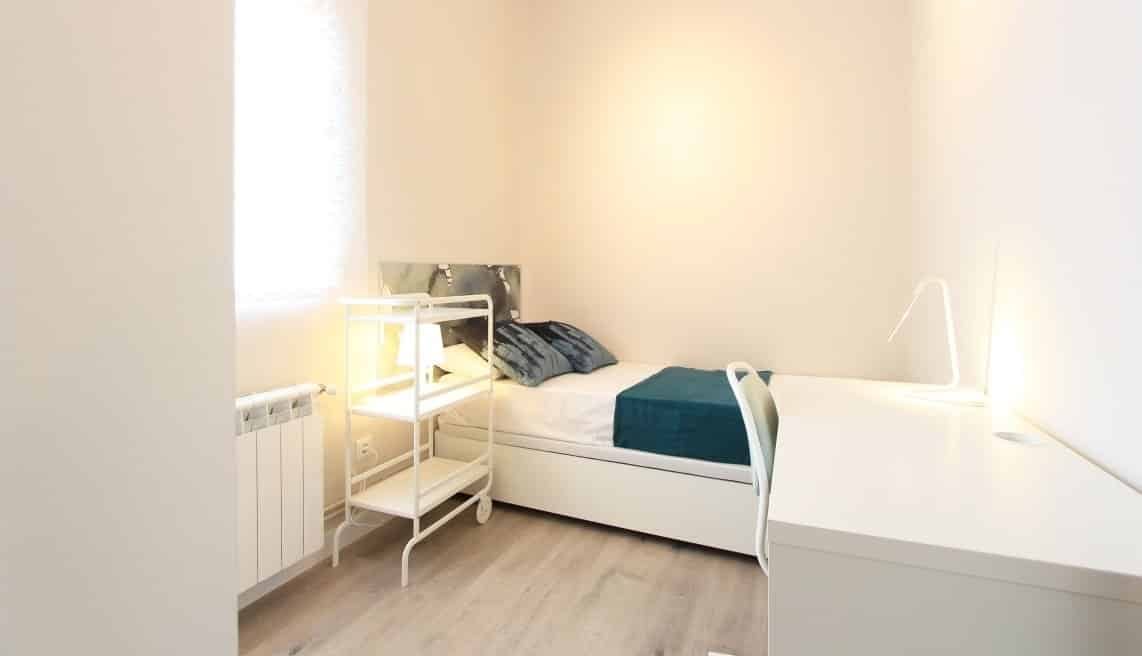
When deciding where to stay, combine what current students highlight with your own priorities:
-
Prioritise study environment. Multiple reviews praise the campus for its cosy study spaces and well-equipped lecture halls. If you need a quiet place to study at home, look for accommodation with a dedicated desk area or a study lounge. In PBSA, check if common study rooms have enough power outlets and seating turnover.
-
Expect the commute experience. If you travel more than 15 minutes, verify tram frequency along your route. The 1-star review warns about overcrowded lectures; you may want to reduce stress by keeping your commute short.
-
Match budget to building quality. The architectural commentary from musta ch suggests that some buildings on campus are genuinely inspiring. For housing, if you care about similar design quality, look at newer PBSA buildings (built after 2018) that often feature modern facades and interior atria. Older converted houses in Parkville may charm but lack soundproofing or climate control.
-
Check for hidden costs. The two positive reviews from M C and Maria Ngo mention that the campus is free to enter and has outdoor spaces. That does not mean housing is cheap. Always confirm whether rent includes water, electricity, gas, internet, and contents insurance. A cheaper rental without bills may end up costing more.
-
Read recent reviews for the specific building. Online reviews of a residence can range from complaints about management to praise for facilities. Look for patterns: if multiple reviewers mention noise, poor maintenance, or inflexible billing, steer clear. If reviews mention friendly staff and good location, it is likely more reliable.
Because the source data does not include a list of specific nearby residences, here is a generic shortlisting process you can apply:
- If you are an incoming undergraduate looking for a social environment, choose a PBSA with a common room and events calendar (many in Carlton).
- If you are a postgraduate or need quiet, look for shared houses in Fitzroy or Brunswick (quieter streets off the main roads).
- If you want to walk to campus every day, filter for properties within 1 km of the address “Parkville VIC 3010” and verify the walking route via Google Maps (the campus itself is large – check which building your classes are in).
- If you value food and nightlife, Lygon Street (Italian restaurants) and Sydney Road (diverse cuisines) offer lively settings but can be noisy at night.
Frequently Asked Questions
Q: How far is the University of Melbourne from Melbourne’s CBD? A: The campus lies on the northern edge of the CBD. From the central railway stations (Flinders Street, Melbourne Central), you can walk to the university in 15–20 minutes or take a tram that takes 5–10 minutes. Many student accommodation options in the CBD are still a short tram ride away, but cost may be higher than in nearby Carlton or Parkville.
Q: Which suburbs are popular among students for renting? A: Common choices include Parkville (on campus or across the street), Carlton (just east of campus), Fitzroy (a 15-minute walk), North Melbourne (10-minute walk or tram), and Brunswick (20-minute tram). Each offers different price levels and character. For a quieter residential feel, consider Kensington or West Melbourne.
Q: When should I start looking for accommodation for a 2026 or 2027 semester start? A: For Semester 1 (late February/March), begin searching in September–October of the previous year. For Semester 2 (July), start in March–April. Purpose-built student accommodation often opens waitlists a year in advance. If you are looking for shared housing, listings peak around 8–12 weeks before move-in. Always confirm details directly with the operator – prices and availability change frequently.
Data as of 2026.
See also: listing details · browse more