Housing Near the University of Auckland: A Practical Guide for 2026–2027
Campus Reviews and What They Reveal About Student Life
The University of Auckland consistently ranks among the top 100 universities globally (QS World University Rankings 2025 placed it at #65). Located in the heart of Auckland’s central business district, the campus draws a diverse student body from New Zealand and abroad. But what do students actually say about the experience? Reviews on Google (4.0 rating from 810 reviews) paint a mixed picture.
One reviewer, L Otago, gave a 5-star review after an open day: “Amazing campus. University of Auckland open day was incredible and so so many choices for students. Very central location, beautiful library and the Arts building is something very special to see. Below scores are out of 5 ⭐️👌 Atmosphere 5 ⭐️ Course choices 5 ⭐️ Presentation 5 ⭐️.” The praise focuses on the central location and the quality of facilities.
Another reviewer, Pauls Davis, also awarded 5 stars: “Really impressed at the new buildings and the facilities even though the project is taking a long time to complete. The premier University and the highest ranking one in New Zealand, University of Auckland maintains a good reputation among students and alumni. The campus is amazing and well structured.” This suggests ongoing construction but overall satisfaction.
However, not all reviews are glowing. Jessica Lafitte gave 1 star: “Horrific application process. Was given an unachievable deadline to get some documents in for a conditional offer. I contacted student support, and the lady on the phone was pleasant but couldn’t give me any answers. Because of the importance of my issue, an urgent email was sent to admissions. The …” This points to frustration with administrative communication.
Kai Smith also rated 1 star: “Terrible communication from admissions. I got an email saying ‘congratulations on your conditional offer’ and was sent links to book a literacy and numeracy test. I felt this was enough reassurance that I had got in. I booked the tests in advance. I then looked at my portal a week later to see my ap …” This highlights confusion during the offer process.
These reviews suggest that while the campus itself impresses, the admissions process can be stressful. For students planning housing, early preparation and clear communication with the university’s accommodation services are key. The central location means many housing options are within walking distance, but the trade-off is higher rent compared to suburbs further out.
City Context: Auckland’s Student Housing Landscape
Auckland is New Zealand’s largest city, with a population of over 1.6 million. The University’s main campus at 34 Princes Street is in the Auckland CBD, a vibrant area with shops, cafes, and transport hubs. The city offers a range of student accommodation: purpose-built student apartments, shared flats, and private rentals. The typical academic year runs from late February to November, with two semesters.
According to available data, student housing in Auckland starts from approximately NZD 280 per week (indicative — confirm with the operator). This figure represents a lower-end rent for a basic room in a shared apartment or a studio in a managed complex. Mid-range options typically fall between NZD 300 and NZD 450 per week, while premium studios or en-suite rooms in central buildings can exceed NZD 500.
Currency conversion: NZD 1 equals roughly 0.60 USD or 0.55 EUR (rates fluctuate; confirm at time of booking). The cost of living in Auckland is moderate by international standards but can be high for local students. Most purpose-built student residences include utilities, internet, and sometimes a meal plan.
Walk vs. Transit: Trade-offs for Students
The University of Auckland’s central location gives students a distinct advantage: many accommodation options are within a 10–20 minute walk. The campus is bordered by Princes Street, Symonds Street, and Wellesley Street, making it accessible on foot from surrounding suburbs such as Grafton, Newton, and Ponsonby. Walking saves money on transport and reduces commute time, which is particularly helpful for early classes or late library sessions.
However, walking-distance properties tend to command a rent premium. A studio apartment within 500 metres of the campus can easily cost NZD 350–500 per week. If you are on a tight budget, you may need to look further out, such as in Mount Eden, Epsom, or Newmarket, where rents can be NZD 50–100 lower per week. These areas require a bus or train ride of 15–30 minutes.
Auckland’s public transport system includes buses, trains, and the city’s light rail (trams). A student discount is available with an AT HOP card, offering about 40% off standard fares. A monthly transport pass for unlimited travel in the CBD zone costs around NZD 180 (indicative). For students living 3–5 km away, the daily commute could add NZD 15–25 per week plus travel time.
The trade-off boils down to personal preference: if you value saving time and being close to campus cafes and events, pay more for a central room. If you prioritise lower rent and don’t mind a short commute, look in the inner suburbs. Many students also cycle; Auckland’s cycle network is expanding but hilly in some areas.
Budget Bands and What You Can Expect
Based on the indicative starting rent of NZD 280 per week, here is a typical breakdown:
- Budget band (NZD 280–350 per week): Usually a single room in a shared apartment or a smaller studio in a managed building like Unilodge or Student Living. These may be a 15–25 minute walk from campus or require a short bus ride. Utilities and internet are often included in purpose-built accommodation, but private flats may not be.
- Mid-range (NZD 350–450 per week): A larger studio or a one-bedroom apartment in a modern complex close to campus. Examples include Empire Apartments or UniLodge Wellesley Apartments. Many of these offer communal lounges, gyms, and study areas. This band suits students who want more space and amenities without stretching the budget.
- Premium (NZD 450+ per week): En-suite rooms in brand-new builds, serviced apartments, or luxury studios in prime locations. UniLodge Mayoral Drive Student Accommodation and similar options fall here. These properties often have concierge services, rooftop terraces, and prime city views.
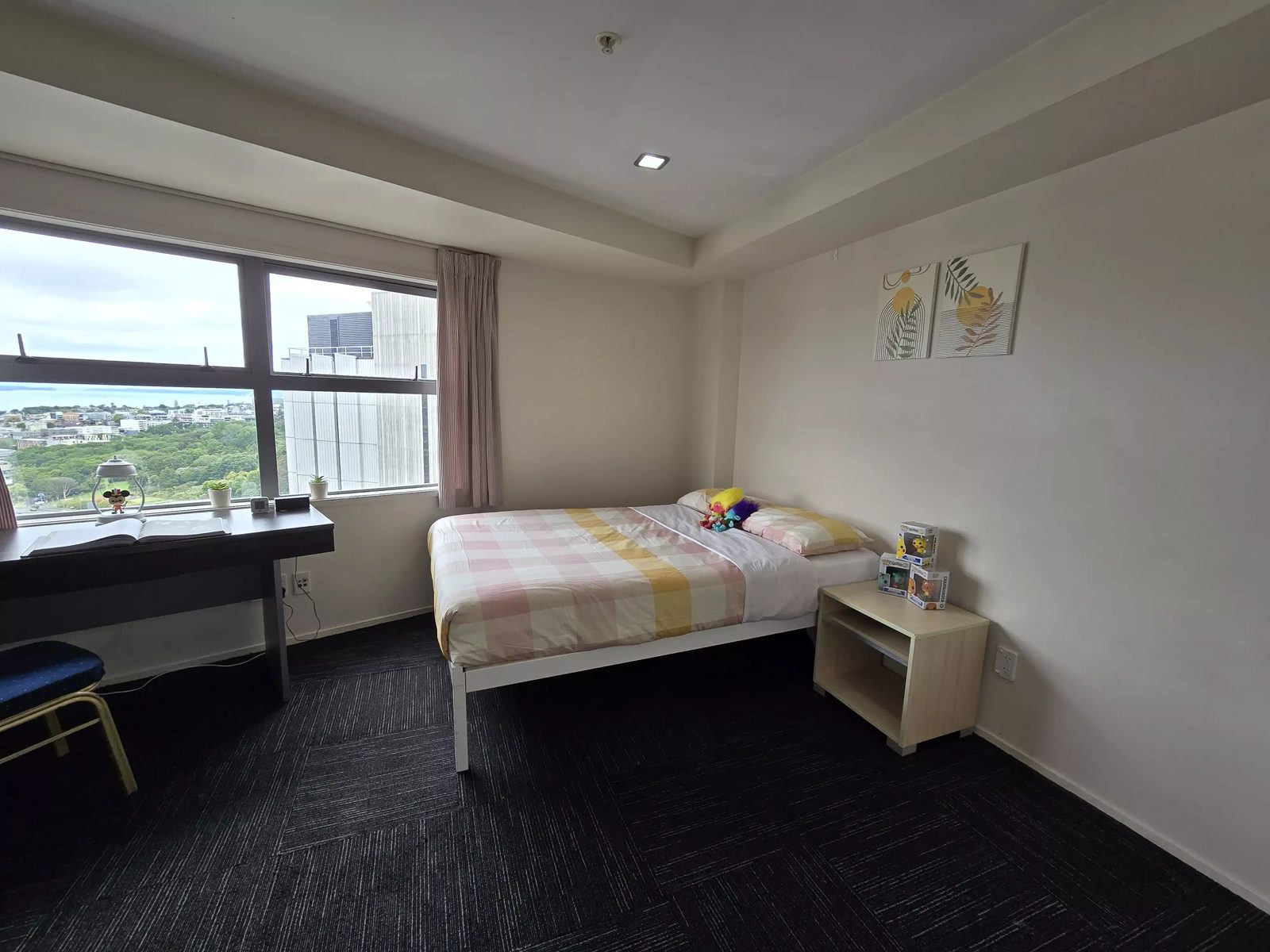
All prices mentioned are indicative — you should confirm with the operator when booking. Also note that many providers require a deposit (typically 2–4 weeks’ rent) and a 12-month lease, though shorter contracts may be available for semester stays.
Shortlist Logic: Using the Given Nearby Residences
From the available data, six residence names appear as examples of housing options near the University of Auckland:
- Empire Apartments
- Student Living Auckland
- Unilodge Auckland City
- UniLodge Mayoral Drive Student Accommodation
- UniLodge Wellesley Apartments
- (The list shows “UniLodge Wellesley Apartments” twice in the sample, but the count is six; the sixth might be “Unilodge Auckland City” as variations. We’ll treat the primary five distinct names.)
Each of these is a purpose-built student accommodation (PBSA) provider. When building your shortlist, consider these factors:
- Location and walking time: UniLodge Wellesley Apartments and Unilodge Auckland City are located on or near Wellesley Street and Symonds Street, putting them within 5–10 minutes’ walk of the university’s Science and Arts buildings. Empire Apartments and Student Living Auckland are also in the CBD, likely a 10–15 minute walk.
- Amenities: Most PBSAs provide furnished rooms, on-site laundry, security, and social events. UniLodge properties often have gyms and study rooms. Check specific offerings on their websites.
- Price range: Based on industry norms, Unilodge and Student Living are often in the mid- to premium band (NZD 350–500), while Empire Apartments may have slightly lower rates. Always verify current pricing.
- Room types: Some residences offer both shared flats and studios. If you need a private bathroom (ensuite), it will cost more. For budget, consider a cluster flat where you share a kitchen and bathroom with 3–5 others.
- Contract length: Many PBSAs offer 12-month leases beginning in February, but some have 6-month options for semester-only study. If you arrive mid-year, check availability.
- Reviews: While the University of Auckland campus reviews are mixed, accommodation providers have separate feedback. It is wise to search independent review sites (but not within this article; you can do your own research) or ask current students on social media.
To make a shortlist, rank residences by walking distance, then by price, then by amenities that matter to you. For example, if you are a postgraduate student who values quiet study, choose a premium studio in UniLodge Mayoral Drive. If you are an undergraduate on a tight budget, consider a shared flat in Empire Apartments and accept a longer walk or bus ride.
Frequently Asked Questions
1. When should I apply for housing near the University of Auckland?
Apply as early as possible — ideally 4–6 months before your semester starts. Most PBSAs open applications in October for the following February intake. Demand is high, especially for properties within walking distance. If you receive a conditional offer from the university (as some reviews note can be stressful), you may still apply for housing, but be aware that your accommodation may not be guaranteed until your offer is unconditional. Contact the residence directly for advice.
2. Are utilities and internet included in the indicative rent quoted?
In purpose-built student accommodation, utilities (water, electricity, gas) and high-speed internet are typically included in the weekly rent. Private rentals may charge these separately — ask the landlord or agent before signing. The indicative starting price of NZD 280 per week likely applies to a basic package in a managed building. Always confirm what is covered in your specific contract.
3. Is it cheaper to live in shared flats outside the CBD?
Yes, generally. A room in a shared house in suburbs like Mount Eden or Epsom can cost NZD 220–300 per week, compared to NZD 350+ for a similar room in the CBD. However, factor in transport costs (NZD 15–25 per week on a bus pass) and travel time. If you value proximity to campus and don’t mind paying more, CBD living often saves you time and gives you greater access to nightlife and part-time work opportunities.
Data as of Q1 2026. Prices are indicative — confirm with the operator before booking.
See also: listing details · browse more