Campus Reviews: What Students Say About CUHK
The Chinese University of Hong Kong (CUHK) consistently earns high praise from students and visitors. On Google, it holds a 4.4 rating from 722 reviews. Students highlight the campus environment, facilities, and academic reputation.
One reviewer wrote: “CUHK is one of Asia’s premier institutions of higher education, nestled between mountains and the sea, with an open and inclusive spirit. The campus offers stunning scenery and a wide range of activities, making for an exceptional student experience. It also boasts an extensive and comprehensive arr…” (海鲜汤, 5 stars, 3 months ago). Another visitor shared: “i love cuhk! visited for the first time . my tour guide make me walk a lot and then she pulled up google maps but isok we saw the pavilion thing and a cat. i also ate at uc canteen. THEYBHAVE CAKE. steamed egg ftw. 10/10” (Leeanne Go, 5 stars, 5 months ago). A third review noted: “The Chinese University of Hong Kong (CUHK) is a comprehensive university firmly rooted in research and community betterment. Since its establishment in 1963, CUHK has consistently upheld the highest standards of scholarly output and contributions to society. As a leading global research university, …” (Doug Ho, 5 stars, a year ago). Another student commented: “It’s a great University in Hong Kong. The ranking is good, the teaching quality is good. An abundant supply of materials and support to students. Facilities are good enough for students, sports grounds, libraries, swimming pool, accommodation, café, and canteen, etc. Buildings are all along the moun…” (Antonia Yan, 5 stars, 2 years ago).
What these reviews reveal: CUHK’s campus is scenic but hilly – students mention walking a lot and the need for Google Maps. The university provides comprehensive facilities and canteens (including cake and steamed egg). Accommodation is available on campus, but many students seek off-campus housing for more independence or lower cost. The “mountains and sea” setting means some housing areas are perched on slopes; you may want to consider proximity to campus entrances and shuttle buses.
Hong Kong SAR – City Context
Hong Kong is a compact, densely populated city with a well-connected public transport system. CUHK is located in Ma Liu Shui, Sha Tin District, in the New Territories. The campus sits on a hillside overlooking Tolo Harbour. The city’s housing market is known for high density and relatively small units, especially within 30 minutes of the university.
Rental prices in Hong Kong are generally higher than in many other study destinations. However, compared to Hong Kong Island and Kowloon, the Sha Tin area offers more affordable options. Students can expect a mix of private apartments, subdivided flats, and village houses. Many landlords prefer leases of 12 months or more. Be aware that rental deposits (often two months’ rent) and a one-month agency fee are common.
Public transport is efficient: MTR (Mass Transit Railway) East Rail Line runs through Sha Tin and directly serves University Station, which is on campus. Buses and minibuses also connect surrounding neighbourhoods. Walking and cycling are possible for those living in nearby estates like those within 1–2 km of the campus, but the hilly terrain can make cycling less practical.
Budget Bands for Student Housing Near CUHK
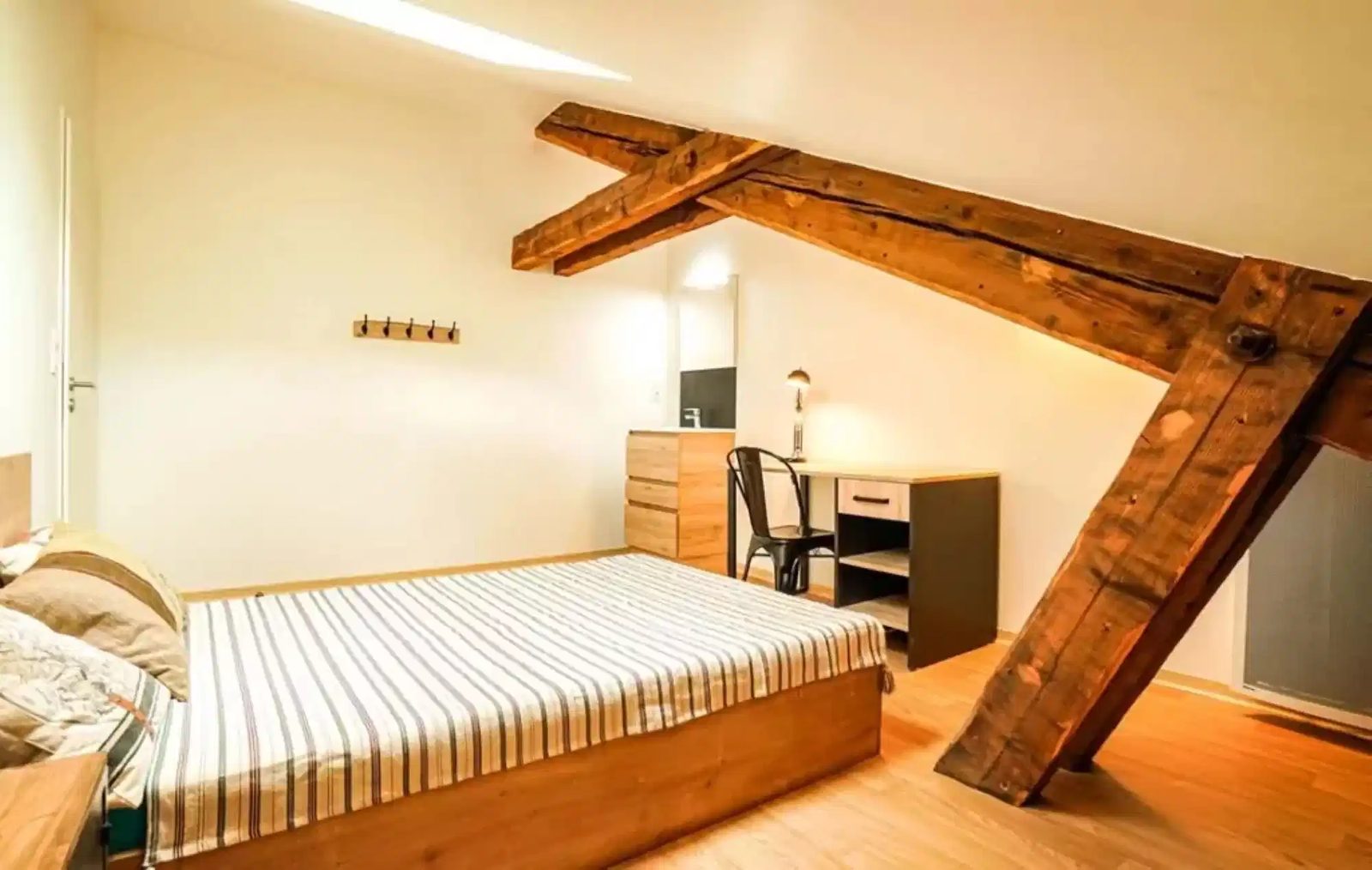
Rents are indicative — confirm with the operator. Prices vary significantly based on unit size, condition, and distance from campus. The following are approximate monthly rent ranges (in Hong Kong dollars, HKD) for studios or single rooms in shared flats, as of 2026.
- Low budget (HK$4,000–$7,000 per month): Typically a room in a subdivided flat or a shared flat in older buildings in areas like Tai Wai (one MTR stop from University) or Fo Tan (two stops). These units are small (around 60–100 sq ft for a room) and may have shared kitchens and bathrooms. Expect 15–25 minutes door-to-door by train plus walking.
- Mid budget (HK$7,000–$11,000 per month): A private studio or a larger room in a shared apartment in Sha Tin town centre or around University Station. Walking distance to campus can be 10–20 minutes. Apartments in this band are more likely to have ensuite bathrooms and a separate kitchenette. Some newer developments near the MTR offer better amenities.
- High budget (HK$11,000–$16,000+ per month): Entire flats (one- or two-bedroom) or high-quality serviced apartments near the university, such as those in the hillside estates of Ma On Shan or in the residential area of Shatin Heights. These come with more space, better views, and often include a gym or pool. Commute times by bus or taxi are about 15–30 minutes.
It’s worth noting that on-campus undergraduate accommodation is available for a limited number of students; off-campus options are more common for postgraduates and exchange students. Always confirm utility costs (electricity, water, gas) and internet charges, as these are often separate.
Walk vs. Transit: Distance and Commute Trade-offs
Proximity to campus is a key factor, but the hilly terrain and public transport convenience affect the trade-off.
- Walking distance (5–15 minutes): Areas immediately around University Station and along the campus perimeter. For example, the private housing estate “Jubilee Garden” at the foot of the campus hill is about a 5-minute walk to the Central Campus via a footbridge. Walking is free and reliable, but you may need to climb slopes or stairs. Some students find it manageable; others prefer the flat route along the MTR concourse.
- Short transit (1–3 MTR stops, 10–20 minutes door-to-door): Tai Wai (stop name: Tai Wai) and Fo Tan (one stop north) are popular. From Tai Wai, University Station is one stop away (3 minutes). Buses from Fo Tan take about 10 minutes. These areas have more diverse housing stock and slightly lower rents than the immediate campus vicinity. The trade-off is the cost of a monthly MTR pass (around HK$300–500) and the time spent waiting and travelling. For students with early morning classes, the MTR frequency is high (every 2–4 minutes during peak), so delays are rare.
- Longer commute (3+ MTR stops or bus, 25–40 minutes): Areas like Diamond Hill, Lok Fu, or even Kowloon Tong (not the university) are accessible but push travel time beyond 30 minutes. The trade-off is lower rent – you might find a room for HK$4,000 or less – but you lose study time and flexibility. If you have only a couple of classes per day, this might be acceptable; for daily full schedules, a shorter commute is strongly recommended.
For most students, a 20-minute total door-to-door commute (walk + train) is a good balance. Living within a 10-minute walk to the campus is ideal if you can afford it, but many find the MTR option offers more value for money.
Shortlist Logic: Choosing a Residence
When selecting housing near CUHK, consider the following criteria based on typical student preferences:
- Budget: Determine your monthly rent ceiling. The low-budget band is often in shared flats in Tai Wai or Fo Tan. Mid-budget gives you a studio near the university. High-budget suits those who want a whole flat.
- Commute time: Use MTR travel time as a proxy. From University Station to Hong Kong Island takes about 40 minutes; to Kowloon about 25 minutes. If you plan to socialise or work outside the university, consider more central locations like Hung Hom or Mong Kok, but expect higher rent.
- Unit type: Studios offer privacy but less living space; shared flats reduce cost but require compatibility with housemates. Village houses (often in Tai Po or around Tolo Harbour) provide larger spaces but may be farther from shops and transport.
- Security and amenities: Newer developments often have 24-hour security, laundry facilities, and gyms. Older buildings may lack lifts or have thin walls. Always inspect the unit and ask about maintenance.
- Lease flexibility: Some landlords offer 6-month or 12-month leases. If your programme is shorter, look for sublets or serviced apartments (though more expensive). Avoid signing a lease without viewing the property in person or via a trusted representative.
A shortlist for a typical student might look like this:
- Tai Wai: One MTR stop away, many subdivided flats and a few studios. Good for low to mid budget. Example: The Altitude (a residential-commercial complex) has studios around HK$8,000–9,000.
- Fo Tan: Two stops, more industrial area with some modern apartment towers. Slightly cheaper than Tai Wai. You’ll need a short bus or walk to the station.
- Sha Tin Town Centre: Mid-budget studios and shared flats. 5-minute walk to the station plus a 3-minute train ride or a 15-minute walk to campus. Many restaurants and shopping malls.
- University Station immediate vicinity (Jubilee Garden, Royal Ascot): High budget, walking distance. More expensive but saves daily transport costs.
Always check the exact walking route from your potential residence to your faculty building – some parts of campus require steep climbs, which can be exhausting.
Frequently Asked Questions
Q: Is it cheaper to live on campus or off campus near CUHK?
A: On-campus accommodation is often subsidised for undergraduates, but availability is limited. For postgraduates and non-local students, off-campus private housing in Tai Wai or Fo Tan can be more affordable than on-campus options that are reserved for others. Prices for on-campus hostels vary; as of 2026, a typical room might range from HK$3,500 to $6,000 per month. Off-campus private rooms in the low-budget band start around HK$4,000. Always compare total cost including utilities and transport. Indicative – confirm with the operator.
Q: How safe is the area around CUHK for student housing?
A: The Sha Tin district is generally considered safe, with low crime rates. Areas near University Station and major housing estates have good street lighting and frequent police patrols. As with any city, avoid isolated alleys late at night. Most buildings have intercoms and security guards. Female students often feel comfortable walking home from the station even after dark.
Q: When should I start looking for housing near CUHK?
A: The peak season is June to August for the September intake. Start searching at least two months in advance. For semester intakes in January, start in November. Many listings appear on local property portals (outside this article’s scope) and Facebook groups. Be prepared to act quickly – popular flats within 15 minutes of campus are often rented within a week. If you cannot view in person, ask a friend or use a verified agent.
Data date: 2026
See also: listing details · browse more