What Campus Reviews Reveal About Student Life at Texas A&M
Texas A&M University, ranked 144th globally in the QS World University Rankings, sits at 400 Bizzell St in College Station, Texas. Its Google rating of 4.4 from 1,225 reviews points to a generally positive student experience, though like any large institution, opinions vary.
Student Vishv N Patel gave the university a 5-star rating, writing: “Texas A&M University is truly one of the best universities out there. The faculty members and staff are incredibly helpful, supportive, and always willing to guide students whenever needed. The campus facilities are excellent, well-maintained, and designed to support both academic and personal growth.” This reflects a common theme in positive reviews: supportive faculty, clean facilities, and a strong sense of community.
Another 5-star review from Renee Pineda adds: “Fightin’ Texas Aggies! The finest academic school around. Variety of different students from different cultures & international as well as local. Friendly campus. Howdy! Is how you get greeted. Students have the right off way on campus.” The mention of cultural diversity and the iconic “Howdy” greeting underscores the welcoming campus culture that many students appreciate.
However, not all experiences are the same. A 1-star review from a parent, Violet R, expressed disappointment: “As a parent, I am deeply disappointed, frustrated, and heartbroken by the experience my child has had since graduating from this institution. My child worked tirelessly to earn two degrees from this campus, and as a single parent, I made countless sacrifices…” While the full text is cut off, it clearly indicates that post-graduation outcomes can leave some families dissatisfied.
Another 1-star review from Omar Mendoza (reviewing a different campus location, Texas A&M–San Antonio) raises concerns about inconsistency between what is taught and practiced in the Psychology program, specifically around ethics and objectivity in research methods courses. While this refers to a separate campus, it reminds prospective students to research program-specific experiences at their intended campus.
Overall, campus reviews highlight that Texas A&M offers a strong academic environment with accessible staff, modern facilities, and a friendly culture. Yet some students and parents report gaps in program consistency or post-graduation support. When choosing off-campus housing, proximity to campus and access to support resources can matter as much as the apartment itself.
Understanding College Station as a Student City
College Station, home to Texas A&M, is a classic college town with a population of roughly 120,000. Together with the neighboring city of Bryan, the area forms a mid-sized metro region where the university is the dominant employer and cultural anchor. The city’s layout is centered around the campus, with residential neighborhoods spreading outward.
Rents in College Station are generally lower than in major Texas cities like Austin or Houston, but they have risen in recent years due to growing student demand. For the 2026–2027 academic year, typical monthly rents for a one-bedroom or studio apartment within a 15-minute walk of campus range from $850 to $1,300 (indicative — confirm with the operator). A two-bedroom unit can run $1,100 to $1,700 total (indicative — confirm with the operator). Shared apartments (per room) often fall between $550 and $900 (indicative — confirm with the operator).
Most off-campus housing near Texas A&M is concentrated along University Drive, Texas Avenue, and the streets immediately north and east of the main campus. The area known as Northgate (just north of the university) is a nightlife hub with many apartments and houses within walking distance of academic buildings. Further out, the Wellborn Road corridor and the southwest side of town offer more apartment complexes but require a bus or bicycle commute.
Utilities, internet, and parking can add $100–$200 per month to your total cost, depending on the unit. Many student-oriented apartment complexes include water, trash, and sometimes electricity in the rent — check the lease details. Lease terms often run 12 months, but some properties offer shorter options for summer or exchange programs.
Budget Bands for Off-Campus Housing (2026–2027)
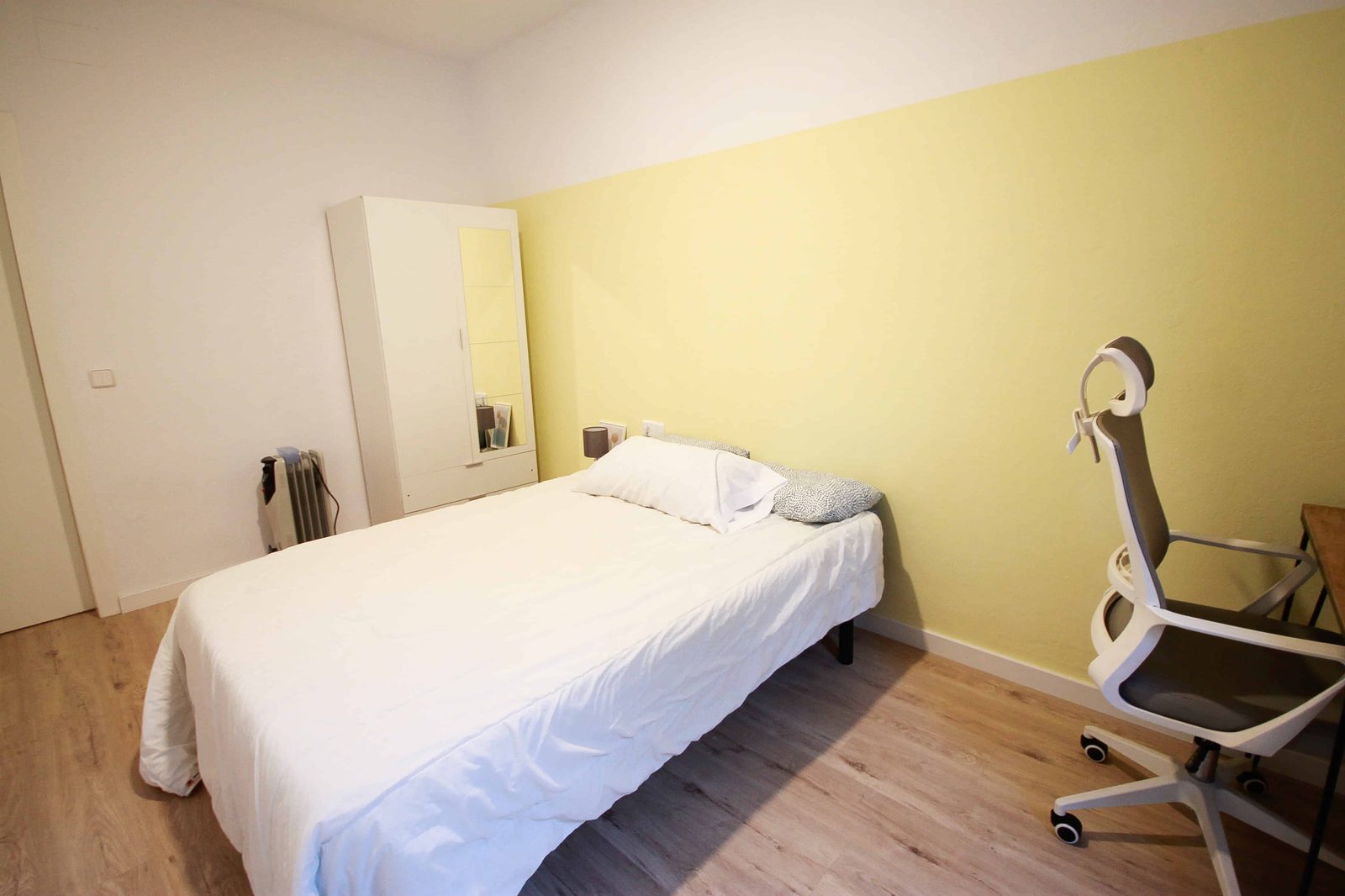
When planning your housing budget near Texas A&M, consider the following rough bands based on typical listings (all prices are indicative — confirm with the operator):
- Economy / Shared Room: $500–$700 per month per person. Usually a room in a 3–4 bedroom apartment or a house shared with other students. These units may be farther from campus or have older furnishings.
- Mid-Range / Private Room in Shared Unit: $700–$950 per month. A private bedroom in a 2–3 bedroom apartment, often within a 20-minute walk or short bus ride. Many include basic utilities.
- Upper Mid-Range / One-Bedroom or Studio: $950–$1,300 per month. More space and privacy, often in newer complexes near Northgate or along Texas Avenue. Some may offer amenities like a gym or pool.
- Premium / Luxury Apartments: $1,300+ per month for a one-bedroom or $2,000+ for a two-bedroom. Typically located very close to campus or in high-demand areas with premium finishes, concierge services, or included parking.
If you are budget-conscious, consider living with roommates in a shared apartment or house. Houses for rent near campus can sometimes be cheaper per person than apartment complexes, but they may require you to arrange utilities separately.
Walk vs. Transit: Deciding Where to Live
Texas A&M’s main campus spans roughly 5,200 acres, making it one of the largest in the country. Walking from one side to the other can take 30 minutes or more. Many students use bicycles, scooters, or the free Aggie Bus system to get around.
Living within walking distance (0–1 mile)
Pros: You can walk to classes, the library, and dining in 10–15 minutes. No need for a car or bus pass. Areas like Northgate and the blocks along University Drive are popular choices.
Cons: Rent tends to be higher. Noise from nightlife or traffic can be an issue, especially on weekend nights. Parking is scarce and expensive if you do own a car.
Living with a short bus or bike commute (1–3 miles)
Pros: Lower rent per square foot. Quieter neighborhoods. The Aggie Bus system provides free, frequent service covering most student areas. Biking is also efficient — the city has bike lanes on major roads.
Cons: You need to plan around bus schedules, especially late evenings. Biking in summer heat can be uncomfortable. You may need to budget for a bicycle or a bus pass (though the Aggie Bus is free for students).
Living further out (3+ miles and driving)
Pros: The cheapest rents are found in apartments along Wellborn Road or toward Bryan. You can often get more square footage for less money.
Cons: You will almost certainly need a car. Parking on campus costs money (permit or hourly rates) and spaces fill up quickly. Commuting adds time and fuel costs.
Trade-off summary:
- Walk = convenience + higher cost + possible noise
- Bus/Bike = moderate cost + moderate convenience
- Drive/car = lowest rent + highest time/transport cost
A Shortlist Logic for Choosing Your Residence
When you start viewing apartments or houses near Texas A&M, use the following logic to narrow down options. Do not rely solely on price — consider your daily routine, class schedule, and social needs.
Step 1: Define your commute threshold.
Decide the maximum time you are willing to travel from your front door to your first class. For most students, 15–20 minutes one-way is comfortable. Walkable options are ideal if you have early classes. If you prefer to sleep in, target residences within a 10-minute walk.
Step 2: Check the Aggie Bus route maps.
The university’s transportation website provides real-time bus tracking. Look for apartments that are on a bus line serving your main lecture halls. Avoid dead-end routes that require a transfer.
Step 3: Compare per-room pricing, not total rent.
If you plan to share, divide the total rent by the number of bedrooms to get a fair comparison. Note that some complexes offer individual leases (you only pay for your room), which can be more predictable than joint leases.
Step 4: Verify utilities and fees.
Ask whether water, electricity, internet, and parking are included. Also check for application fees, security deposits, and any mandatory renter’s insurance. Some “cheap” listings become expensive after adding all extras.
Step 5: Read reviews from current or past tenants.
Aside from the university reviews, look for tenant reviews on trusted platforms (but do not name specific websites in your guide). Patterns of complaints about maintenance, noise, or safety should be taken seriously.
Step 6: Visit the neighborhood at different times.
Drive or walk around the area during the day and at night. Check lighting, foot traffic, and how close you are to grocery stores, restaurants, and bus stops. A quiet street during the day might feel unsafe after dark.
Using this logic, you can build a shortlist of 3–5 properties that match your criteria. Then contact each leasing office to confirm availability, lease terms, and current rates. Remember that prices and availability change frequently — always confirm directly with the operator.
Frequently Asked Questions
What is the typical rent for a one-bedroom apartment near Texas A&M for the 2026–2027 school year?
For a one-bedroom or studio apartment within a comfortable walking distance (under 1 mile) of campus, expect $950–$1,300 per month (indicative — confirm with the operator). Slightly farther out with a bus commute, the range is $850–$1,100. Shared rooms in larger apartments can be $550–$750 per person. These are broad estimates; actual rents vary by property amenities, lease terms, and how early you sign.
Is it better to live on campus or off campus for a Texas A&M student?
On-campus housing offers convenience and a built-in community, but availability is limited and costs can be comparable to off-market apartments. Off-campus housing gives you more choices in price, size, and location. Many students prefer off-campus for greater independence and lower per-person costs. If you are an incoming freshman, on-campus residence halls may simplify your transition. For upperclassmen or graduate students, off-campus usually provides better value and flexibility. Review both options based on your priorities.
How reliable is public transportation from off-campus areas to Texas A&M?
The Aggie Bus system is free for all Texas A&M students and operates frequent routes throughout College Station and Bryan. Most student-populated neighborhoods are served by at least one route. Buses run from early morning until late evening, with reduced service on weekends. Wait times are typically 10–20 minutes during peak hours. For late-night study sessions, you may need a bicycle or ride-sharing. Overall, public transit is a reliable option for students living within a few miles of campus.
Data as of January 2026. All prices are indicative — confirm with the operator before making any decisions.
See also: listing details · browse more