Campus Reviews: What Students Say
Technische Universität Dortmund has a Google rating of 4.4 from 627 reviews, reflecting a generally positive experience among students and visitors. Several reviews highlight the university’s support for international students and the quality of its facilities.
One reviewer, FR Ishaqzai, gave a 5-star rating and noted: “TU Dortmund has very friendly staff for international students. They replied to my stupid questions with great patience and were always happy to guide and help me. My professor was also very kind. He helped me to come out of Afghanistan and, considered my application for a very good fellowship prog[ram].” This suggests the university places a strong emphasis on accessible support services, which can be particularly important for incoming international students navigating housing and enrolment for the first time.
Another reviewer, Sai Sunil Kota, who visited the Material Technology laboratory, wrote: “Very sophisticated equipments with good research facilities. Especially Coating machinery - Physical Vapour Deposition and Thermal Spraying. Just Loved TU Dortmund. My first ever sky train (H-Banh) experience..!” The mention of the H-Bahn – an elevated suspension railway on campus – is a notable transport feature that students living near the university will likely use regularly.
Massouma Qanbari described it as a “Big university with acceptable facilities.”, while Iman Bakkach expressed intention to study there, saying “As soon , I will come here to study , Because I like This University so much 🌺.” The campus environment appears welcoming, with modern labs and a compact layout that makes walking and the H-Bahn practical options.
The City of Dortmund
Dortmund is a city in the Ruhr region of North Rhine-Westphalia, Germany. Historically known for coal and steel industries, it has transformed into a centre for technology, culture, and higher education. The city has a population of around 590,000 and is the third-largest in the Ruhr area. For students, Dortmund offers a relatively affordable cost of living compared to other major German university cities such as Munich, Frankfurt, or even nearby Cologne.
The university campus is located in the Hombruch district in the south-west of the city, near the Westfalenpark and the Signal Iduna Park stadium. The area is predominantly residential, with student-friendly amenities including supermarkets, bakeries, and a few bars and restaurants. Public transport links to the city centre are good, with trams and buses connecting the campus to the Hauptbahnhof in about 15–20 minutes. The H-Bahn also runs within the campus, linking the main lecture halls, libraries, and the sports centre.
Budget Bands for Student Housing in Dortmund
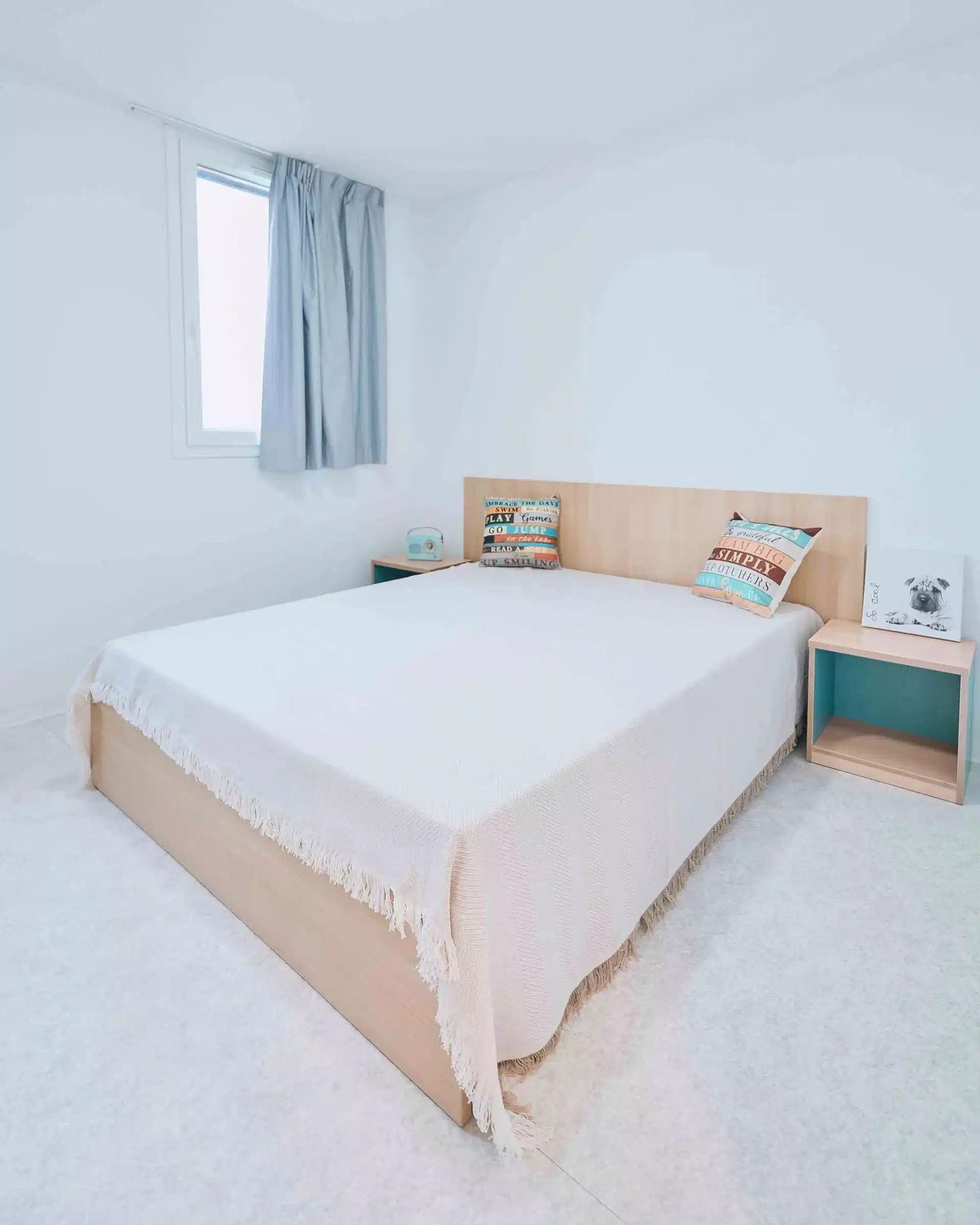
Student housing costs in Dortmund vary depending on whether you choose a shared apartment, a single studio, or a room in a student hall. Below are indicative monthly rent ranges for a typical student room in 2026–2027. All prices are indicative — confirm with the operator.
Low budget (€250–€380 per month)
Rooms in shared apartments (WG) in the Hombruch area or in older buildings close to campus. Utilities are often not included, so expect an extra €50–€80 for electricity, heating, and internet. Some student dormitories run by non-profit organisations also fall into this band, but availability is limited and waiting lists can be long.
Mid budget (€380–€500 per month)
This range covers well-equipped rooms in newer shared apartments, single studios in private purpose-built student accommodation, or rooms in private halls of residence. Many of these options include utilities and sometimes even internet in the rent. Locations within a 15-minute walk from the main campus are common.
High budget (€500–€700 per month)
One-bedroom apartments or premium studios with higher specifications. These are less common for students, but may be suitable for couples or those who prioritise space and privacy. They are often located in the city centre or in the student villages like Barop and Eichlinghofen, which are still well connected by tram and H-Bahn.
All these figures are subject to change; always check the exact contract terms and confirm with the landlord or operator before signing.
Walk vs Transit: Choosing Your Location
When deciding where to live near TU Dortmund, the main trade-off is between being within walking distance of campus and using public transport. The university’s main buildings are concentrated around the South Campus (Campus Süd) and the North Campus (Campus Nord), connected by the H-Bahn. A walk from one side to the other takes about 15–20 minutes.
Walking distance (0–2 km from campus)
Living in Hombruch, Barop, or Eichlinghofen means you can easily walk to most lecture halls, libraries, and the canteen. This saves time and money on transport. Many students choose these districts because they are quiet, residential, and have basic shops. However, rents in the core walking zone can be slightly higher, especially for larger apartments or newer buildings.
Transit-reliant (2–5 km from campus)
Areas such as the city centre, Kaiserviertel, or Hörde offer more lively surroundings with more restaurants, cultural facilities, and nightlife. A tram ride takes about 15–20 minutes to the university stop. The cost of a semester ticket (included in your student fees) covers unlimited travel on local trams, buses, and trains within the state of North Rhine-Westphalia. Thus, living further away does not add travel costs, but does add commute time – roughly 30–40 minutes door-to-door.
H-Bahn dependence
If you live near a station on the H-Bahn line (which runs between South and North Campus), you can use it daily for short transfers. However, the network is limited and does not extend beyond the campus itself. The H-Bahn is most useful for students whose accommodation is on one side of the campus but have lectures on the other.
How to Shortlist Your Near-Campus Housing
Since a long list of specific residential properties is not provided, the shortlisting process should focus on your personal priorities. Consider these steps:
- Set your budget range. Refer to the indicative bands above. Remember to add utilities if they are not included.
- Choose a preferred mode of commute. Decide whether you want to walk (0–15 minutes) or are comfortable with a 15–30 minute tram ride. If you plan to attend evening events or sports, a walkable location may be more convenient.
- Check transport links. If you opt for transit, ensure your chosen area has a direct tram or bus line to the university. The lines U41, U45, and U47 serve the campus, while buses 447 and 467 connect Hombruch and Barop.
- Read real reviews. Look for feedback from previous tenants about landlord responsiveness, cleanliness, noise levels, and the condition of the apartment. University forums and independent online portals often contain detailed reviews (without naming specific domains here).
- Check contract terms. Ensure you understand the notice period, whether utilities are capped or unlimited, and whether internet is included. Some cheaper rooms require you to organise your own internet.
- Visit in person or request a video tour. Pictures can be misleading. A live walk-through can reveal issues such as dampness or poor heating.
By applying these criteria, you can reduce a long list of available rooms to three or four that meet your needs. Always confirm the final price and terms directly with the landlord or operator before committing.
FAQ
1. Is it easy to find accommodation near TU Dortmund?
Availability varies by semester. There is strong demand for low-budget rooms, especially at the start of the winter semester (October). Many students secure housing through online student portals, private advertising boards, or the communal university housing office. It is advisable to start your search at least 2–3 months before your course begins. Temporary short-term housing (such as a hostel or a guest room) can be used while you look for a permanent place.
2. What is the typical cost of living for a student in Dortmund?
A single student typically needs around €750–€950 per month to cover rent (including utilities), food, transport, health insurance, and personal expenses. The largest share is rent, which generally accounts for €250–€500 depending on the type of accommodation. Compare this to larger German cities like Berlin or Munich, where the same budget may only cover limited options. Dortmund’s costs are considered moderate, and the mandatory semester ticket eliminates additional transport expenses within the state.
3. How is the public transport connection between the city centre and the campus?
The city centre (Hauptbahnhof, Wallring) is directly connected to the university by tram lines U41, U45, and U47, with a journey time of around 15 minutes to the “Dortmund Universität” stop. From there you can walk to most faculties or transfer to the H-Bahn. Buses also serve the campus from surrounding districts. The semester ticket covers all these services, so no extra fare is needed. Most students consider the connection reliable and frequent during lecture hours.
Data sourced from student reviews, university records, and local housing market estimates. Prices and availability are indicative — always confirm with the operator. Information accurate as of 2026.
See also: listing details · browse more