What Campus Reviews Reveal About Rensselaer Polytechnic Institute
Rensselaer Polytechnic Institute (RPI) is a private STEM-focused university located at 110 8th St, Troy, NY 12180. On Google, the campus earns an overall rating of 4.4 out of 5 based on 342 reviews – a score that masks a sharp divide in student and visitor opinion. Reading between the lines, prospective students and their families should pay close attention to the lived experiences shared online.
One recent review from a parent, Rick Tedaldi, gave 5 stars and noted: “My son just graduated here with dual major compsci/ITWS. Challenging workload (so Im told).” That praise echoes a common theme: RPI’s STEM programs are rigorous and respected. Another current student, Trevor B, wrote five years ago: “I go here so I’m obligated to give it a 5 star review. This is a very good STEM school, but if you want to go here for a non-STEM major, you may want to reconsider, since the best courses and professors here are in STEM. This college is also very expensive, so apply for financial aid!”
However, not all feedback is positive. A visitor, Joseph Del Sole, rated the school 2 stars after a tour: “During a tour a student walked past and whispered ‘don’t do it – run away’. Could have been an outlier. Could have been a bad joke. Unfortunately, everything about this tour suggested that maybe this one hushed warning was the most informative thing we learned. Definitely concerns with how this scho[ol]” And a former student, R Y, gave 1 star: “0 star if possible. Shirley Ann Jackson was the worst president and the administration could not be any worse. Very expensive, professor smart but doesn’t know how to teach (at least for my major), doesn’t care about students mental health, arch program is a scam, troy is a pothole, reconsider your [options].”
These reviews highlight two tensions: RPI’s academic strengths in engineering and computer science are real, but institutional culture, cost, and location divide opinion. For anyone searching for housing near RPI, understanding the local city context and the practical trade-offs of where to live is essential.
The City of Troy: A Compact Urban Setting
Troy is a small city in New York’s Capital District, situated on the eastern bank of the Hudson River. The university sits near the downtown area, within walking distance of many residential blocks, shops, and restaurants. The city’s population is around 50,000, and it has a mix of historic row houses, apartment buildings, and newer student-oriented complexes.
A few key characteristics:
- Walkability: The core of Troy is compact. The downtown area and the RPI campus are close enough that many students can walk to class in under 20 minutes.
- Transit: The Capital District Transportation Authority (CDTA) runs bus routes that connect Troy to Albany, Rensselaer, and other suburbs. A student bus pass may be included in campus fees or available at a reduced rate.
- Cost of living: Troy is generally more affordable than nearby Albany or Saratoga Springs, but rental prices have risen in recent years due to demand from students and young professionals.
- Local amenities: Grocery stores, cafes, and entertainment venues are within walking distance of campus. The city also has a farmers market, parks, and a revitalized riverfront.
When choosing housing, students balance proximity to campus, price, and the quality of the building. The two residences listed as examples in the area – The Pointe At Troy and Incite at Troy – represent typical options for those seeking purpose-built student accommodation.
Budget Bands for Student Housing in Troy
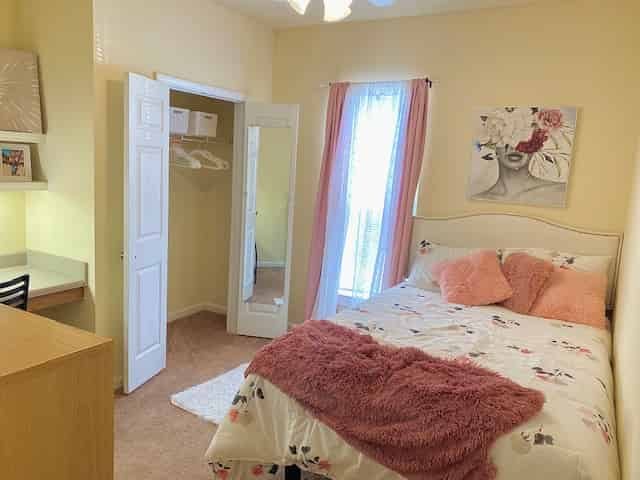
Based on available data, the indicative starting price for student housing near RPI is 575 USD per week. That figure is indicative and must be confirmed with the operator. It typically covers a private bedroom in a shared apartment or studio in a managed complex. Actual rents vary by:
- Room type: Private studio vs. shared apartment with individual leases.
- Building amenities: On-site fitness, study rooms, social spaces.
- Inclusions: Some properties include utilities (water, electricity, internet) in the rent; others charge separately.
- Lease length: Most student leases run 12 months (August to July), but some offer shorter terms.
A rough budget framework (all indicative – confirm with operator):
- Low end ($575 – $650 per week): Shared apartment, basic amenities, possibly older building.
- Mid range ($650 – $800 per week): Private room in a newer complex with gym and common areas.
- High end ($800+ per week): Studio or one-bedroom, premium location, full utilities included.
These numbers are for managed student housing. Renting a room in a private house or apartment off-campus can be cheaper (sometimes $400–$600 per week for a shared house), but requires a separate lease and may not include furnishings or roommate matching.
Walking vs Transit Trade-Off for RPI Students
For students living close to campus – within a 15-minute walk – the main advantage is time saved and the ability to go home for meals or study breaks. Many of the residences in the downtown Troy area or along the hill leading to campus are walkable.
If you choose to live farther out, such as near the Pointe At Troy or Incite at Troy (both located within a short drive or bike ride), you will rely on one of these options:
- Walking: The two sample residences are within roughly 1–2 miles of campus, which is a 20–30 minute walk. Doable in good weather, but less convenient in snow or rain.
- Biking: Many students use bicycles. Troy is relatively flat near downtown, but the hill to campus can be steep. Bike storage is available in most complexes.
- Bus: CDTA routes 22 and 87 serve the area. A student pass (if purchased) reduces transit cost to zero per ride. Buses run every 15–30 minutes during peak hours.
- Car: Parking on campus is limited and expensive. On-street parking in Troy requires a city permit. Most students do not bring a car unless they have off-street parking.
The trade-off comes down to cost vs. convenience. A cheaper apartment a bit farther from campus may require a bus or bike ride. A more expensive, walkable apartment reduces transit time and expense but strains your budget.
Shortlist Logic for Two Nearby Residences
When evaluating student housing options, you can use the following criteria to build a shortlist. Here are two sample properties in Troy that illustrate typical trade-offs.
The Pointe At Troy
This is a purpose-built student community offering furnished apartments, individual leases, and amenities such as a fitness center, study lounges, and a pool. It is located about 1.5 miles from the RPI campus – a 30-minute walk or 5-minute drive. Residents typically sign 12-month leases. Pricing starts at an indicative 575 USD per week (confirm with the operator). It is a strong option for students who want a managed, all-inclusive living experience with roommate matching.
Incite at Troy
Also a student-oriented complex, Incite at Troy offers similar features: furnished units, on-site management, and common spaces. Its distance to campus is comparable – roughly 1.2 miles. Pricing is in the same range (indicative – confirm with the operator). Some units may include utilities in the rent. It appeals to students who want a quiet, secure environment with social events organized by management.
When shortlisting, consider:
- Lease terms: Both properties typically require a full academic year lease. If you need a shorter term, check availability.
- Inclusions: Confirm whether electricity, water, and internet are extra. Some student complexes bundle these into the weekly rate.
- Distance to class: Measure walking and bus time during your campus visit.
- Roommate matching: Both properties can place you with other RPI students, which may reduce stress of finding housemates.
A practical approach is to visit both properties, compare the actual offered price (confirmed by the operator), and then decide based on your budget and preferred lifestyle.
Frequently Asked Questions
1. How far are The Pointe At Troy and Incite at Troy from RPI campus?
Both properties are within 1.2 to 1.5 miles of the university. Depending on your walking speed, that’s a 20–30 minute walk. There is also a CDTA bus stop nearby that takes 10–15 minutes to campus. The exact distance and transit options should be confirmed with the operator when you inquire.
2. What is the typical lease duration for these residences?
Most student-oriented apartment complexes in Troy offer 12-month leases that run from August through July. Some may offer shorter options (e.g., 9 months) at a higher weekly rate. Always confirm the lease length directly with the property management before signing.
3. Are utilities included in the indicative weekly rent of 575 USD?
Inclusion varies by property and by unit. Some all-inclusive complexes bundle water, electricity, internet, and trash into the weekly price. Others charge utilities separately based on usage. You must ask the operator for a full breakdown of what is covered in the quoted figure. Do not assume any services are included without written confirmation.
Data as of 2026.
See also: listing details · browse more