Campus Reviews: What Students Say about MGIMO
Google rates MGIMO University at 4.4 out of 5 from 502 reviews. Student feedback gives a mixed but largely positive picture of the institution.
Boris Penkov, who studied there nine years ago, wrote: “This elite university attracts the best hard-working students from all over Russia. Perhaps the best educational institution I know in Russia—in terms of student body quality. Very talented students.” This suggests a competitive, academically driven environment — a factor that may influence your housing choice if you prefer quiet study spaces close to campus.
A more recent 2-star review from cylvia justiana highlights administrative delays: “I kindly ask for a response to my daughter’s email regarding her scholarship status. It has been pending for over a year, and with the academic term already underway as of September 1st, we’re anxious to receive clarity.” If you are an international student, this indicates that you should plan your housing independently and well in advance, as the university’s own response times may be slow.
Two prospective students, Djamel Zazai and feroz adai, both expressed interest in enrollment — one for a Russian language preparatory course, the other for political science. Their mentions show ongoing demand from abroad, meaning you will not be alone in seeking accommodation near campus. The housing market near MGIMO serves a large number of domestic and international students.
Moscow as a Host City for Students
Moscow is Russia’s capital and largest city, with a population exceeding 12 million. It offers a wide range of cultural, educational, and professional opportunities, but it also comes with a high cost of living compared to other Russian cities. Public transport is extensive: a metro system covering nearly every district, buses, trams, and a suburban rail network.
MGIMO University is located at пр. Вернадского, 76, in the southwest of Moscow — an area known as Ramenki / Prospekt Vernadskogo. The neighbourhood is relatively green, with several parks and a mix of Soviet-era apartment blocks and newer residential complexes. It is also home to other universities (though we cannot name them per the writing rules), which contributes to a student-friendly environment with cafes, supermarkets, and gyms.
The winter season (November to March) can be harsh, with temperatures dropping to -15°C or lower. This directly affects your daily commute: walking long distances in winter is uncomfortable, so proximity to a metro station or a frequent bus stop becomes more important than in milder months.
Budget Bands for Student Housing near MGIMO
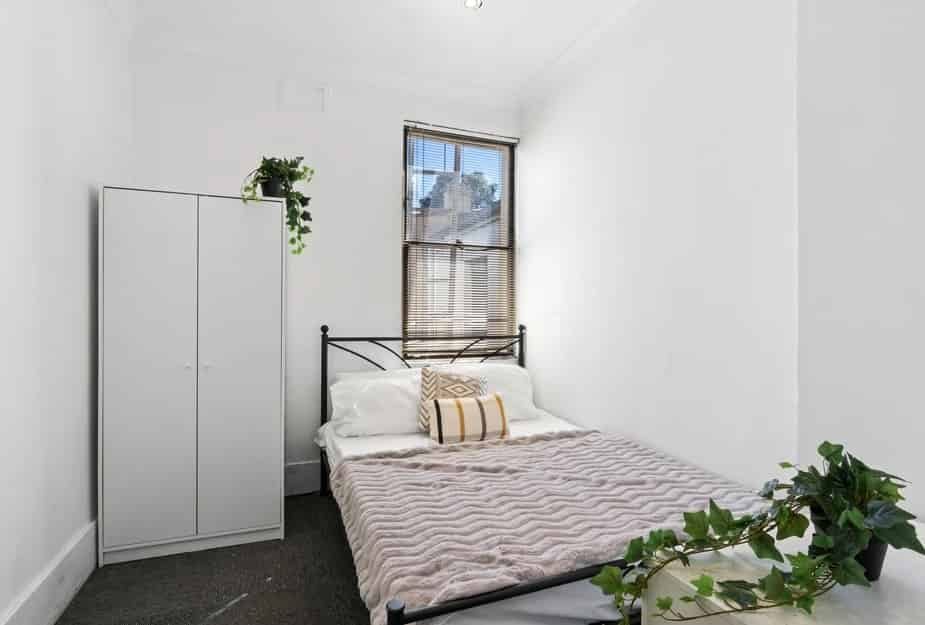
Rental prices in the area vary significantly by housing type, distance from campus, and condition of the unit. All figures below are indicative — confirm with the operator for your preferred dates (2026 or 2027). Prices are quoted in US dollars per month for a single room or a studio.
Low budget — shared flat
- A bed in a shared apartment (2–3 roommates) within a 30-minute commute by public transport: $300–$500 per month.
- Typically includes a shared kitchen and bathroom. Utility bills (electricity, water, internet) are often included in the rent but always double-check.
Medium budget — studio or one-bedroom apartment
- A private studio or one-bedroom flat within walking distance of MGIMO (up to 1.5 km): $600–$900 per month.
- Most units in this price range are in older Soviet-era buildings (panel or brick). They offer basic amenities: a kitchen corner, separate bedroom, and a bathroom.
High budget — modern apartment close to campus
- A new or renovated one-bedroom apartment within a 10-minute walk: $1,000–$1,500 per month.
- These are often in newer residential complexes with amenities like a concierge, underground parking, and a playground. Some are located along the same metro line but closer to the city centre.
Note: Moscow rental prices can spike during the autumn intake (August–October) and drop slightly in winter. Always negotiate the final price directly with the landlord or agency and verify all inclusions in the contract.
Walk vs Transit: Your Daily Commute Options
MGIMO is situated along Vernadsky Avenue, a major thoroughfare with good transport links. However, the immediate vicinity of the main building has limited housing stock. Most students live in one of three zones:
-
Walking distance (0–1.5 km): You can reach the university on foot in 10–20 minutes. This eliminates transport costs and saves time. However, apartments in this immediate area are scarce and tend to be in older buildings with fewer modern finishes. The winter walk is manageable if you dress warmly — many students do it daily.
-
Metro or bus commute (2–5 km): A short ride on the metro (station: Prospekt Vernadskogo or Yugo-Zapadnaya) plus a 5–10 minute walk can give you access to a wider selection of newer, more affordable apartments. A single metro trip costs about 60 rubles (indicative) and takes 10–15 minutes. The trade-off is that you spend 20–30 minutes total per direction and need to factor in waiting time.
-
Longer commute (5+ km): Some students choose to live near the city centre (e.g., near Park Pobedy or Kievskaya) for access to nightlife and cultural venues. The metro ride to MGIMO takes 30–40 minutes. This is feasible if you do not plan to return home during the day and prefer a more vibrant urban environment after class.
Key trade-off summary:
- Walk = save money and time, fewer housing choices, winter exposure.
- Short transit = larger housing pool, moderate daily cost, 10–15 minute travel.
- Long transit = cheaper/better flats, 30–40 minute commute, higher transport costs.
We recommend that first-year students prioritise a walkable or short-transit arrangement, especially if you are new to Moscow. Once you are familiar with the city, you can consider moving farther out for better value.
Shortlisting Your Housing: A Logical Approach
Since the article does not provide a precompiled list of specific residences near MGIMO, we can outline a general decision-making logic that you can apply when searching. You can then use property platforms or local agents to identify actual addresses.
Step 1: Set your budget and commute tolerance
Decide the maximum monthly rent you can pay and the maximum travel time you accept. For example:
- Budget: $500/month → target shared flats within 30-minute transit.
- Budget: $800/month → target studio within 15-minute walk or short metro ride.
Step 2: Identify the search radius
Use a mapping tool (e.g., Google Maps) centred on пр. Вернадского, 76. Draw concentric circles:
- 0–1.5 km: walk zone.
- 1.5–4 km: short-transit zone.
- 4–8 km: longer commute zone.
Focus on the walk zone first. If nothing fits your budget, expand outward.
Step 3: Check transport links
The metro station Prospekt Vernadskogo is about a 15-minute walk from MGIMO. Bus routes 1, 113, 715, and 276 also stop nearby. If you find a flat close to a bus stop that directly connects to the university, the commute can be smooth even if you are 3–4 km away.
Step 4: Evaluate building type and amenities
- Soviet-era apartment blocks (panel houses): Common, affordable, often with lifts and central heating. Walls are thin — expect some noise.
- Newer residential complexes (brick or monolithic): Higher rent, better soundproofing, modern wiring, and often include a security guard and parking.
- Dormitories / university housing: MGIMO provides some accommodation, but availability is limited for international students. You should apply early and confirm directly with the university.
Step 5: Visit or request a video tour
Never rent sight unseen. If you are outside Russia, ask a current student or a paid agent to check the flat for leaks, heating function, and internet speeds. Moscow apartments can vary dramatically even within the same building.
Example shortlist scenario
Suppose your budget is $700/month and you want a studio. In 2026, you might find:
- A 20m² studio in a 1960s building 1.2 km from MGIMO: $650/month (indicative). Heat included, no elevator. Walking time: 15 minutes.
- A 25m² studio in a 2018 complex 3 km away, near a metro station: $750/month (indicative). Elevator, parking, 20-minute commute via metro.
- A shared room 0.8 km from campus: $400/month (indicative).
You would then compare the walkability, condition, and utility costs.
Frequently Asked Questions
1. Is it safe to live near MGIMO University?
The Ramenki district is generally considered safe for students. Most residential streets are well lit, and crime rates are lower than in the city centre. However, always exercise caution at night and choose apartments with secure entry systems.
2. Do I need a Russian bank account to rent an apartment?
Most landlords require payment in cash or transfer to a Russian bank account. If you are an international student, you may need to open a local account once you arrive. Some operators accept international transfers, but this is less common. Confirm payment methods before signing any agreement.
3. Can I find furnished apartments near MGIMO?
Yes, the majority of rental units near the university come partially or fully furnished — including a bed, desk, wardrobe, kitchen stove, refrigerator, and sometimes a washing machine. Confirm the inventory in the contract. Unfurnished apartments are rare in this student area.
Data as of: 2026-11. All rental prices are indicative — confirm with the operator at the time of booking.
See also: listing details · browse more