What Student Reviews Reveal About Kyushu University’s Campuses
Kyushu University (ranked 170 in the QS World University Rankings) has multiple campuses in Fukuoka City, with the largest being the Ito Campus. Reviews consistently highlight its setting and facilities, though the location comes with trade-offs.
Jho Celero wrote: “Ito Campus is lovely. Tucked in the middle of mountains and fields, the university has great modern architectural buildings to be proud of. It’s been raining these past few days and had it not been the case, I would have enjoyed walking around its premises.”
Michi T added: “Kyushu University Ito Campus is one of their 3-4 campuses in Fukuoka city and is the largest of them all. It is located far away from central part of Fukuoka, so it is quite inconvenient in terms of getting around, but the facilities are top-notch. There are bus lines connecting directly from/to Hakata.”
The ExplorerJp noted: “Kyushu university Ito campus is one of the largest university in Japan. The environment is really good for research. English in Japanese are the language that commonly be used by people here.”
Diego Mendoza Flores shared: “The best University in Japan. I had the opportunity to arrive to this wonderful place a month ago. I will graduate as a PhD in a few years. Let the adventure begins.”
The overall Google rating is 4.2 (based on 489 reviews). The key takeaway for housing: Ito Campus is isolated and bus-dependent. Students who prioritise modern facilities and a quiet study environment will enjoy it if they are okay with a longer commute and limited nearby amenities. Those who prefer city life may want to live closer to central Fukuoka and take the bus to campus.
Fukuoka as a Student City: Cost of Living and Lifestyle
Fukuoka is Japan’s sixth-largest city, known for its port, food culture, and relatively relaxed pace compared to Tokyo or Osaka. It is also more affordable than the major metro areas. However, because Ito Campus is located in the western part of the city (in the Nishi Ward), the cost of housing near campus tends to be lower than in central districts like Tenjin or Hakata. The trade-off is a longer travel time to shops, restaurants, and entertainment.
For students on a budget, living close to Ito Campus can reduce transport expenses, but you may need to rely on a bicycle for groceries and daily errands. For those who prefer urban convenience, living near a bus stop along the direct route to Hakata or along the subway line (which extends to nearby stations) can offer a good balance. Monthly bus passes are common, and the university operates shuttle services for staff and students, but schedules can be limited on weekends and holidays.
Since specific rent figures are not provided in the available data, students should check with local housing operators for current pricing. As a general reference, a typical private apartment (1K or studio) in the area around Ito Campus may range from about 40,000 to 70,000 JPY per month (indicative — confirm with the operator). Shared houses and university-managed dormitories can be cheaper, while apartments closer to central Fukuoka can exceed 80,000 JPY. Always verify actual rates directly with the landlord or management company.
Walk vs. Transit: Deciding Where to Live
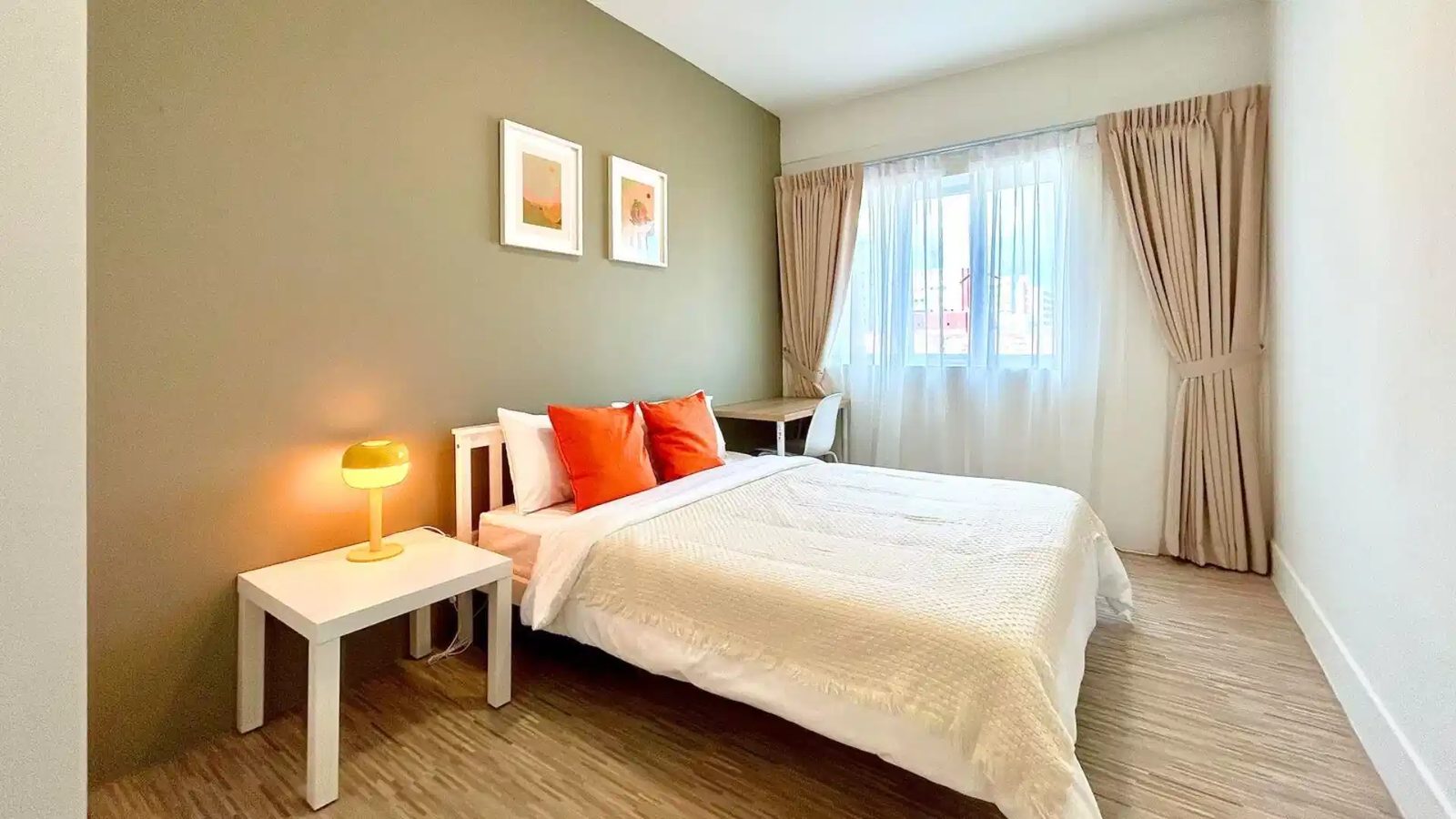
The biggest housing decision for a Kyushu University student is whether to live within walking distance of Ito Campus or to rely on public transit.
Walking distance (on-campus or within 1–2 km): The university provides some dormitories on the Ito Campus itself. These are often the most convenient option for first-year students or those who want to minimise daily travel. However, demand is high, and application deadlines are usually early. Off-campus apartments within walking distance are limited because the campus is surrounded by fields and mountains. Those that exist are mainly in small residential clusters along the main road. A bicycle extends your effective walking range, and many students cycle from nearby neighbourhoods.
Transit commute (bus or a combination of bus and subway): Most students who do not secure on-campus housing live along the bus routes that connect Ito Campus to Hakata Station, Tenjin, and other major hubs. Direct buses from Hakata take roughly 30–40 minutes depending on traffic. The university also runs a campus shuttle to a nearby subway station (e.g., Meinohama), which can be useful for accessing the city center. Living near a bus stop means you can enjoy a wider range of housing options in areas with supermarkets, convenience stores, and restaurants. The trade-off is the time and cost of commuting. Many students buy a monthly bus pass; the fare from central Fukuoka to Ito Campus is around 600 JPY one way (indicative — confirm with the operator).
Which is better? It depends on your priorities. If you value a short commute and a quiet environment, aim for on-campus dormitories or a rental within cycling distance. If you want a vibrant social life and access to part-time jobs, live along the bus corridor — just be prepared for a daily commute.
How to Shortlist Housing Options Near Ito Campus
Because no specific residence list is provided in the available data, the following framework can help you evaluate any housing option you find through official channels or housing agencies. Use this logic when reviewing apartments, share houses, or dormitories.
-
Distance to campus and transport link. Is the property within a 20-minute walk or a short bike ride to a lecture building? If not, what is the nearest bus stop, and how frequent are the buses? Check the bus timetable for evenings and weekends — some lines have reduced service.
-
Proximity to daily necessities. Are there supermarkets, convenience stores, pharmacies, and laundry facilities within walking distance? Many properties near Ito Campus are on narrow roads with few shops; you may need to travel to a small shopping area in Maedashi or take a bus to bigger stores.
-
Utilities and contract terms. Japanese rental contracts often require key money, a deposit, and a guarantor. Some properties accept foreign students with a guarantor service. Check if utilities (gas, electricity, water) are included or separate. Also confirm the minimum lease period — usually one or two years — and whether there is a penalty for early termination.
-
Cost breakdown. Compare the total monthly cost: rent + service fees + utilities + commuting expenses. A cheaper rent in a remote area may be offset by higher transport costs. Conversely, a slightly higher rent near a direct bus stop might actually save time and money.
-
Reviews and inspections. If possible, visit the property before signing. Talk to current tenants or search for reviews about the building or management company. Pay attention to noise, internet quality, and cleanliness of common areas in share houses.
-
Student support. The university’s International Student Office can sometimes provide a list of approved housing options or connect you with local real estate agents who have experience dealing with international students. This is often the safest starting point.
Using this checklist, you can systematically shortlist 3–5 candidates and then decide based on your personal budget and lifestyle preferences.
Frequently Asked Questions (FAQ)
1. Is it better to live on campus or in the city if I am an international student?
Living on campus (in a university dormitory) is the easiest way to settle in, especially during your first semester. You will be close to classes and have immediate access to student services. However, spots are limited; many international students end up in private apartments near bus routes. If you prefer a lively social environment and more shopping choices, living in Tenjin or Hakata and commuting is a popular option.
2. How much does a monthly bus pass from central Fukuoka to Ito Campus cost?
A standard monthly bus pass for the route between Hakata and Ito Campus is approximately 13,000–15,000 JPY (indicative — confirm with the operator). Many students also use a prepaid IC card for flexible travel. The university also operates a shuttle bus for staff and enrolled students; check the current schedule and eligibility on the university’s official transport page (not linked here, as per guidelines).
3. Are there supermarkets and restaurants near Ito Campus?
There is a small shopping area (including a supermarket, a convenience store, and a few eateries) within a 15-minute walk of the main gate. However, for a larger selection, students commonly take a bus to nearby commercial districts such as Maedashi or the Aeon Mall in Nishi Ward. Most residents living on campus rely on weekly bulk shopping trips and use bicycle or bus to carry groceries.
Information compiled for the 2026–2027 academic year. Prices are indicative — confirm with the operator before making any commitments.
See also: listing details · browse more