Housing Near Kyung Hee University: What Campus Reviews Reveal
Kyung Hee University sits in Seoul’s Dongdaemun District, about 2 km from the nearest subway station. The campus itself draws consistent praise for its architecture and seasonal beauty, but the location has practical implications for where students choose to live. The following guide uses student reviews, city context, and a shortlist logic to help you evaluate housing options for the 2026‑2027 academic year.
What Reviews Tell Us About the Campus and Its Setting
Current and former students highlight the university’s visual appeal as a major draw. Julius Tan, writing two months ago, gave the campus five stars and said:
“Kyung Hee University is probably the most beautiful campus I’ve seen in Seoul, especially during cherry blossom season. Even if you aren’t a student, it’s worth the visit just for the architecture. The buildings are massive and magnificent, especially the Grand Peace Palace which looks more like a [palace].”
Deon Lim added a month ago:
“The iconic kdrama university location, missed the cherry blossom period but it’s still majestic. Worth a visit!”
Linh, writing 12 months ago, gave a more practical observation:
“One of the most beautiful university campus in Seoul, especially in spring. Not too large, just need 1 hour to walk around. Nearest subway station is 2km away, better take a bus.”
Thúy Nguyễn, two years ago, summed up the feeling many visitors share:
“I cannot believe there is such a majestic place in Seoul. It took me more than one hour to get here by bus, but once again the scenery worth it. The place itself is a university but to me it’s more like a royal palace.”
The takeaway for housing: the campus is gorgeous but not right on a metro line. Students who prioritise walking to class will need to look at properties within a 1–2 km radius, which may be in quieter residential streets. Those who rely on Seoul’s subway can live farther out and use the bus connection, but should factor in an extra 10–15 minutes each way.
City Context: Seoul and the Dongdaemun Area
Seoul is a large, transit‑oriented city. Kyung Hee University is located in the north‑eastern part of the city, near the boundary between Dongdaemun‑gu and Seongbuk‑gu. The area is a mix of older low‑rise housing, small shops, and student‑oriented eateries. Unlike Hongdae or Gangnam, this district has a quieter, more local feel. The nearest major subway stations are Hoegi (Line 1) and Hankuk University of Foreign Studies (Line 1), both roughly 2 km from the main gate. Several bus lines run along Kyungheedae‑ro, connecting the campus to these stations and to central Seoul.
Because the campus is not inside a dense nightlife zone, students may prefer to live near the university to minimise commute time, or to live in more central areas like Sinchon or Jongno and accept a longer bus‑subway‑walk journey.
Budget Bands
Rents in Seoul vary widely depending on room type, deposit structure (often called jeonse or monthly rent), and distance from campus. For the 2026–2027 academic year, indicative monthly rents for a single student near Kyung Hee University typically fall into three bands. All figures are indicative — confirm with the operator.
- Shared rooms (2–4 people): lower monthly cost, smaller private space. Common in older multi‑room apartments or goshiwons (small study rooms with shared facilities). Deposit tends to be lower.
- Studio / one‑room (private): higher rent, but includes a private bathroom and kitchenette. Buildings near the campus are often older and may require a deposit of several million KRW (refundable). Monthly rent is moderate compared to Gangnam.
- Short‑term / serviced residences: higher monthly cost, but furnished and often include utilities. Suitable for exchange students staying one semester.
Because exact numbers depend on the property, building age, and contract length, always request a detailed cost breakdown and confirm the deposit structure before signing.
Walk versus Transit Trade‑Off
The biggest decision when choosing housing near Kyung Hee University is whether you prioritise walking to campus or access to the subway network.
- Walk‑only zone (0–1.5 km from campus): You can reach the main gate in 5–20 minutes on foot. This eliminates bus reliance and gives you flexibility for late‑night study sessions. The trade‑off is that housing in this immediate vicinity is mostly older apartments and private houses; newer purpose‑built student residences are scarce. Restaurants and convenience stores are plentiful but the nightlife options are limited.
- Short bus ride + walk (near Hoegi or Hankuk University of Foreign Studies stations): Living within 300 m of a subway station gives you quick access to the rest of Seoul. The bus from the station to campus runs every 5–10 minutes and takes about 10 minutes. Students who enjoy exploring the city often choose this option. The downside is the daily waiting time and the extra cost of bus fare (about 1,200 KRW per ride, or use a transit pass).
- Longer commute from central Seoul: Some students prefer to live in areas like Sinchon or near Hongik University for the social scene. The commute to Kyung Hee University then involves a subway ride (30–40 minutes) plus a bus. This works well if you have few early morning classes.
Reviewer Linh’s comment — “Nearest subway station is 2km away, better take a bus” — is a honest summary of the access situation. If you dislike waiting for buses, prioritise the walk‑only radius.
Shortlist Logic: How to Choose Among Nearby Residences
To build a shortlist of housing options (for 2026 or 2027), follow this logic using the university’s location and the feedback above.
Step 1: Define your top priority
- If you value commute time above all else, filter for properties within 1 km of the campus entrance. Use map services to check walking distance to the main gate (26 Kyungheedae‑ro).
- If you value being on the subway line for city access, filter for properties within 300 m of Hoegi or Hankuk University of Foreign Studies stations. Note that these are on Line 1, which runs through Seoul Station and central areas.
- If you want a blend, look for places between the campus and the station (the 2‑km corridor along Kyungheedae‑ro). You can walk to campus in 20–25 minutes and also walk to the subway.
Step 2: Check building type and contract terms
Many buildings near the university are older multi‑household dwellings (villas) or small apartment blocks. Purpose‑built officetels (studio apartments with a small kitchen) exist along the main road. Verify:
- Monthly rent and deposit amount (be sure it is refundable and written in the contract).
- Utilities included or separate.
- Internet / cable provision.
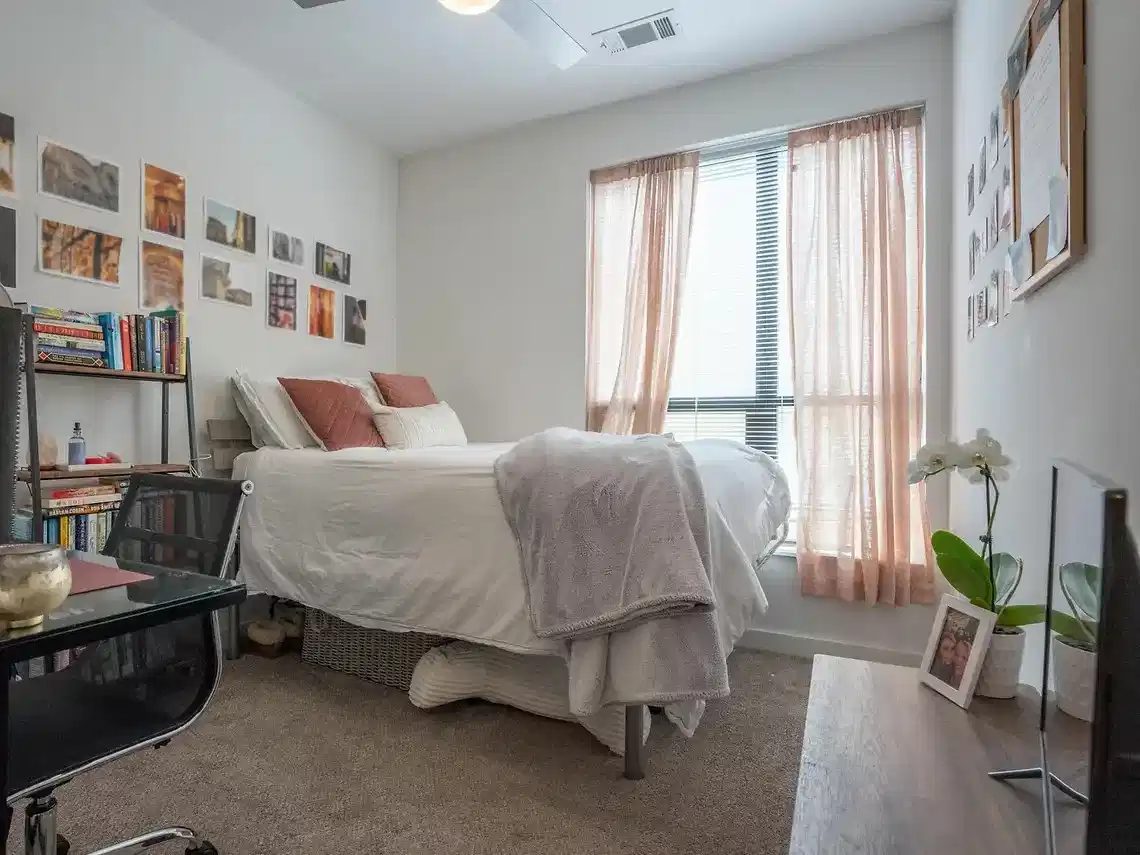
- Whether the room has a window (some basement rooms are common and cheaper but lack natural light).
Step 3: Read recent reviews of the residence
While this guide cannot list specific residence names, you can look for online reviews from former tenants. Pay attention to mentions of noise, heating/cooling, management responsiveness, and security. If possible, visit the building in person before signing.
Step 4: Compare the total monthly cost
Add rent + estimated utilities + transportation cost. For example, a studio 2 km from campus costing ₩500,000/month plus ₩30,000 in bus fare may be cheaper overall than a room near the campus gate costing ₩600,000 but saving the bus fare. Always ask the operator for a written breakdown.
Step 5: Confirm availability for your term
Kyung Hee University typically has semesters starting in March and September. Exchange and international students often need to secure housing before arriving, so start your search at least eight weeks before the semester begins. Some residences offer 6‑month or 1‑year contracts; others allow month‑to‑month extensions.
Frequently Asked Questions
1. Is it better to live near the subway or near the campus?
It depends on your lifestyle. If you plan to spend most of your time studying on campus and don’t go out often, living within walking distance (≤1.5 km) saves time and money on bus fare. If you want to explore Seoul, attend events, or work a part‑time job outside the Dongdaemun area, living near Hoegi or Hankuk University of Foreign Studies station gives you faster access to the rest of the city. Keep in mind that the nearest subway station is about 2 km from the main gate, so a bus or bicycle is necessary if you choose the subway‑adjacent option.
2. How much should I budget for housing for the 2026–2027 academic year?
Indicative monthly rents vary. Shared rooms in older buildings near campus can start from around ₩300,000–400,000. A private studio typically ranges from ₩500,000 to ₩800,000. Additionally, most contracts require a refundable deposit (₩1,000,000–10,000,000 depending on the property). Always confirm the exact rent and deposit with the operator, and check whether utility costs (electricity, water, gas, internet) are included or billed separately.
3. Are there any specific areas to avoid when looking for housing near Kyung Hee University?
The immediate vicinity of the university is generally safe and residential. No areas are known to be dangerous. However, some older buildings may have maintenance issues such as poor insulation or outdated electrical wiring. Always inspect the room in person if possible, and ask about the age of the building. Basement rooms (especially in low‑lying areas) may have dampness or limited natural light. If you are looking at a property advertised as “within 10 minutes walk,” verify the walking distance on a map — some listings exaggerate.
Data based on public reviews and campus information as of 2026. Prices are indicative — confirm with the operator before committing to any contract.
See also: listing details · browse more