What Campus Reviews Reveal
KTH Royal Institute of Technology, ranked 78th globally (QS 2025), is located at Brinellvägen 8 in central Stockholm. Its Google rating of 4.6 from 615 reviews suggests a high level of satisfaction among visitors and students, but the comments also offer a nuanced picture.
One reviewer, “Wanderlust,” gave the campus 5 stars: “A very beautiful university campus with stunning buildings—I really love this architectural style. The area is surrounded by greenery and trees, creating a calm and pleasant atmosphere. It’s also very convenient for students to get around.” This reflects the campus’s architecture and green surroundings, but also hints at the importance of location: “convenient to get around” matters for housing choices.
Another 5-star reviewer, “Milena Morales,” described a favorite shopping spot for discounted clothing – while not directly about campus, it shows that students appreciate accessible amenities. A critical 1-star review from “Richard Sandström” notes: “As a organization when they are out eating or in groups they are some of the worst customers and representatives for the school. I believe it’s a good school and they do great stuff but when you are out and are booking with the KTH name you should behave with manors.” This is about behaviour off campus, reminding prospective students that reputation extends beyond the classroom. Finally, “Bast” gave 4 stars: “I really like this campus. Super cool library. I hope i can get a chance one day to study here. I came here on the open lab day. I am not sure about the academic side of this place, but the beautiful campus itself already worth a visit! you wont regret!” The library and campus aesthetics are clearly strong assets.
What do these reviews tell a prospective student about housing? The campus is in a calm, green area that is “convenient for students to get around.” That means both walking and public transport options exist. The negative review about behaviour outside campus suggests that some social areas near KTH might be frequented by students, so living nearby could mean encountering student groups – a factor to consider if you prefer quiet.
Stockholm as a Student City
Stockholm, Sweden’s capital, is built on 14 islands connected by bridges. KTH’s main campus is in Östermalm, a district known for parks, embassies, and upscale housing. The city has a reliable public transport system (Tunnelbana metro, buses, trams) and a high cost of living. Student housing demand exceeds supply, especially in central areas. Many students start looking 6–12 months before their programme begins.
The city’s size (population ~1 million in the urban area) means you can live in a range of neighbourhoods: from dense central districts to quieter suburban areas with longer commutes. KTH also has satellite campuses (not covered in this guide), but the main campus is the hub for most engineering and architecture students.
Understanding Budget Bands for Student Housing
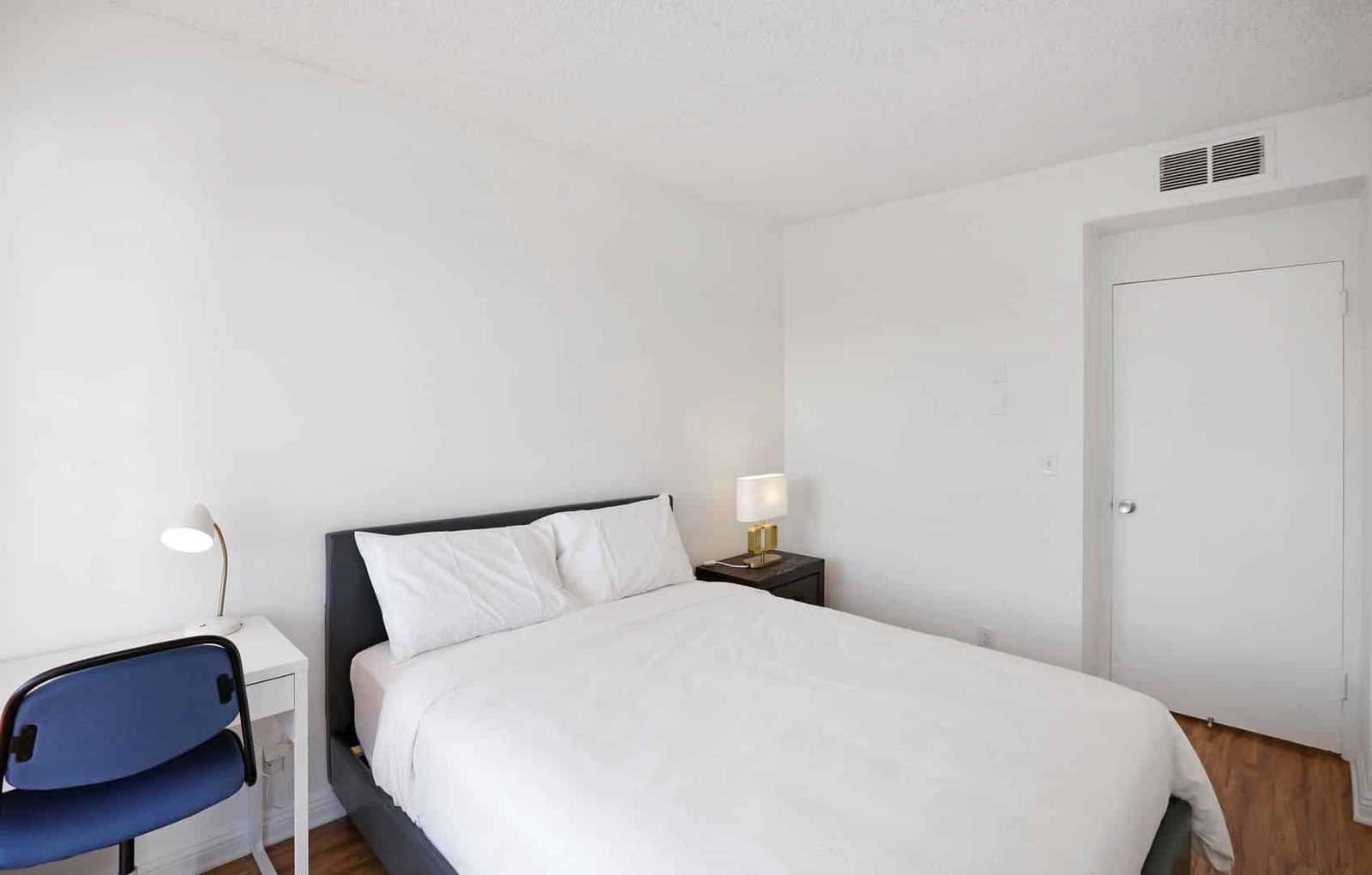
Housing costs in Stockholm vary widely. Below are typical monthly rent ranges as of 2026. All prices are indicative — confirm with the operator.
-
Low budget (shared or corridor room): 4,000–6,500 SEK per month. This usually means a room in a student corridor (dormitory with shared kitchen) or a shared apartment. You often share bathroom facilities. Examples: SSSB (Stockholm Student Housing) corridors in places like Lappis or Kungsholmen. These are highly competitive and allocated through queues.
-
Medium budget (studio or 1-room apartment): 7,000–10,000 SEK per month. Independent studios with own kitchenette and bathroom. Many are located in private student housing companies (e.g., ByggVesta, KlaraBo) or newly built complexes. Some are within walking distance of KTH.
-
High budget (1-bedroom apartment or larger): 10,000–15,000+ SEK per month. Often a full one-bedroom apartment in central Stockholm. Suitable for couples or those wanting more space. Availability is limited and usually require first-hand contracts or subletting.
Note: Most student housing in Sweden is unfurnished. You may need to budget for furniture (IKEA is popular). Some operators offer fully furnished options at a premium.
Walk vs Transit: Deciding Where to Live
KTH’s main campus sits near the Tekniska högskolan metro station (red line). That station puts you within 10 minutes of central Stockholm (T-Centralen) and connects easily to most suburbs. Walking time from the station to the main building is under 5 minutes.
Walkable distance (≤15 minutes on foot): Neighbourhoods like Östermalm, Gärdet, and parts of Norra Djurgården. Walking to campus gives you flexibility, no monthly transport pass cost (around 1,000 SEK for students), and you can enjoy the parks. Rents in Östermalm tend to be higher (the high budget band). Gärdet has more student corridors and slightly lower prices. The campus’s green surroundings are a bonus for walkers.
Transit-dependent (20–40 minutes by metro/bus): Areas like Lappis (Lappkärrsberget on the red line, about 15 minutes by bike or 20 by bus), Kungsholmen (blue line, 15–20 minutes), or suburbs like Alvik, Årsta, and Solna. These areas often have more affordable student housing (low to medium budget). The monthly student SL card (unlimited travel in Stockholm) costs 1,000 SEK, which adds to your budget but is often still cheaper than central high rents.
Bike option: Stockholm is bikeable but has hills and cobblestones in some areas. Many students bike from Lappis (15 minutes) or Södermalm (20 minutes). Bicycle parking at KTH is plentiful.
Shortlisting logic: Your choice depends on the trade-off between rent, commute time, and social life. If you want to be close to campus and can afford 8,000–10,000 SEK, look at Östermalm and Gärdet. If you prefer lower rent and don’t mind a 30-minute commute, consider areas farther out on the red or blue metro lines. Check the queue time for SSSB – the earlier you register, the better your chances.
Shortlisting Your Housing Options (Using the Given Nearby Area Logic)
Although this article cannot list specific residences (no external domains or brand names), the shortlisting process relies on the same data from KTH’s location:
-
Proximity to Tekniska högskolan station: Any housing within 1 km of that station is highly walkable. Use Google Maps to find apartments in the postal code 114 (Östermalm). Typical options include modern student towers (e.g., the ones near Valhallavägen) and older corridor rooms on Drottning Kristinas väg.
-
Along the red metro line: Look at stations between Mörby centrum (north) and T-Centralen (south). Areas like Danderyd, Ropsten, and Karlaplan have student housing. The red line runs frequently and you can be at campus within 10–20 minutes.
-
Student housing queues: Join SSSB (Stiftelsen Stockholms Studentbostäder) as early as possible – they manage the largest stock of student rooms in Stockholm. Priority is given to those with the longest queue time (days since registration). Many rooms require a minimum queue time of 6–12 months for central areas. Other operators include Svenska Bostäder (students can rent through their youth housing program) and Stockholmshem (general rental housing, less common for students).
-
Subletting and private rentals: Short-term options via online platforms (not named here) or through your university’s housing office. Be cautious of scams – never pay deposit without a signed contract. Typical sublet rents are higher (often 10,000–12,000 SEK for a studio in central Stockholm).
-
Shared apartments: Often cheaper than studios, but require finding flatmates. Use KTH’s internal notice boards (not third-party websites) or Facebook groups for KTH students. Be prepared to interview with current tenants.
Review-based insight: The calm and green campus atmosphere (as noted by Wanderlust) suggests that if you live in Östermalm or Gärdet, you can enjoy that same environment on weekends. Conversely, the negative review about rowdy student behaviour when eating out implies that areas with many bars and restaurants (e.g., Södermalm, Odenplan) might be louder on weekend nights.
Frequently Asked Questions (2026)
1. When should I start looking for housing near KTH? Begin at least 6–9 months before your orientation. The queue for SSSB opens on your 18th birthday (or when you create an account). Many European students start queuing from the moment they apply. For subletting, 2–3 months ahead is typical, but demand spikes in August and January.
2. What is the typical rent for a student corridor room within 15 minutes of campus? Indicative prices: a corridor room (shared kitchen) in Östermalm or Gärdet ranges from 5,000–6,500 SEK per month (indicative — confirm with the operator). Private studios in the same area range from 8,000–10,500 SEK per month. These prices include heating, water, and sometimes internet.
3. What should I check before signing a rental contract in Stockholm?
- Confirm the contract type (first-hand, second-hand, or student sublet). First-hand contracts offer the best stability but longest queues.
- Ask about notice period (usually 1–3 months for the tenant).
- Check whether furniture is included – many student apartments are unfurnished.
- Verify that the address is covered by the student SL card zone (if you plan to use transit). Most student housing is within Stockholm County (SL A–C zones).
- Read the review from “Milena Morales” and note that shopping for discounted clothing is possible in areas with budget stores – if that matters to you, look for neighbourhoods with affordable shopping.
Data as of 2026. All rental prices are indicative and may change. Always confirm with the housing operator or landlord before signing.
See also: listing details · browse more