What Campus Reviews Reveal
Keio University’s Mita Campus in central Tokyo receives a Google rating of 4.2 from 889 reviews, with many students and visitors highlighting the atmosphere and history. A review from a conference attendee notes: “I had a chance to attend the 学会here. Beautiful university with nice atmosphere. The staffs are all nice, especially security staffs are very kind and helpful.” Another student, who admits bias, focuses on the campus architecture: “As a student here my opinion is very biased, so let’s just talk about the architecture of Mita Campus. It is old, dating back to 1860s, if not older. The campus has been through several renovations, and unfortunately almost all of the original structures are gone. Except for Mita Enzetsukan and a hu” (the comment is truncated in the original source). A longer-term perspective comes from a reviewer who calls it “One of the best University in Japan, has a profound history with Japan modernization figure, Fukuzawa sensei.” A fourth reviewer simply remarks: “beautiful campus, in the middle of Tokyo. within walking distance to the Tokyo Tower.”
These mixed impressions — a liveable, historic campus with good service — reinforce that students prioritise a location that is both walkable to class and connected to the rest of Tokyo. Proximity to Tokyo Tower also means the area around Mita and the neighbouring Shiba Park is pleasant for walking and cycling.
City Context: Tokyo’s Minato Ward and Student Life
Keio University’s main campus sits in Minato, one of Tokyo’s 23 special wards, known for corporate headquarters, embassies, and upscale residential areas. The immediate neighbourhood — Mita, Shiba, and Hamamatsuchō — blends older buildings with new high-rises. While Minato has a reputation for high rents, students can find reasonable accommodation by moving a few subway stops away or by sharing a larger apartment.
The university is served by several train lines: Toei Mita Line (Mita Station), JR Yamanote Line (Tamachi Station, a 5–10 minute walk), and Toei Asakusa Line (also Mita Station). Commute times to central business districts like Shinjuku or Shibuya are about 20–30 minutes. The area has supermarkets, convenience stores, and casual eateries; for a bigger selection of affordable restaurants, students often walk to Tamachi.
Budget Bands (Indicative — Confirm with the Operator)
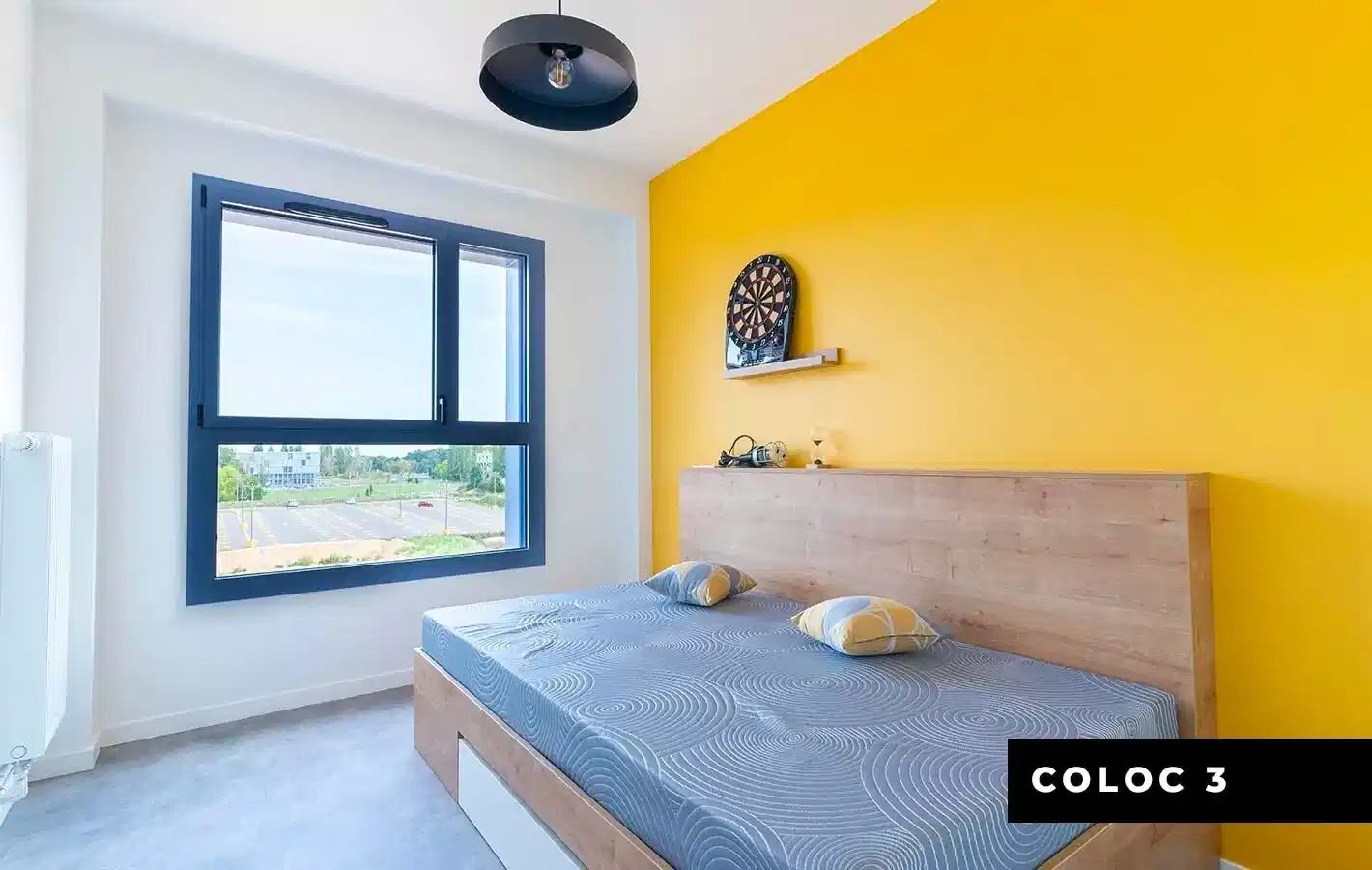
Monthly rent for a private studio near Mita Campus typically ranges from ¥80,000 to ¥130,000 for a 20–30 m² unit in a newer building. Older apartments (often in 30-year-old buildings) can start at ¥65,000. Shared apartments or guest houses may cost ¥50,000–¥80,000 per person, including utilities. Dormitory-style rooms, if available through the university or private dorm operators, can be between ¥60,000 and ¥90,000.
Keep in mind that rents in Minato are above the Tokyo average. Budget-conscious students often look in wards like Shinagawa, Meguro, or Taito, where a similar unit may cost 15–20% less, and commute time increases by 10–15 minutes. Always check the exact location on a map and confirm current rates directly with the landlord or operator.
Walk vs. Transit Trade-off
The Mita Campus is compact, so living within a 10–15 minute walk means you can attend classes, use the library, and join club activities without transit costs. However, the immediate area has limited affordable housing stock. Many students choose to live along the Toei Mita Line or JR Yamanote Line.
Walk (≤15 min): Ideal if you value time and convenience. Rent tends to be higher, but you save ¥10,000–¥15,000 per month on commuting. Popular walkable sub-neighbourhoods: Mita itself, Shiba, and parts of Shinbashi (west side). Note that some areas have steep hills.
Transit (16–40 min): Expands options significantly. Stations like Meguro (9 min by train), Yotsuya (10 min), or even Shinagawa (6 min) give access to newer apartments at lower rents. The trade-off is crowding on the Yamanote Line during peak hours and a monthly pass costing ¥5,000–¥10,000.
Cycling: A common student choice in Tokyo. A 15–20 minute cycle radius covers many affordable areas in Minato and Shinagawa. Bicycle parking on campus may be limited; ask the university for rules.
Shortlist Logic Using Nearby Residences
Because the dataset does not include specific residence names, the shortlist logic below offers a general framework. Apply it to any apartment or dorm you consider.
-
Distance to campus (walk time): Filter by ≤15 min walk for priority. Use Google Maps walking time from the apartment entrance to the main gate (not the station). Accept 20 min if rent is significantly lower.
-
Budget vs. room type: Set a hard upper limit (e.g., ¥90,000 for a single room). For that price in the walk belt, you will likely find a 1R (one room with kitchenette) or a 1K (one room plus separate kitchen). For ¥70,000, you may only get a share house or a very old unit.
-
Utilities and move-in costs: Confirm whether rent includes water and gas (often not). Also ask about key money, deposit, and agency fee — these can equal 3–5 months’ rent upfront.
-
Noise and building quality: Check reviews on general housing platforms (do not name specific websites). Older wooden apartments near train tracks may be noisy; newer concrete buildings are quieter.
-
Supermarket and laundry: A 7-11 is fine for snacks, but for daily groceries, a supermarket within 5 min walk saves money and time. Coin laundry in the building (or within 2 min walk) is essential for small units without a washing machine.
-
Roommate option: If your budget is under ¥70,000, consider a 2-bedroom share with a fellow Keio student. This can halve rent but requires compatible schedules.
-
Lease length: Most Tokyo leases are 2 years. Short-term (1–6 months) options exist in share houses or serviced apartments but at a premium.
FAQ
How much does a typical student apartment near Keio University cost?
Indicative monthly rent for a private studio within 15 minutes’ walk of Mita Campus is between ¥80,000 and ¥130,000. Shared rooms or guest houses start at ¥50,000. These figures are indicative — confirm with the operator before signing any contract.
Which train stations are closest to Keio Mita Campus?
The main stations are Mita (Toei Mita Line, Toei Asakusa Line) and Tamachi (JR Yamanote Line). Both are about a 5–10 minute walk from the main gate. The campus is also a 15–20 minute walk from Hamamatsuchō and Daimon stations.
Should I live in a dorm or a private apartment?
Private apartments offer more independence and often better soundproofing, but require a guarantor and upfront costs (key money, deposit). Dorms (university-managed or private) are simpler to move into and include utilities, but have shared facilities and stricter rules. Compare total monthly cost — dorms may seem cheaper but check if meals, internet, and cleaning are included.
Data as of March 2026. Prices are indicative and should be confirmed directly with the housing operator. University ranking: QS World University Rankings 2026, #215. Campus address: 2-chōme-15-45 Mita, Minato City, Tokyo 108-0073, Japan.
See also: listing details · browse more