What Campus Reviews Reveal About Life at JUST
Current and former students describe Jordan University of Science and Technology (JUST) as a spacious, green campus with modern facilities. A review by Nour notes: “It was my first time visiting this university, let’s start with how green it is, super spacious and clean! As a governmental university this one is the top in Jordan, the bathrooms are clean, the rooms and labs are organised, trees and plants everywhere. Many cafeterias present in there.” This points to a well-maintained environment where daily life can be comfortable, but also hints that campus life is largely self-contained – students spend most of their time on the university grounds.
Ahmad Maswadeh adds a specific reservation: “One big problem in this university is the food issue …” While the comment cuts off, the implication is clear: onsite meal options may be limited or repetitive. For students living off campus, access to home cooking or nearby restaurants becomes more important. Mutaz AL Darabseh confirms the university’s strong reputation: “JUST is a leading university in Jordan. It’s ranked the top in the fields of medicine, engineering, and other subjects.” This academic focus means many students prioritise study-friendly accommodation – quiet, affordable, and close enough to minimise commute time.
These reviews collectively suggest that the student housing search should consider: (1) proximity to cafeterias or alternative food sources, (2) quiet study spaces, and (3) reliable transport or walkable routes to campus. The campus itself is large, so interior walking distances are already part of daily life; any off-campus housing should not add excessive extra travel.
City Context: Irbid as a Student City
Irbid is Jordan’s second-largest urban centre, located about 80 km north of Amman. It serves as a regional hub for education, with JUST alone attracting thousands of students from across Jordan and neighbouring countries. The city has a lower cost of living compared to the capital, which benefits students on tight budgets. However, the university is situated on the northern outskirts of Irbid, roughly 15–20 km from the city centre. This means that “living near JUST” often implies choosing between two broad zones: the immediate university vicinity (a cluster of purpose-built student housing and small shops) and the more established residential areas of Irbid city.
Public transport options include shared taxis (servees) and minibuses that run along the main road connecting the university to the city centre. Walking from the city centre to campus is not practical – the distance is too long. Within a 1–2 km radius of JUST, you will find a mix of apartment buildings and small studio flats, many marketed specifically to students. Irbid’s overall rental market is relatively informal; most contracts are arranged directly with landlords or through local agents, and prices are quoted in Jordanian dinars (JOD).
Because the university is largely self-contained (with its own sports facilities, clinics, and multiple cafeterias), many students find they only need to leave campus for weekly groceries, social activities, or to visit the city centre. The trade-off on location is therefore between the convenience of a 5–10 minute walk to class (paying a premium for the university gate area) and lower rent combined with a 15–30 minute commute from the city proper.
Budget Bands for Student Housing
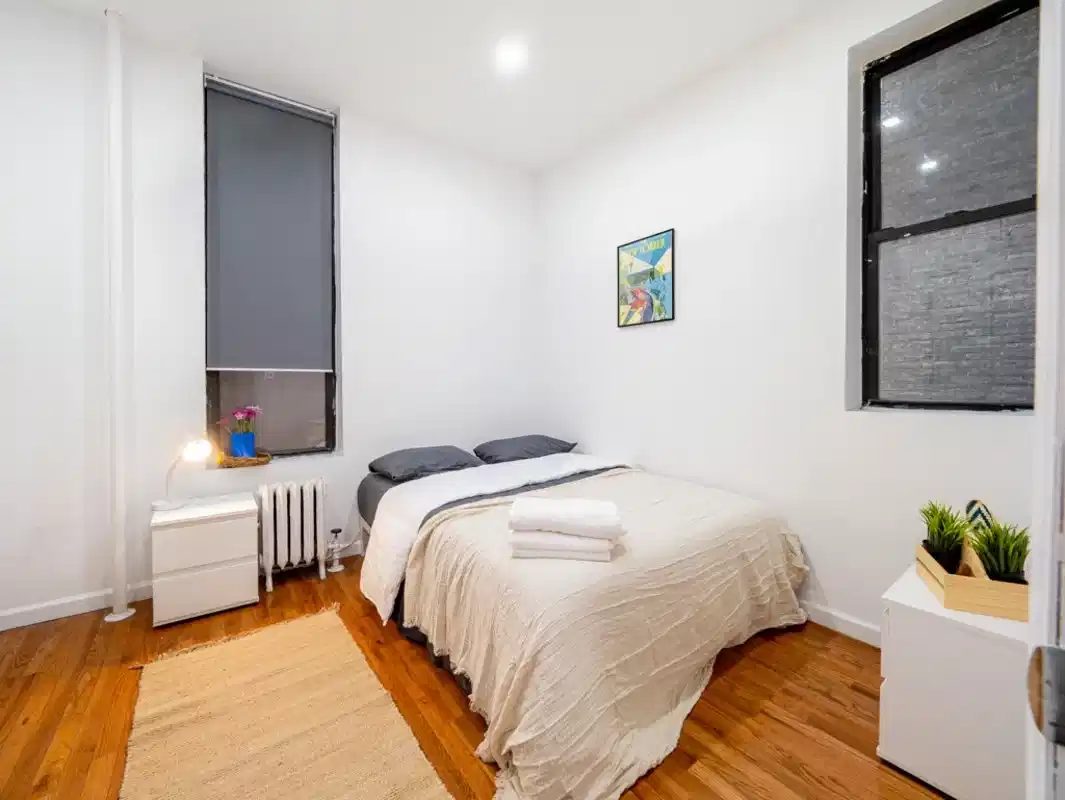
Rental figures vary significantly depending on the distance from campus, the condition of the building, and whether the unit is furnished or shared. The following bands are indicative – confirm with the operator before signing any agreement.
-
Economy / Shared: Basic, unfurnished rooms in shared apartments located 2–3 km from the university gate. Utilities are often split among tenants. This option suits students who prioritise low cost and are comfortable with a short bus ride. Typical lease terms run from 6 to 12 months.
-
Mid-range: Furnished studio or one-bedroom flats within a 1 km radius of JUST. These units usually include a kitchenette, a separate bathroom, and basic furniture. Air conditioning and heating may be extra. This is the most popular choice among international students who want independence without breaking the bank.
-
Premium: Newer, fully furnished apartments with private entrance, reliable internet, and sometimes a small balcony. They are located within a 5-minute walk of the campus perimeter. Utilities (water, electricity, and sometimes gas) are often included in the rent. This band appeals to medical and engineering students who have long lab hours and want to minimise commute time.
Always ask the operator or landlord for a written breakdown of what is included. Some properties require a security deposit of one month’s rent, and contracts may specify an annual renewal or a fixed end date. Because the market is not heavily regulated, it is wise to visit the unit in person before paying anything – the reviews of JUST’s campus mention cleanliness and organisation, but off-campus quality can vary widely.
Walk vs. Transit: Trade-Offs
For students who choose to live within a 15-minute walk of the university, the main benefit is time saved – you can return to your room between lectures, avoid morning traffic, and have easy access to the university’s library and labs during late hours. The campus is large, so even if you live near the north gate, you might still need 10 minutes to walk to your faculty building. But overall, walkable accommodation eliminates daily transport costs and the uncertainty of shared taxis.
The trade-off is higher rent and often less neighbourhood character. The immediate vicinity of JUST has few amenities beyond small convenience stores, a couple of cheap eateries, and the occasional phone repair shop. For entertainment (cinemas, larger supermarkets, restaurants with variety) you need to travel to Irbid city centre, which requires a shared taxi or a bus ride of 15–25 minutes.
If you opt for housing in the city centre, you gain a more vibrant environment, better food choices, and lower rent. The commute to JUST takes about 20–30 minutes by shared taxi (cost about 0.5 JOD per ride). The main disadvantage is that class schedules can be unpredictable; if you have a 3-hour gap, returning home is impractical. Commuters often spend their free time on campus anyway, so the “walk” option offers more flexibility.
For students who rely on public transport, early morning (7–8 AM) and late afternoon (4–5 PM) are peak hours when shared taxis are crowded. Some students form carpool groups. The university also operates a limited shuttle service for staff, but students generally use the public system. In summary: if your budget is tight and you enjoy city life, commute from Irbid. If your priority is study efficiency and you can afford a higher rent, live within walking distance of JUST.
Shortlist Logic for Finding Accommodation
Given what the reviews reveal about campus life, the following decision factors can help you build a shortlist of housing options:
-
Distance to your faculty: JUST spans a large area, with different gates. Check which gate is closest to your department (e.g., medical students often use the south gate). List only apartments that are within 10 minutes’ walk from that gate.
-
Food access: Since reviews mention that the campus food situation may not satisfy everyone, prioritise units with a usable kitchen. If the apartment is near a small grocery – even better. Avoid relying solely on campus cafeterias.
-
Noise and study environment: Look for buildings that are not directly on the main road. Ask current tenants about noise levels at night. JUST reviews highlight the campus as calm and green; your accommodation should offer a similar atmosphere.
-
Contract flexibility: Many landlords in Irbid prefer 12-month contracts, but you can often negotiate to 9 or 10 months to match the academic year. Confirm the notice period for leaving early if you defer or graduate mid-year.
-
Utilities included: Some apartments add electricity, water, and internet to the rent. In others you pay separately. For budgeting, request an average monthly bill from the previous tenant. Use the phrase “indicative – confirm with the operator” when discussing any price.
Because no specific nearby residences are listed in the given data, you should approach the market with these criteria and visit at least three properties before deciding. Take the university’s own facility quality as a benchmark – if a unit looks poorly maintained, it will likely affect your living experience negatively.
Frequently Asked Questions
1. Is it better to live on campus or off campus?
JUST offers limited on-campus housing for students, primarily for international and early-year students. On-campus accommodation is convenient for immediate access to facilities, but it often comes with waiting lists and strict rules (curfew, visitor policies). For most students, off-campus housing provides more freedom, quieter study space, and often lower cost – especially if shared. Compare the total all-in cost (rent, utilities, transport) with on-campus fees before deciding.
2. How do I find a reliable rental property near JUST?
The most common method is to walk around the streets within 1 km of the university – many buildings display “For Rent” signs with phone numbers. You can also ask senior students in your department; they often know which landlords are fair. Avoid paying any deposit without seeing the unit in person and signing a simple written agreement. Do not use third-party websites that charge a listing fee; the local market operates on direct contact.
3. What should I check before signing a lease?
Inspect water pressure, availability of hot water, and the condition of electrical outlets. Ask about internet connectivity (cable or fibre) – mobile data can be expensive for heavy use. Confirm whether the apartment has a heater or air conditioner and whether those are included in the rent. Most importantly, write down the exact monthly rent, the deposit amount, and the duration of the contract on a document signed by both parties. Keep a copy.
Data updated: March 2026. All rental figures are indicative – confirm with the operator before any commitment.
See also: listing details · browse more