What Campus Reviews Reveal About Student Life at IIT BHU Varanasi
Online reviews give prospective students a firsthand look at what it is like to study and live at IIT BHU Varanasi. The institute holds a Google rating of 4.7 out of 5 from 665 reviews, reflecting strong overall satisfaction. Below are verbatim excerpts from recent reviewers that highlight key aspects of the campus environment.
HARSHIT ANAND (5 stars, 2 months ago) wrote:
“I recently visited the campus of IIT (BHU) Varanasi for my MTech interview, and the overall experience was very positive. The campus has a well maintained green environment that creates a calm and focused academic atmosphere. The infrastructure is solid, and the overall layout feels both spacious an[d] …”
Shovan Ghorai (4 stars, 3 weeks ago) commented:
“IIT BHU, Varanasi is one of the oldest engineering college in India. It became an IIT in 2012 and is now a very reputed institute. The campus is big and greenary about 1,300 acres, after IIT Khargapur and it is near the river Ganges. It offers many courses like B.Tech, M.Tech, MBA, M.Pharm, and Ph.D.”
Gour Krishna Dey (5 stars, 3 months ago) noted:
“Visiting the IIT BHU campus is like stepping into an entirely different world compared to the rest of the city. Spanning a massive area, the campus is a beautifully landscaped sanctuary of greenery and intellectual energy. For anyone interested in architecture or education, you can wander through th[e] …”
Rishabh Mishra (5 stars, 2 months ago) shared:
“My friend studies at IIT BHU, and it is truly one of the best colleges. The campus is located in a very nice area and has a great academic environment. It offers excellent opportunities for students to grow, learn, and build a bright future.”
These reviews consistently highlight three themes: the campus is large (about 1,300 acres) and well-maintained, it provides a peaceful academic atmosphere distinct from the city outside, and the infrastructure supports a range of academic programs. For anyone looking for housing near IIT BHU, understanding this campus character is essential — it influences where and how you might choose to live.
City Context: Varanasi’s Student Landscape
Varanasi, one of the world’s oldest inhabited cities, is a major cultural and religious hub in Uttar Pradesh, India. The city attracts thousands of students each year, primarily to IIT BHU, Banaras Hindu University (BHU), and several other colleges. The general urban environment is dense, busy, and sometimes chaotic, especially in central areas like Assi Ghat, Dashashwamedh Ghat, and the old city lanes. Pollution, traffic, and noise can be significant in those zones.
However, the IIT BHU campus is located within the BHU university campus area, on the southern edge of the city near the river Ganges. The immediate neighbourhood — known as the BHU campus area, including sectors like Lanka, Bhelupur, and Rameshwar — is comparatively quieter, greener, and more student-oriented. The address is: IIT-BHU, Hindu University Campus, Varanasi, Uttar Pradesh 221005, India.
Public transport options in Varanasi include auto-rickshaws, cycle-rickshaws, and city buses. The nearest railway station is Varanasi Junction (about 8 km away), and Lal Bahadur Shastri International Airport is roughly 30 km from campus. Most students rely on auto-rickshaws or shared vans for commuting beyond walking distance.
The cost of living in Varanasi is moderate by Indian standards, but it varies significantly between the campus area and the more congested older parts of the city. For students, the primary trade-off is between proximity to the academic zone (which offers more green space and shorter commutes) and lower rents in locations further away.
Budget Bands for Student Housing (2026–2027)
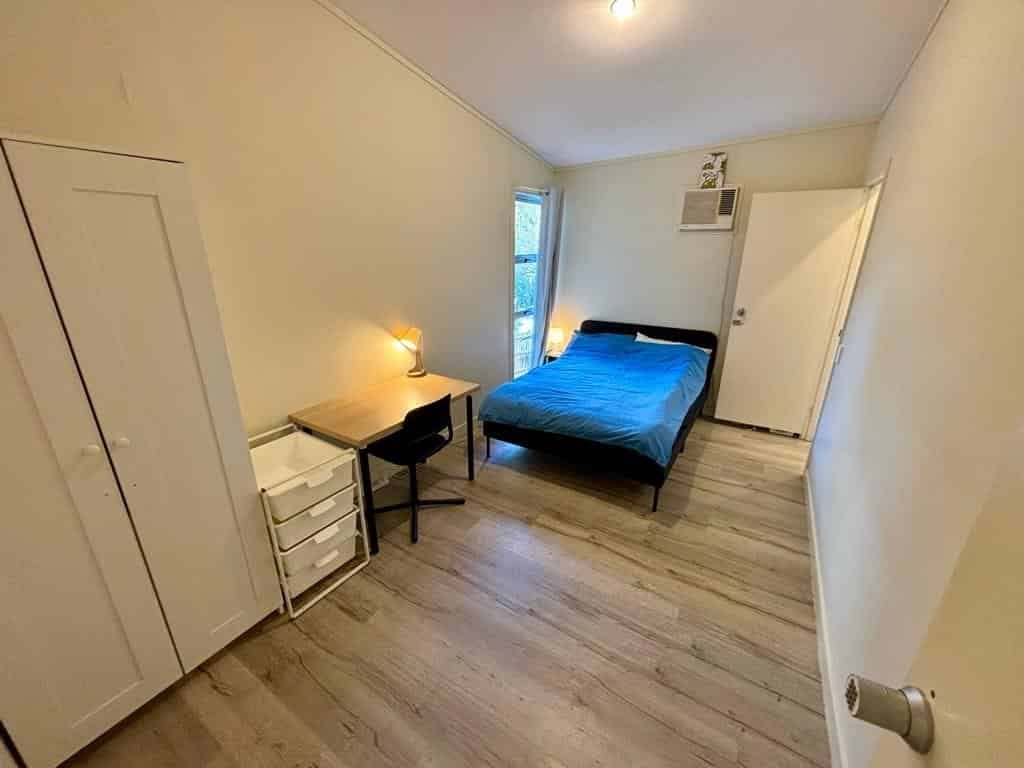
Housing options near IIT BHU Varanasi can be broadly divided into three budget ranges. All figures are indicative — confirm with the operator and reflect monthly rent per person.
- Low budget (INR 3,000–6,000 per month): Shared rooms in paying guest (PG) accommodations or shared flats, typically in areas like Lanka, Bhelupur, or Rameshwar. These often include basic furniture, shared kitchen, and sometimes meals. Expect more basic amenities and possibly shared bathrooms.
- Mid budget (INR 6,000–12,000 per month): Single occupancy rooms in PG accommodations, shared 2BHK apartments, or small studio units within 2–3 km of campus. These usually offer private washrooms, occasional housekeeping, and better maintenance. Some include Wi-Fi or electricity in the rent.
- High budget (INR 12,000–20,000 per month): Fully furnished 1BHK or 2BHK apartments with attached bathrooms, kitchen, and higher-quality furnishings. Locations within walking distance of the IIT BHU gate (e.g., near the Vishwanath Temple or along the main campus road) command higher rents. Larger family apartments for groups can go up to INR 25,000.
Note that many landlords prefer long-term contracts (6 to 12 months). Short-term rentals (semester-wise) may be available but often come with a premium. Always verify whether utilities (electricity, water, internet) are included or charged separately.
Walk vs Transit Trade-Off: Getting to Campus
The 1,300-acre IIT BHU campus is self-contained with its own hostels for enrolled students, but off-campus living is common among MTech, PhD, and some older undergraduate students. The main entrance gates are located along the BHU campus ring road.
Walking distance (up to 1.5 km): Areas such as the BHU Teacher’s Colony, parts of Lanka, and the immediate surroundings of the Vishwanath Temple compound are within a 10–20 minute walk to academic buildings. Rents in these zones tend to sit in the mid-to-high budget range. The advantage is no daily transport cost and easy access to campus facilities (library, mess, sports grounds). However, these pockets can fill up quickly early in the academic year.
Bicycle or e-scooter distance (1.5–4 km): Many students use bicycles or electric scooters to commute from slightly farther neighbourhoods like Bhelupur, Rameshwar, or even parts of Sigra. These areas offer more housing supply and slightly lower rents. The cycle ride to the IIT BHU gate is 10–25 minutes. Parking inside campus is generally available. A used bicycle costs around INR 2,000–4,000; an e-scooter can be rented or purchased for INR 20,000–50,000.
Transit commute (beyond 4 km): Areas like Assi, Mahmoorganj, or even the Cantonment area are cheaper but require auto-rickshaw or shared van trips of 20–40 minutes. Daily auto fares can add INR 60–120 round trip. Some students pool auto-rickshaws. The trade-off is lower rent (potentially INR 1,000–2,000 less per month) plus extra travel time and cost.
For most students, a walkable or short-cycle commute provides the best balance of convenience and cost. If you prefer a quieter, greener environment, staying within the BHU campus area is recommended. If you want cheaper rent and don’t mind a longer commute, areas further from the river side are viable.
How to Shortlist Your Accommodation: A Practical Logic
Because the university does not provide an official off-campus housing list, you will need to evaluate options yourself. Follow these steps:
-
Define your priorities. Rank the following: monthly rent (including utilities), distance to your lecture block, safety, privacy (single vs. shared), and amenities (Wi-Fi, kitchen, laundry). Use the budget bands above as a starting point.
-
Set your search radius. Start within a 3-kilometre radius of the IIT BHU main gate. Use Google Maps or walk around the campus perimeter — especially along the road connecting Lanka to the BHU main gate. Many accommodations are listed on general classifieds or known through word-of-mouth.
-
Inspect the property in person or via video call. Check for basic safety (locks, windows, fire escape), water supply, electrical wiring, and cleanliness. Ask about the landlord’s rules for guests, curfews, and late arrivals.
-
Verify the lease terms. Most agreements are in Hindi or English. Ensure the rent amount, deposit (usually 2–3 months’ rent), duration, and cancellation policy are clearly stated. Confirm whether electricity and water are metered separately.
-
Talk to current students. Campus forums, student WhatsApp groups, or casual conversations with seniors at IIT BHU can reveal which areas are considered safe and which landlords are reliable. Avoid any accommodation that seems too cheap or has no references.
-
Check the neighbourhood. Visit at different times of day — morning, evening, and night — to judge noise levels, street lighting, and availability of auto-rickshaws or shops for essentials.
This logical approach helps you avoid common pitfalls such as unreliable utilities, hidden fees, or unsafe surroundings. There is no single “best” option; the right choice depends on your individual priorities.
Frequently Asked Questions
1. Is it better to live inside the IIT BHU campus or off-campus?
The institute provides hostels for most enrolled students, especially at the BTech and MTech levels. Living on campus is often cheaper (hostel fees are typically INR 1,500–3,000 per month including basic amenities) and eliminates commute time. However, availability is limited for certain programmes and older students. Off-campus living offers more privacy, freedom for cooking, and a wider choice of rooms. If hostel accommodation is not available, off-campus is the only option. Compare hostel costs (very low but shared) with off-campus rents before deciding.
2. What is the average monthly cost for student housing near IIT BHU Varanasi?
For a single room in a PG or shared flat within walking distance (Lanka, Bhelupur), rent typically ranges from INR 6,000–12,000 per month including basic utilities. A shared room can be as low as INR 3,000–5,000. A self-contained 1BHK apartment near campus costs INR 10,000–18,000. All figures are indicative — confirm with the operator. Add monthly expenses for food (INR 3,000–6,000 if eating out or mess), transport (INR 0 if walking, INR 500–1,500 if using auto or e-scooter), and internet (INR 300–600).
3. How do I find safe and reliable accommodation around IIT BHU?
Start by asking current students for recommendations. Many landlords are known through the student grapevine. You can also walk through the Lanka and Bhelupur areas and look for “To Let” signs. Avoid paying large deposits (more than 2–3 months’ rent) upfront. If possible, have a local friend help you read the contract in Hindi. For safety, choose a property with secure locks, good lighting on the approach road, and neighbours who are known to the landlord. Avoid isolated lanes, especially at night. Trust your instincts — if the area feels unsafe during a daytime visit, it will likely feel worse at night.
Data compiled as of 2026. All prices mentioned are indicative — confirm with the operator before making any commitments.
See also: listing details · browse more