What Georgetown University Reviews Reveal
Georgetown University’s Google rating of 4.6 (from 1,362 reviews) reflects broad satisfaction, but the comment threads reveal practical details that matter for housing. One reviewer, Gwendolyn Slates, noted: “It seems like a good university. However, I applied and got accepted for the fall semester and they wanted me to pick classes for the summer semester. Secondly, I submitted my high school transcript when I applied, but they keep saying I didn’t submit it. Finally, out of state tuition is almost $70K.” This points to high costs even before rent – tuition alone can exceed $70,000 for out-of-state students, so housing budgets must be realistic.
On the campus itself, KGQ NYC wrote: “This review is on the campus and walkability of Georgetown University, not the academics, which are indisputably excellent. That said, the campus is a bit worn and in need of some renovations. It’s on a hill so you will get your exercise if you walk here. The buildings are almost all brick with forg…” The hill and “a bit worn” character hint that older buildings near campus may also show wear – and that walking requires stamina. James M added: “Beautiful campus well maintained. Although old it still has many modern buildings and they are always improving. Lots of history there. No subway stop at the campus but nonetheless is worth going over there. Campus bookstore is huge.” The missing subway is a key trade-off: students rely on buses, walking, or driving. A tourist, Alex Kolkena, said: “For the record, I didn’t go to school here, but I’ve only heard good things. From a tourist’s perspective, there’s plenty of neat architecture on campus. It’s in one of the older sections of Washington DC, so definitely worth checking out.” The “older section” tag suggests historic neighborhoods, which often come with higher rents and limited modern amenities.
Bottom line from reviews: Georgetown University’s location in historic Washington, DC offers charm but demands a good pair of walking shoes, a reliable bus schedule, and a realistic budget that accounts for high tuition plus rent.
City Context: Washington, DC
Georgetown is nestled in the northwest quadrant of Washington, DC, one of the wealthiest and most historic parts of the city. The university sits at 3700 O St NW, within the Georgetown neighborhood – a mix of Federal-style rowhouses, cobblestone streets, and high-end boutiques. DC’s overall cost of living ranks among the highest in the United States, and the Georgetown area is particularly expensive.
Public transit is run by the Washington Metropolitan Area Transit Authority (WMATA). The nearest Metrorail station is Rosslyn (on the Orange, Silver, and Blue lines), about a 15–20 minute walk across the Key Bridge, or you can take a bus. Many students use the GUTS bus (Georgetown University Transportation Shuttle), which runs free routes to Dupont Circle, the medical center, and other campus points. Off-campus, the DC Circulator and Metrobus lines 31, 32, 36, and D6 serve Wisconsin Avenue and M Street.
Rent prices in DC for 2026: a one-bedroom apartment in Northwest DC typically ranges from $1,800 to $2,800 per month (indicative – confirm with the operator). Studio units start around $1,500. Shared rooms can be found for $1,000–$1,400 per person. Due to the university’s limited on-campus housing (mainly for first-year and some upperclassmen), the majority of undergraduate and graduate students live off-campus, often in neighborhoods like Glover Park, Burleith, Foxhall, West End, or further into Foggy Bottom and Dupont Circle.
Budget Bands for Off‑Campus Housing
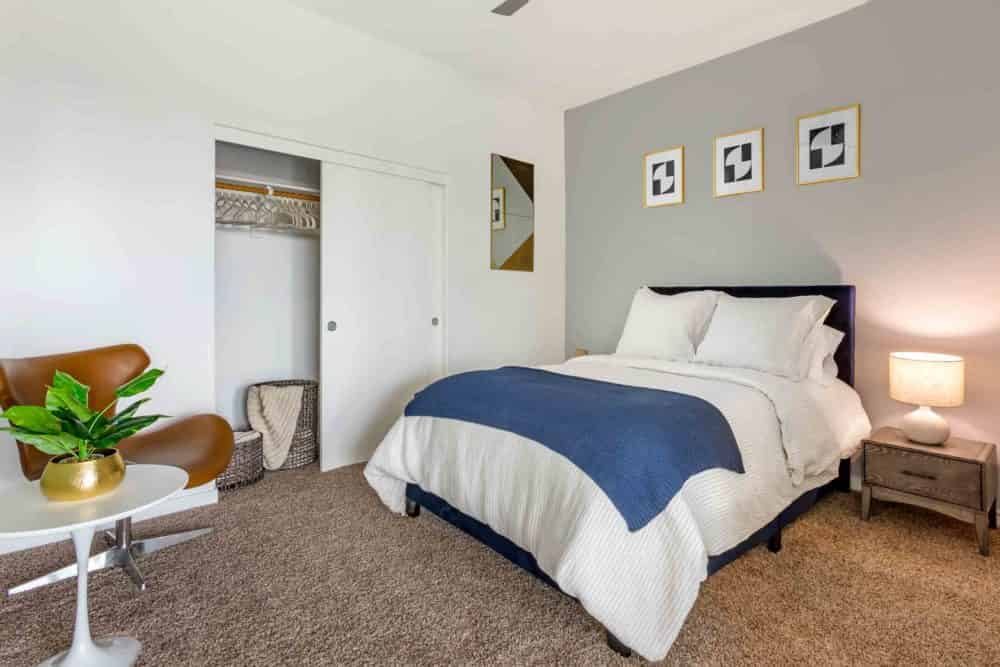
Below are typical monthly rent ranges for different housing types near Georgetown University. All prices are indicative – confirm with the operator, as actual rates depend on lease terms, season, and unit condition.
-
Budget / Shared Room – $1,000–$1,400 per person
Three- or four-bedroom houses or apartments in Burleith or Glover Park. Often older buildings with shared kitchens and bathrooms. Walking distance to campus (10–20 minutes). -
Mid‑Range Studio / 1‑Bedroom – $1,600–$2,200
Studios or one-bedroom apartments in the West End or Foxhall. Typically a short bus ride or 20–25 minute walk. Newer or renovated units may cost more. -
Premium / 1‑Bedroom – $2,300–$2,800+
High‑end studios or one-bedrooms in Georgetown proper, especially on M Street or near the waterfront. Close to shops and restaurants, but parking is scarce and expensive. -
Luxury / 2‑Bedroom – $3,200–$4,500
Two‑bedroom apartments in newer construction like the “Foundry Lofts” or “Georgetown Park” area. Amenities include doorman, gym, and rooftop. Still need a bus or car for daily campus commute.
Most leases begin in August or September, matching the academic calendar. Signing early (February–April) can lock in lower rates.
Walk vs. Transit Trade‑Off
Georgetown’s campus is located at the top of a steep hill. Walking from the main commercial area (M Street / Wisconsin Avenue) to campus involves a climb of about 100 feet in elevation. Many students choose to live in Burleith or Glover Park, which are flat or downhill toward campus, making the walk easier. However, walking from West End or Foggy Bottom requires crossing the Key Bridge (about 20‑25 minutes) or taking a bus.
Walking pros:
- No transit cost.
- Exercise built into daily routine.
- Direct access to campus (10–20 minutes from nearby neighborhoods).
Walking cons:
- Hill can be tiring in summer heat or rain.
- Limited grocery stores within walking distance of some areas.
- Sidewalks may be uneven on older streets.
Transit pros:
- Free GUTS buses run every 10–20 minutes during peak times.
- Metrobus and Circulator connect to Dupont Circle, downtown, and Metro stations.
- Reduced time compared to walking from distant neighborhoods.
Transit cons:
- Buses can be crowded or delayed (especially in winter).
- No subway stop at campus – the nearest Metrorail (Rosslyn) still requires a bus or a long walk.
- Weekend service is less frequent.
Recommendation: If you can afford it, live within 15 minutes walk (Burleith, Glover Park, or the eastern edge of Georgetown) – you gain flexibility and save bus wait time. If budget demands a cheaper area (e.g., Foxhall or West End), plan to rely heavily on GUTS or Metrobus and keep a backup plan for late evenings.
Shortlist Logic for Choosing a Residence
When evaluating specific apartments or houses, consider this priority order tailored to Georgetown’s environment:
- Proximity to GUTS stops or walkable routes. Apartments within three blocks of a GUTS bus line (e.g., along 37th Street, Wisconsin Avenue, or Reservoir Road) reduce commute variability.
- Rent inclusive of utilities. In older buildings, heat and hot water are often included; new luxury units typically bill separately.
- Laundry in-unit or in-building. Laundromats exist but can be inconvenient in winter.
- Security and lighting. Campus is in a safe area, but some side streets are dimly lit. Check street lights and building locks.
- Lease start date flexibility. Many landlords prefer 12‑month leases starting July or August; if you arrive in January, sublets from graduating students are common.
- Pet policy. Many older buildings allow cats; dogs are often restricted.
No single “best” residence fits everyone – your shortlist should reflect your budget, tolerance for walking, and whether you prioritise a quiet house (Glover Park) or a lively commercial strip (M Street).
Frequently Asked Questions
1. Is it necessary to have a car for daily life around Georgetown?
No – many students manage without a car. The campus provides free shuttle service (GUTS) to Dupont Circle and the Law Center, and DC’s bus system covers most neighborhoods. However, if you need to commute to internships outside Northwest DC (e.g., Capitol Hill or Pentagon), a car or a Metro pass becomes helpful. Parking in Georgetown is expensive (street parking permits for residents can cost $50–$100 per year, but garages charge $200–$400 per month). Most students rely on transit and ride‑sharing.
2. What are the safest neighborhoods within a 20‑minute walk from campus?
Burleith, Glover Park, and the area between Wisconsin Avenue and 37th Street (north of M Street) are considered very safe. The adjacent Foxhall neighborhood also has low crime. The university’s Department of Public Safety operates a blue‑light system on campus and a safety escort service after dark. Avoid walking alone late at night on unlit side streets; use GUTS or call the escort (202‑687‑4357). Overall, the area is one of the safest in DC.
3. How far in advance should I start looking for housing for the 2026–2027 academic year?
Begin your search in February or March 2026. Many off‑campus units are listed 4–6 months before the August move‑in. Signing a lease by April or May gives you access to a wider range of options and avoids the scramble in July. Sublets for spring 2027 (January start) are usually listed in October–November 2026. For fall 2026, you can also check the university’s off‑campus housing portal, but note that we cannot endorse any specific listing service.
Data as of February 2026. All rent figures are indicative — confirm with the operator before signing any lease. University rankings and reviews are sourced from publicly available platforms and reflect information at the time of writing.
See also: listing details · browse more